





A 20-page report from the Costs of War project and the World Peace Foundation released on Nov. 19 documents the impact of years of US aid on Mexico’s efforts to curtail cartel violence. The results show little, if any, impact on the drug war.
Aileen Teague of Texas A&M University’s Bush School and Peyton McGuire of Georgia Gwinnett College have examined roughly $3.3 billion in US security and development aid sent to Mexico between 2008 and 2021, most of it through the Mérida Initiative. They conclude that the program failed to reduce violence, trafficking, or corruption, and that it helped lock in a militarized, enforcement-first strategy whose toll resembled national mobilization for a conventional war.
US involvement long predated Mérida. The Drug Enforcement Administration led a joint campaign against drug crops in Sinaloa, Durango, and Chihuahua in the 1970s, yet annual aid through the 1980s and 1990s generally stayed below $100 million.
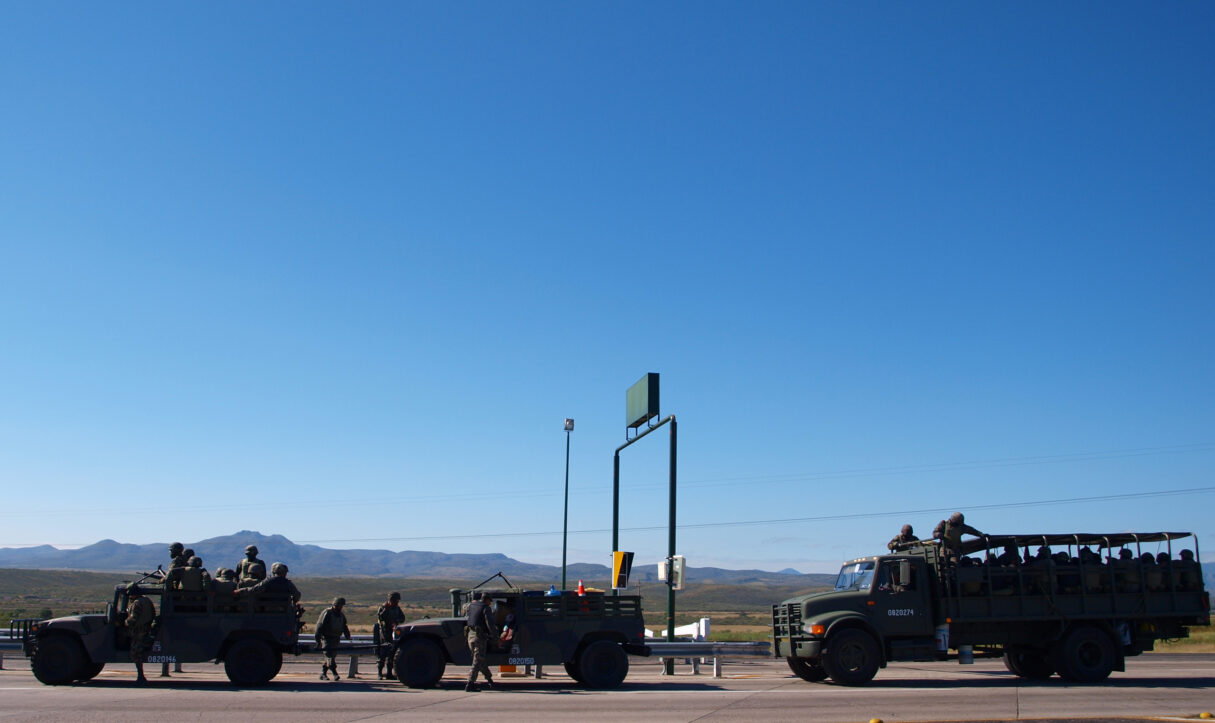
That changed after President Felipe Calderón deployed federal troops in 2006. Congress appropriated $1.5 billion for fiscal years 2008 through 2010, and a 2010 supplemental pushed the total to nearly $1.8 billion. At least $560 million in aircraft and helicopters followed between 2010 and 2017, alongside State Department training and exercises run by US Northern Command. Policymakers pointed to Plan Colombia as the model.
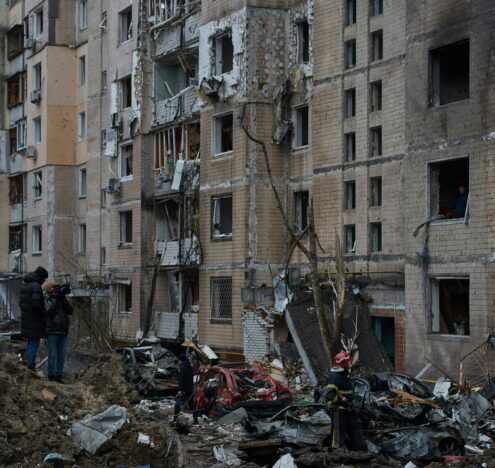
The results in Mexico were grim. Homicide rates more than tripled between 2006 and 2020, and cumulative killings since 2006 passed 460,000. More than 130,000 people were reported missing, a figure officials disputed. Ciudad Juárez alone recorded more than 3,100 murders in 2010. Reported femicides rose 135% between 2015 and 2021. The strategy of capturing or killing cartel leaders, the report finds, splintered organizations and fueled fights among successors rather than dismantling them. By 2022, cartels employed an estimated 160,000 to 185,000 people.
In January, gunmen killed 11 people after a soccer match in the Mexican state of Guanajuato. Around the same time, federal troops deployed to Sinaloa following attacks on state legislators.
The damage reached beyond the death toll. Violence cost Mexico about $192.6 billion in 2021, roughly 14.6% of gross domestic product, and later estimates ran higher. Impunity for violent crime stood near 94.8% that year. Meanwhile, the armed forces grew. Defense spending climbed from under half a percent of GDP in the late 2000s to more than $16 billion by the mid-2020s. President Andrés Manuel López Obrador promised a gentler approach but created a National Guard that topped 100,000 members, most of them drawn from the military.
The report looks north to find the source of the weapons that fuel this violence. More than two-thirds of traced firearms recovered at Mexican crime scenes came from the United States, according to federal data, and an estimated $19 billion to $29 billion in illicit proceeds flowed south each year. American drug demand, the authors argue, sustained the market that the aid was meant to suppress.
The findings have arrived as the Trump administration moves toward deeper military involvement. In February, it designated several Mexican cartels as foreign terrorist organizations, a step the report says has opened avenues for military engagement. The leader of the Jalisco New Generation Cartel was reportedly killed that month with US intelligence support, and violence followed in more than 10 states. President Claudia Sheinbaum, facing tariff threats, transferred imprisoned traffickers and allowed limited drone surveillance. Some policymakers on the right have advocated unilateral strikes across the border.
Teague and McGuire urge a different course. They call for shifting resources from soldiers to civilian police, prosecutors, and independent courts, and for treating US drug demand as a public health problem. They recommend curbing the southbound flow of guns and cash, and they say future cooperation should be judged by transparent, independently evaluated measures rather than tallies of arrests and seizures.
Nearly two decades after Mexico sent its army against the cartels, and after Washington spent billions of dollars to help, the violence looks less like a crime wave than a war without an end.