






In the week leading up to the FIFA World Cup 2026, a convoy of Guardia Nacional — Mexico’s National Guard — moved through the vicinity of the Monterrey Stadium, one of the tournament’s venues. From the back of the trucks, armed personnel watched as residents went about their day.
Lydia Saucedo, who has lived in Monterrey’s La Quinta neighborhood for 15 years, finds the heavy military presence strange, yet she prefers them over the local police. “There’s more respect for the soldiers,” the 47-year-old says.
Mexico has launched Plan Kukulkán, a massive security and intelligence operation designed to ensure safety during the World Cup. The plan includes the deployment of nearly 100,000 security personnel, tactical aircraft, Black Hawk helicopters, and state-of-the-art anti-drone systems.
In Monterrey and Guadalupe, Nuevo León — one of the three host Mexican regions — this strategy will result in an increased military presence within the metropolitan area. Luis Ávila, from the organization Cómo Vamos, explains that in recent years, the bulk of security efforts has relied on the state’s Fuerza Civil (Civil Force) and municipal police, while military and federal authorities have largely remained on the outskirts of the city.
As Mexico’s government pledges robust security, citizens and civil groups denounce the operation as a security spectacle designed to mask the systemic violence gripping the nation.
“This is operating with a logic of exceptionality,” says Gerardo Álvarez, an analyst at the organization Mexico United Against Crime (MUCD by its Spanish acronym). “The World Cup warrants taking security and infrastructure measures that have nothing to do with the daily lives of citizens in Mexico.”
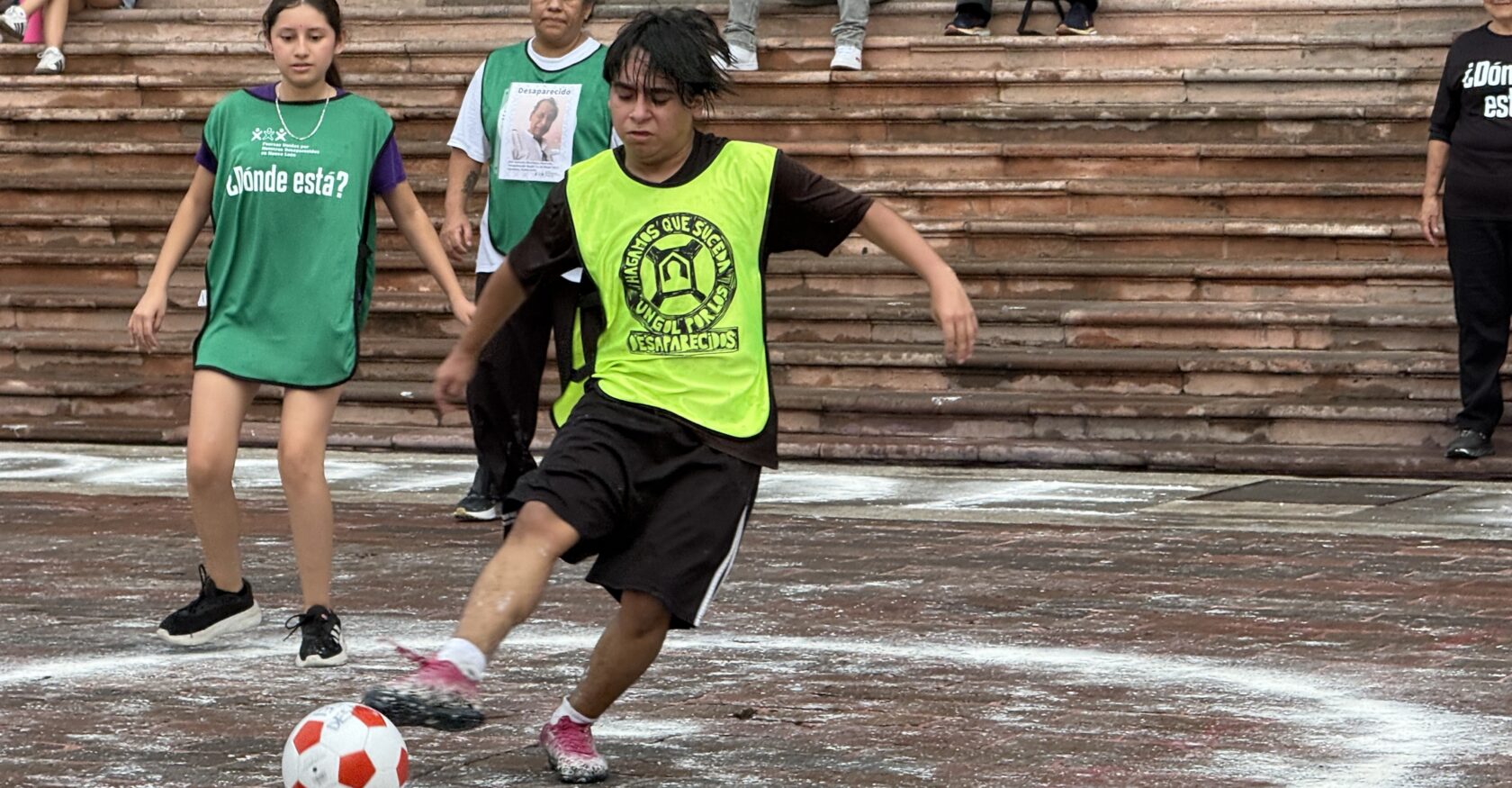
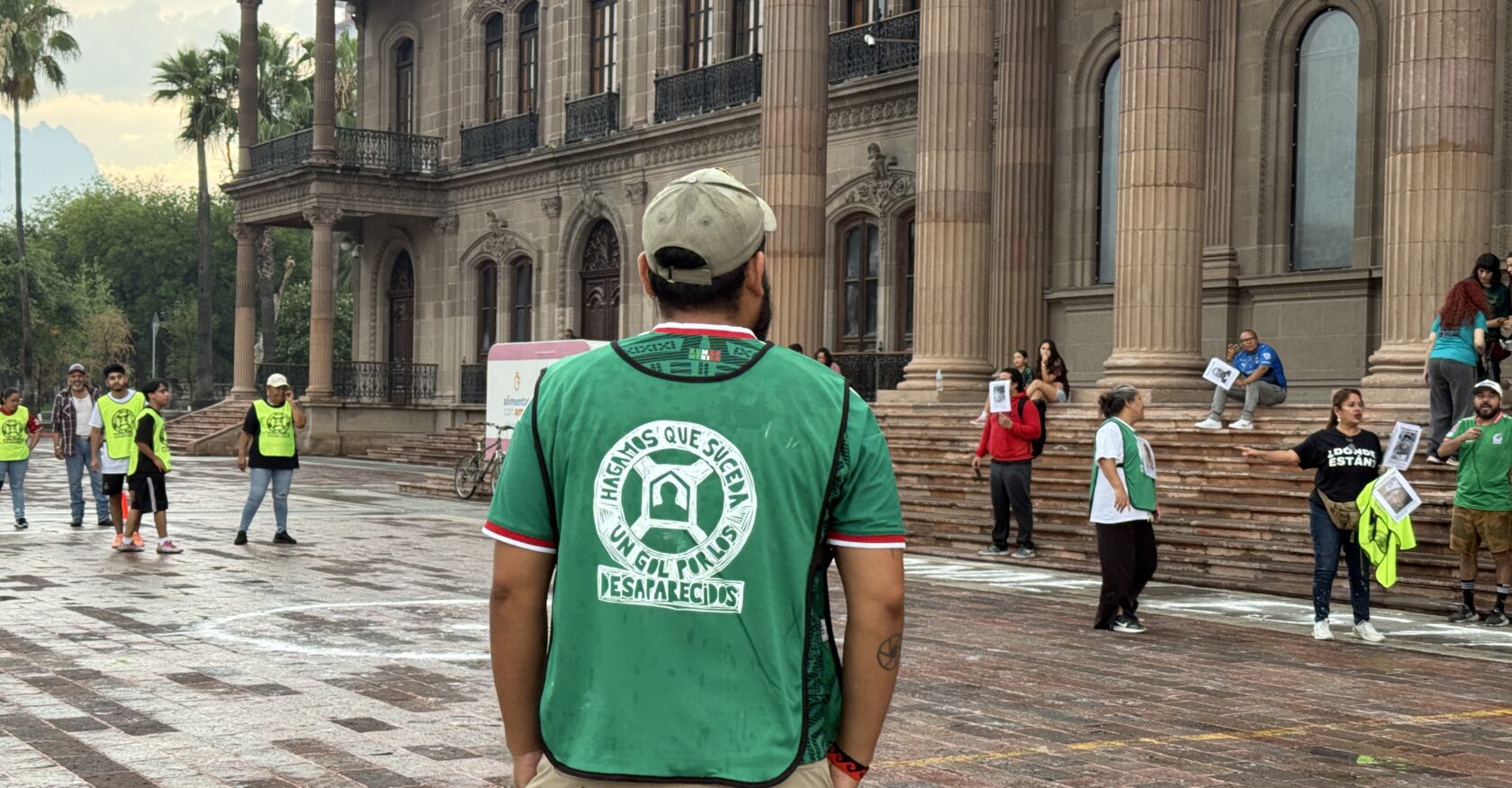
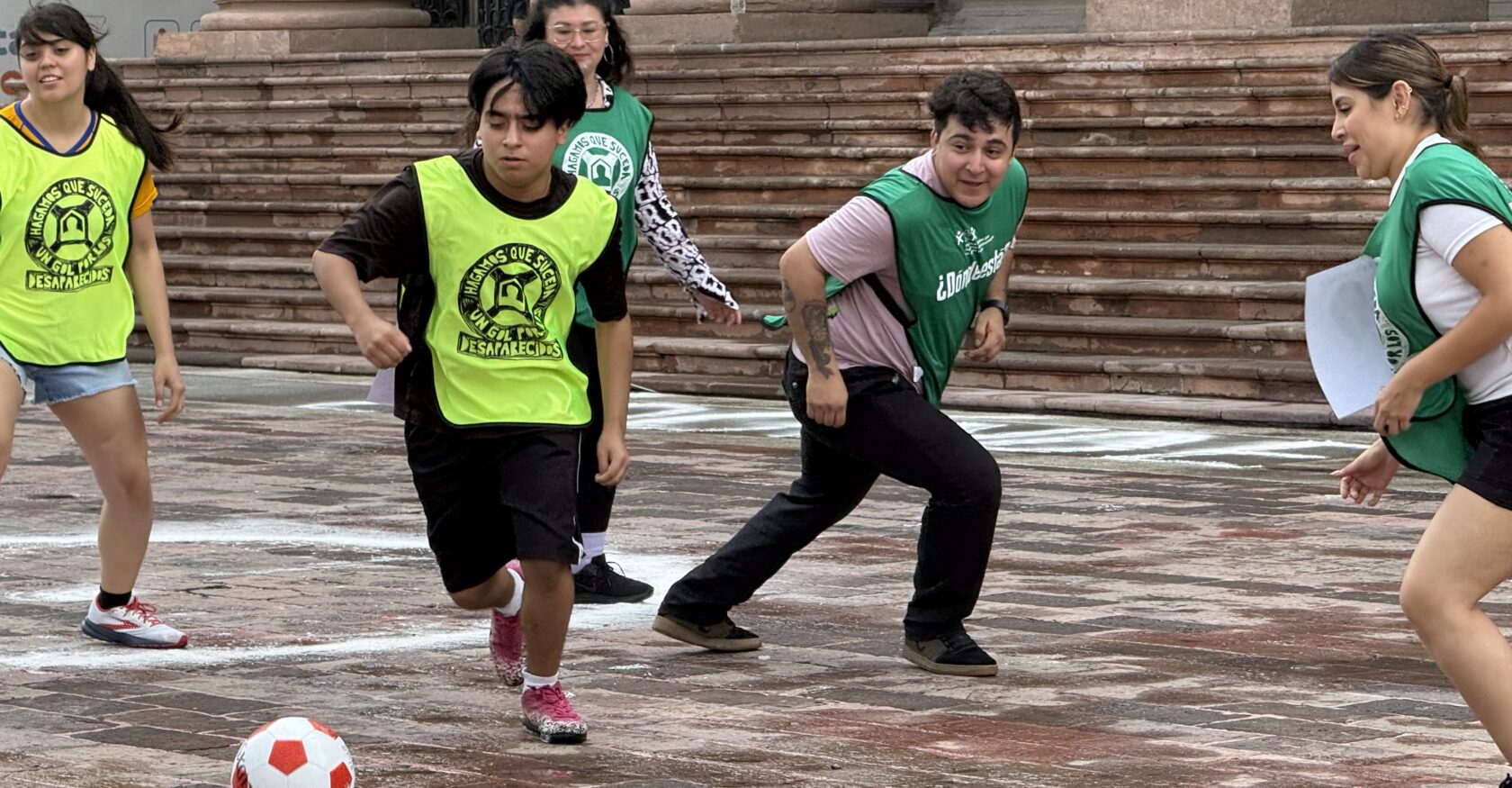
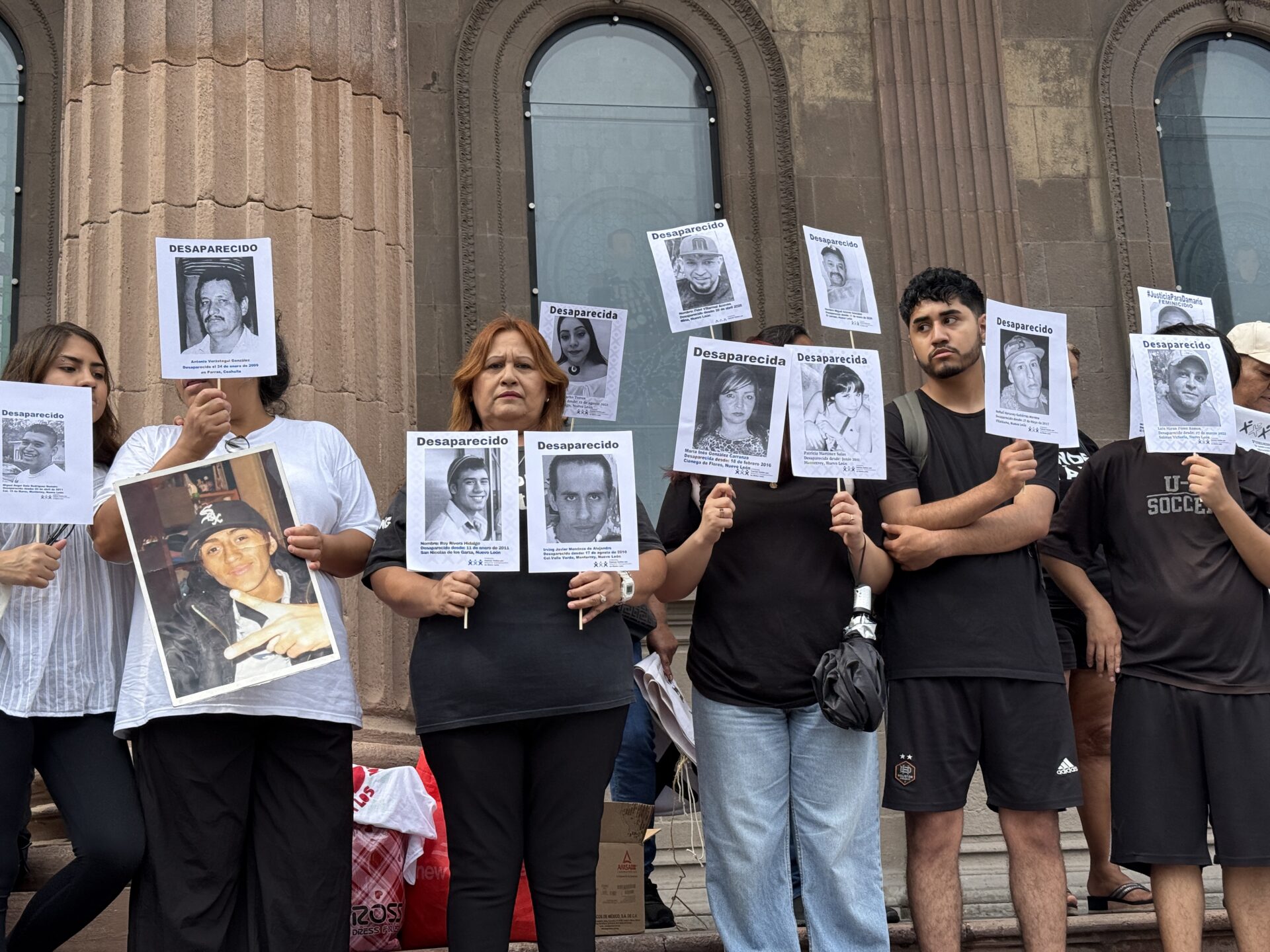
Critics, including collectives representing families of the disappeared, argue that the mega operation ignores the needs of residents, creating a tourist bubble. “That security bubble is leaving ordinary citizens behind,” says Jesús Ibarra, a professor at the Western Institute of Technology and Higher Education (ITESO).
Under the direction of the Ministry of Security and Citizen Protection and the National Intelligence Center, security forces —including the military, local police, and private contractors— will be deployed across the host cities of Mexico City, Monterrey, and Guadalajara.
This coordinated effort was announced in Jalisco in early March, weeks after the killing of Nemesio Rubén Oseguera Cervantes, known as “El Mencho,” leader of the Jalisco New Generation Cartel, during a federal raid. In response, cartel factions launched a series of coordinated attacks, including over 250 highway blockades across 20 states, bringing global scrutiny to the country’s security situation.
Ibarra explains that these events clearly showed the operational coordination of the criminal organization, not only in Jalisco but across the country. Then, on April 20, a 27-year-old gunman opened fire at the archaeological site Teotihuacán, killing a Canadian tourist and injuring 13 others before dying by suicide.
Álvarez, from MUCD, argues that the plan seems like a reactive response following these violent episodes. He also cautions that such a plan could serve as a justification for deeper militarization and increased state surveillance.
Mexico’s ongoing militarization has not only blurred the line between civil and military authorities but has also expanded into critical infrastructure, such as airports, ports of entry, and major tourism-linked mega-projects. “It’s not just the militarization of critical infrastructure and the economic empowerment of the armed forces,” says Álvarez, “it is also about the projection of security.”
Late in March, the Ministry of Defense (Sedena) and Mexico City’s C5 security center signed a three-month partnership to share access to 13,293 cameras in the vicinity of the World Cup venues. This collaboration integrates Sedena into local monitoring operations and allows the exchange of data and intelligence.
FIFA’s “Last Mile” protocol is also raising concerns. The policy establishes pedestrian-only zones around host stadiums on match days, involving road closures and restricted vehicle access. Residents near the venues in Monterrey have voiced confusion over the plan. Ávila warns that such limitations on mobility and movement of people require careful oversight. “Care must be taken not to disrupt the daily lives of those who have nothing to do with the World Cup — the people who live in this city every day,” he added.
Locals in Monterrey welcomed the strong military presence as a more reliable alternative to local police, often associated with corruption and bribes. However, some residents noted that these efforts primarily benefit the areas surrounding the tournament venues, fan zones, and key transit routes. “Nothing has changed; the focus is near the stadium,” says 64-year-old Sonia Ondarza, a resident of the Tolteca neighborhood.
For those living near the World Cup venues, their needs are clear. In the neighborhoods surrounding the Monterrey Stadium, commonly known as the BBVA Stadium, residents are calling for basic infrastructure like pothole repairs and street lighting to enhance public safety.
“You only see the changes on the avenue near the stadium. Here, we’re having issues with drug dealing and petty theft. A motorcycle was stolen, along with several garbage cans, but authorities don’t do anything — and those cans are not cheap,” says Eliud Anaya, a 40-year-old local shopkeeper.
In Guadalajara, the situation is more dire as clandestine burial sites have been discovered in the vicinity of the Akron Stadium. This has drawn international attention to Mexico’s disappearance crisis — more than 130,000 people are reported missing nationwide, with 16,000 of those cases in Jalisco alone. Ibarra argues that the city’s deeper security crises will remain untouched, along with the plight of victims, such as families of the disappeared and those facing extortion.
“There’s a whole apparatus focused on ensuring public safety during the World Cup,” Ibarra said, “while trying to render invisible the problems that we, the residents of Jalisco, experience everyday.”