











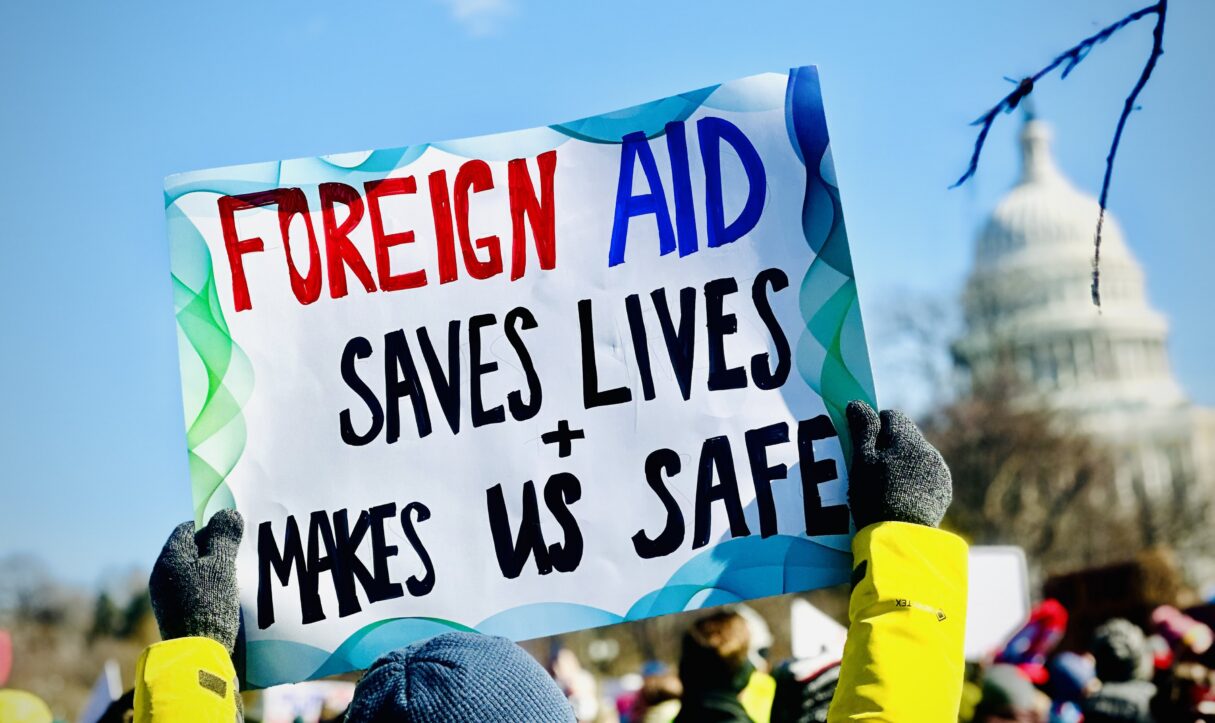
For decades, there was bipartisan consensus in Washington that the United States — the wealthiest nation in the world — has a moral obligation to assist those affected by poverty, violent conflict, and humanitarian crises. Lawmakers understood that just a tiny fraction of the federal budget would go a long way to save countless lives and help millions in need across the world. Heeding this imperative, the US led as the top global aid provider for many years.
Tragically, decades of progress screeched to a halt last year when President Donald Trump’s administration terminated more than 80% of US foreign assistance programs, causing immense suffering and undermining US and global security.
The numbers are as shocking as they are devastating. As a result of these senseless and cruel cuts, experts report that more than 250,000 adults and 500,000 children have died from preventable causes. These are not just numbers on a page; they are individuals, families and communities facing the direct consequences of the decisions made in Washington.
As Congress makes its spending decisions for the next fiscal year, it now has a choice: cement these harms or get back to saving lives.
Facing the possibility of additional spending cuts, Congress successfully passed a bipartisan spending package last year that preserved some critical foreign assistance programs. But the funds allocated to these vital programs for the 2026 fiscal year ultimately fell far short of what is needed to protect US values and national security.
Despite its shortcomings, last year’s bill was a hard-won bipartisan compromise — and it showed what is possible when lawmakers resist the most extreme cuts. The bill preserved Atrocities Prevention funding, maintained US dues to the United Nations, and prevented any international climate and conservation funding cuts or dangerous policy.
Even at $50 billion, however, total international affairs spending came in billions below previous levels, and just a fraction of the total package. With the appropriations process for the 2027 fiscal year now underway, Congress has the opportunity to resist pressure to slash more life-saving foreign aid and make robust investments in peacebuilding and humanitarian assistance instead.
Unfortunately, the Trump administration has only deepened its cuts to foreign assistance since January 2025. These actions undermine the nation’s core values of generosity, compassion, human rights, and equal opportunity for all — but worse yet, they have already exacted a devastating toll on many parts of the world.
One shocking example is seen in the 120,000 preventable child deaths from diarrhea. At a cost of just 30-70 cents per episode, an easily administered treatment can reduce mortality rates by two to three times. Cuts to such a practical, cost-effective, and life-saving solution defy both moral and strategic logic.
Millions more have lost access to essential healthcare, food assistance, disease prevention, economic development opportunities, and education. In Sudan, where the world’s largest humanitarian crisis continues to unfold, the halt of US funding has forced the closure of more than 1,500 aid kitchens and health centers, leaving an estimated five million people without lifesaving care, while acute child malnutrition rates hover at 10 times above the emergency threshold. In Haiti, cuts to HIV prevention programs have already disrupted access to PrEP medication, with health experts warning infections could rise sharply in the months ahead.
Foreign assistance also helps stop deadly outbreaks before they spread globally. As public health experts have warned after Ebola outbreaks in West Africa, “The best way to prevent an epidemic in our own country is to control it at its source.”
Beyond being a moral imperative, US foreign assistance has been a powerful and cost-effective strategic tool for decades. Robust investment in foreign assistance stimulates economic growth, contains deadly diseases like Mpox, Ebola and HIV/AIDS, and promotes peace and stability globally.
When these programs disappear, instability often grows in their place. One recent analysis found that aid cuts contributed to a measurable rise in armed conflict in parts of Africa last year. A new study published in the leading journal Science backs those findings up, warning that the dismantling of USAID corresponds with “a rapid increase” in the likelihood and severity of violence in regions impacted by aid cuts.
A critical yet persistently underfunded component of foreign assistance is peacebuilding and conflict prevention. Last year’s compromise bill saved the Atrocities Prevention Fund from elimination, though it completely eliminated Reconciliation Programs. These programs bring together individuals across ethnic, religious, and political lines in conflict areas to heal divided communities and promote non-violent conflict resolution.
This matters because peacebuilding works. Decades of research show that investments in conflict prevention and reconciliation reduce violence, strengthen communities, and save taxpayer dollars. The World Bank found these programs save $26-$103 in conflict-response costs for every dollar invested.
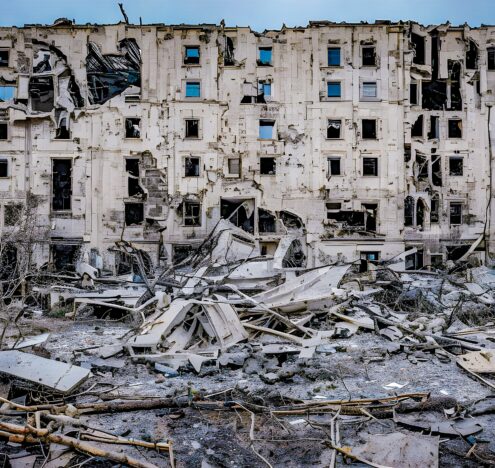
Failing to invest in peacebuilding risks new cycles of instability and violent conflict that inevitably cause human suffering and death, drive mass displacement, and require far costlier interventions. This diminishes US national security and costs taxpayers more in the long run.
In the face of these devastating cuts, he American people have worked to fill in where lawmakers have fallen short, giving $35.5 billion in 2024 to international aid programs through private philanthropy. But private giving cannot match the scope and scale of government funding — especially at a time when other donor countries are also cutting foreign aid. And to be clear: investing in foreign assistance is not charity; it is a critical investment in a safer, more prosperous world for all.
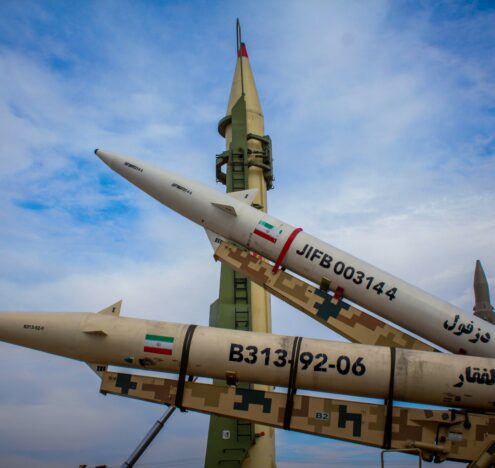
In the face of this, lawmakers have taken the opposite approach. In the 2026 fiscal year, the Pentagon received $838.7 billion, more than 16 times the amount allocated to the State Department. In fact, the entire State Department budget is equivalent to just the weapons spending of the US Air Force alone. As Congress and the administration seek opportunities to cut the deficit, this seems an obvious place to start. Instead, Trump is now seeking another massive increase in military spending, doubling down on this costly, ineffective approach.
Some lawmakers are stepping up, demonstrating their commitment to saving lives and money and more effectively advancing US national security. On April 28, 2026, the House Appropriations Committee approved the FY27 National Security, Department of State Appropriations Act. While imperfect, the House bill protected key accounts, including Atrocities Prevention, even increasing the proposed funding numbers. Whether the Senate will follow suit remains to be seen.
Ultimately, these decisions are a statement of our national priorities and define who we are as a nation in the eyes of people across the globe.
As Congresswoman Rosa DeLauro recently said, “it is remarkable, the distance between how much we are willing to devote to war, and how little we can spare for peace.” Expanding that gap even further will only harm US security and cause more needless suffering. But closing it would mark an important step toward reaffirming the United States’ vital role in building a safer, healthier, and more peaceful world.
The lives, dignity, and security of millions are at stake. Every life matters, and every dollar counts.