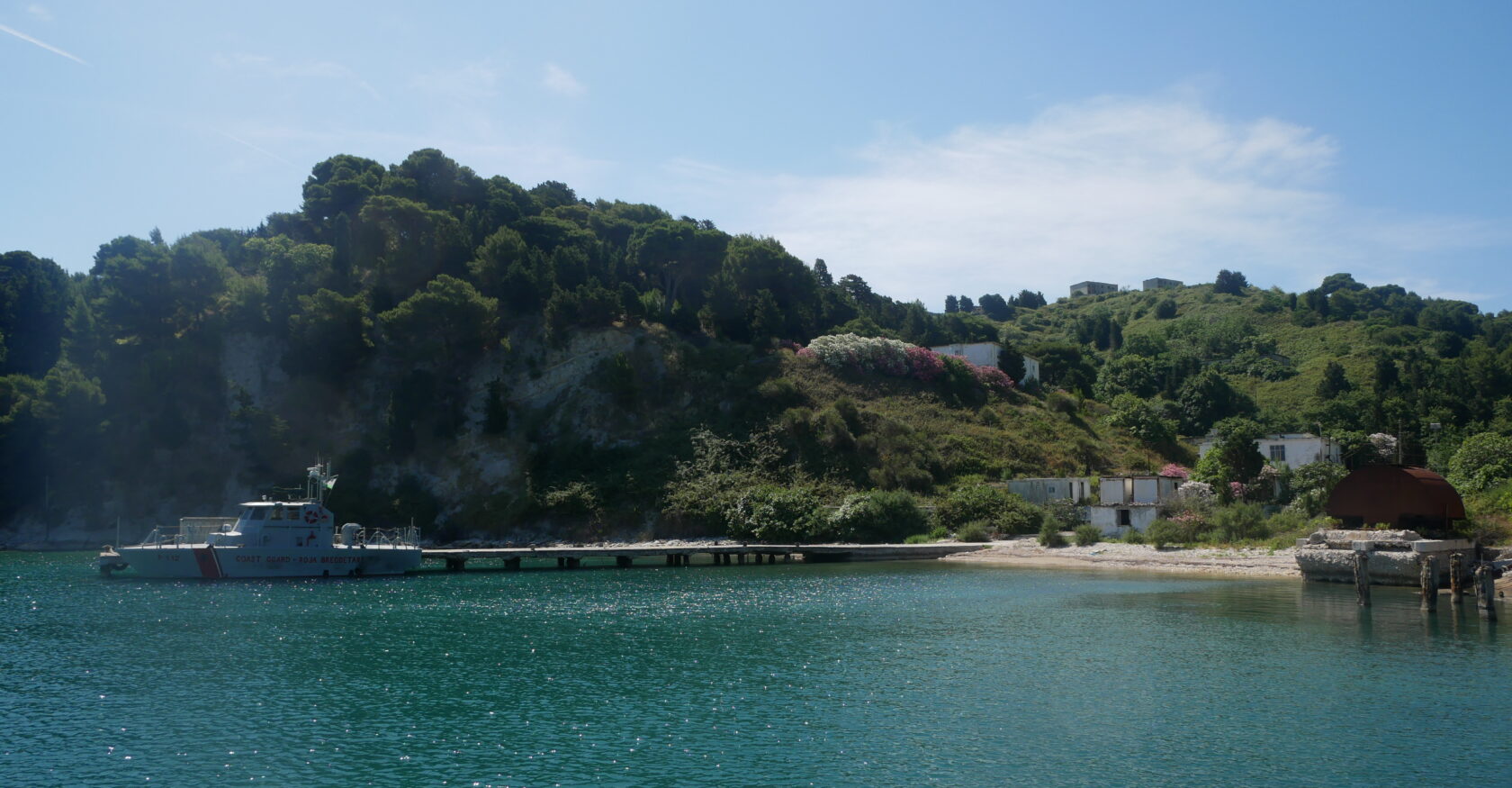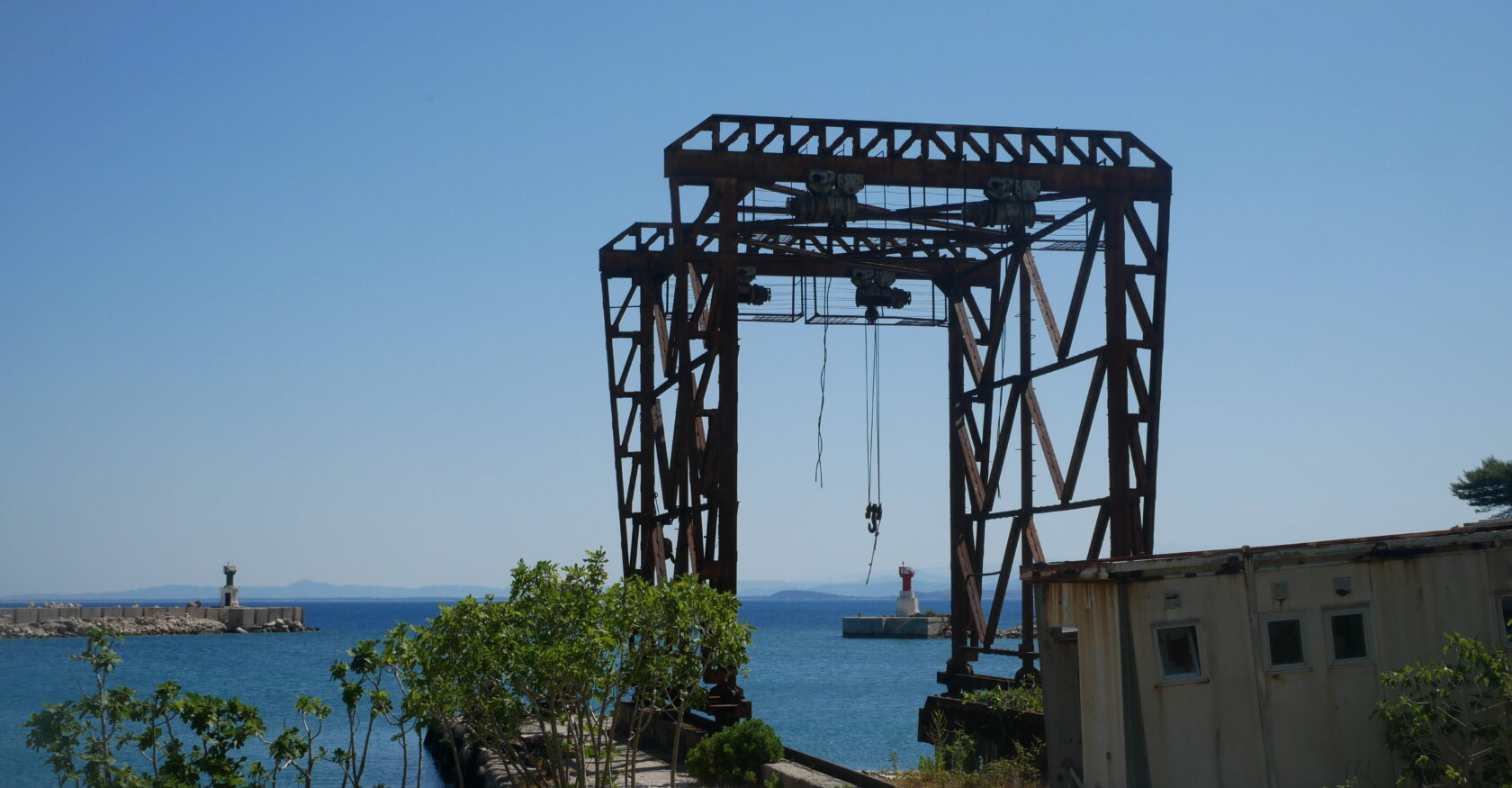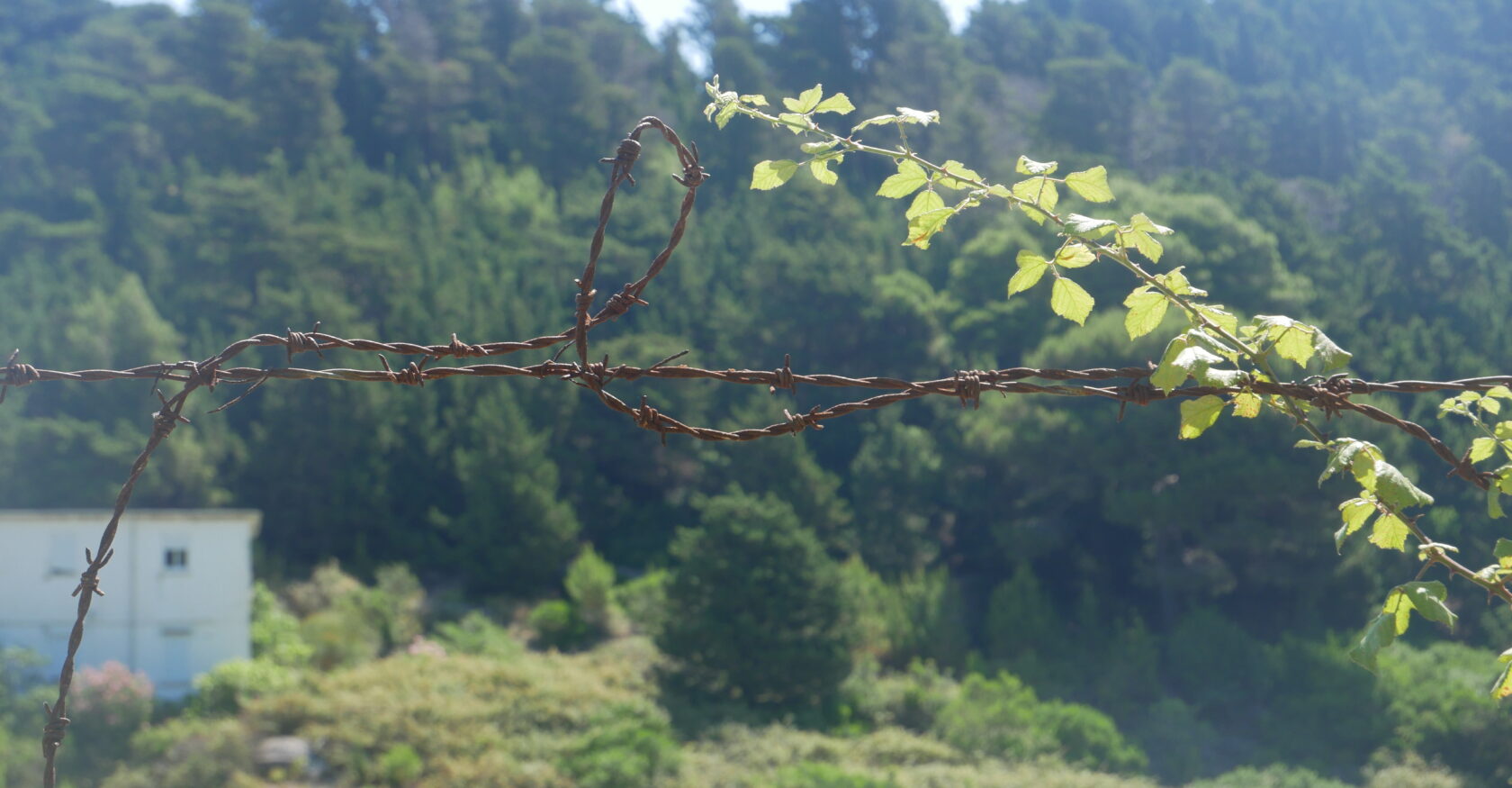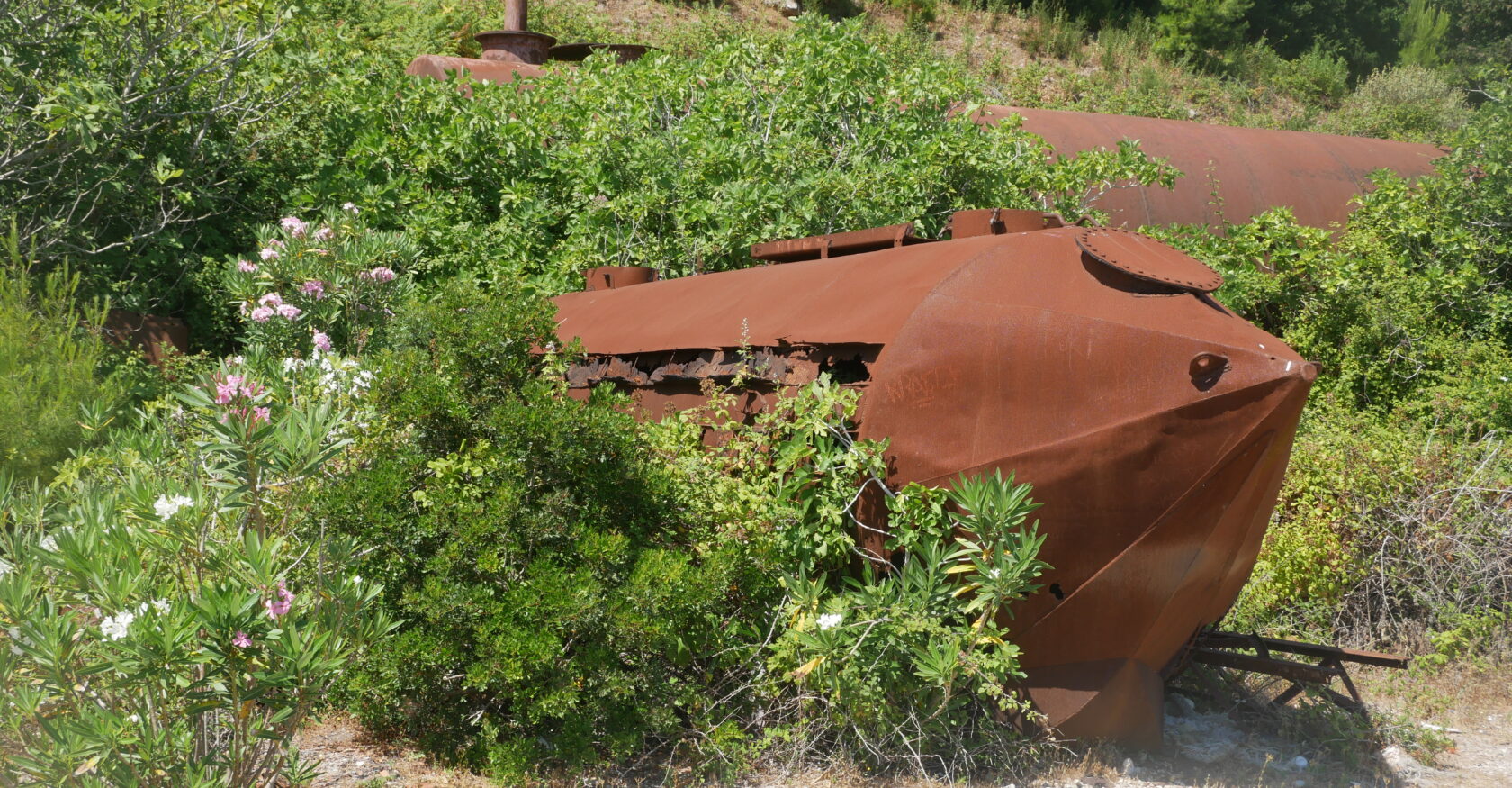


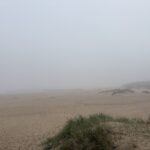




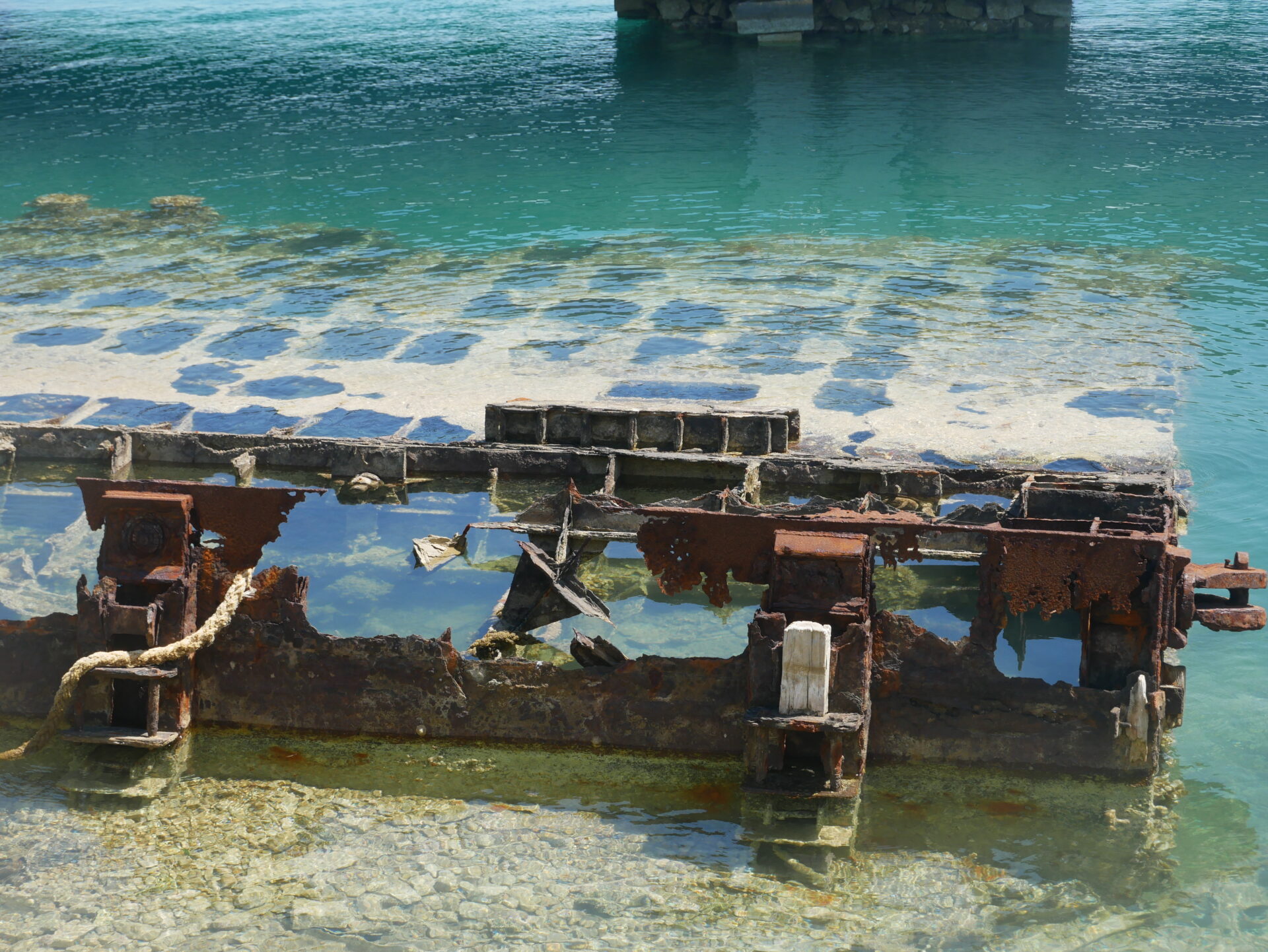
Our tour guide, Brendan, turns down the sound of “Macarena” blasting from the speakers as he cuts the engine of the 20-or-so-person speedboat and eases us towards the harbor. In front of us is a steep, rocky island with low brush and a smattering of two- and three-story buildings up on a distant hill. Near the small port, a corrugated and rusty metalwork structure with dangling hooks and pulleys stands out against the otherwise scraggly surroundings as a coast guard boat idles nearby. Greenery has overrun most of the signs of human life — a water tank, a metal wheel, a small lean-to — as if abandoning them to nature, though several tourist boats like ours have just docked for 30 minutes.
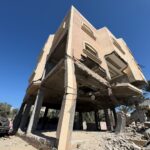
“The ruins that you see there used to be apartment buildings,” Brendan explains, pointing towards the hill. “Because there were several thousand active military living here.”
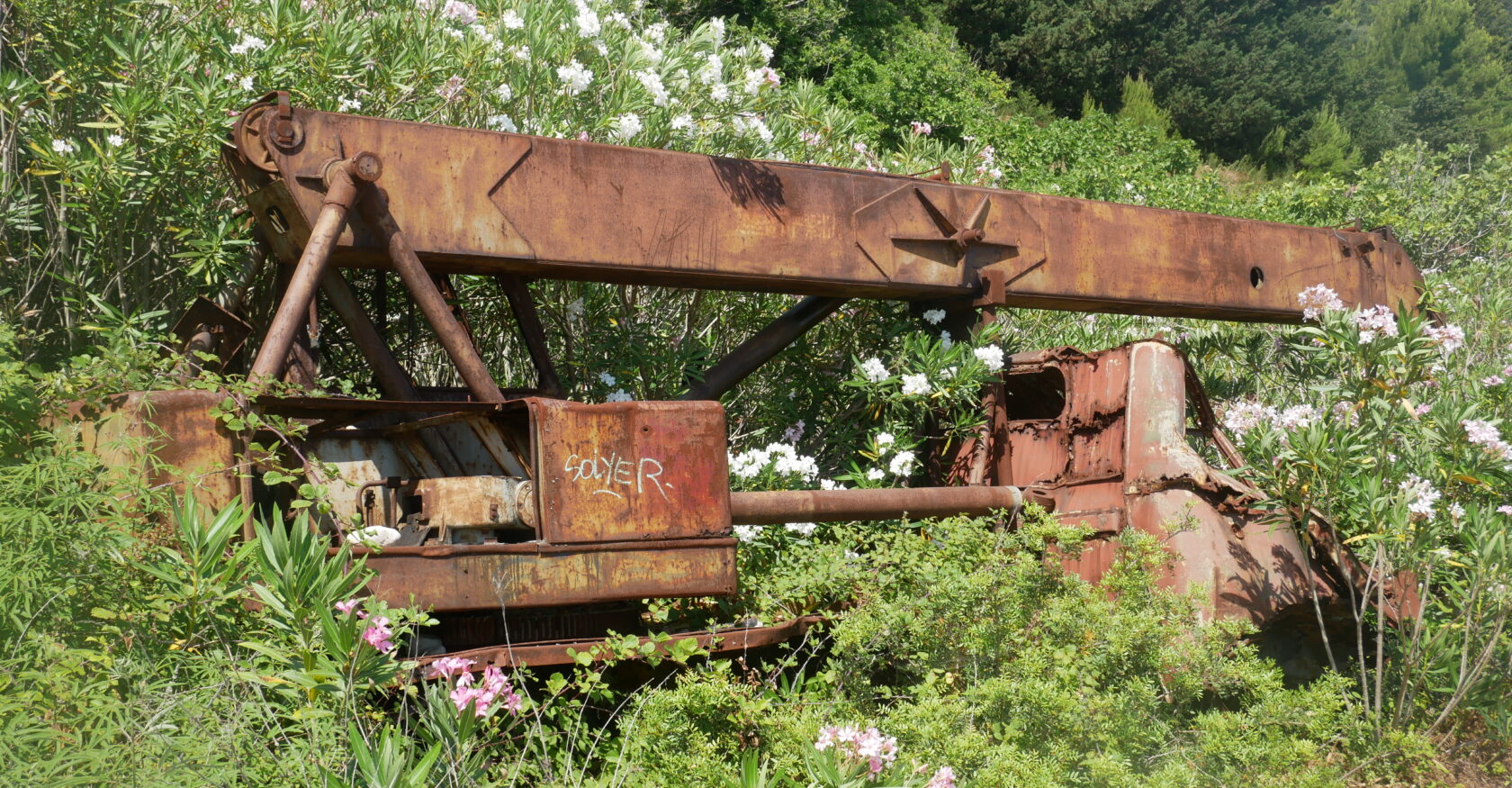
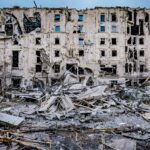
The windows appear bombed out and overgrown with thick shrubbery. Their presence feels remote on this island off the coast of Albania in the Adriatic Sea. Only accessible via speedboat and helicopter, it has been effectively abandoned since the mid-1990s. After decades as a military base, it was demilitarized and turned over for tourist use in 2015, though never developed. Across the island, tall weeds with pink flowers have grown so high that they now tower over the rusted water tanks near the harbor; a shack that once stocked military equipment lies crumbling, filled with trash. This bone-dry island has no natural water source apart from rain. We’re warned to look out for the venomous snakes.
When US President Donald Trump’s daughter Ivanka and son-in-law Jared Kushner first visited Sazan, they saw opportunity, not devastation. “We swam to the island, we went on a hike barefoot to the top and we were just captivated,” Ivanka Trump said in a May podcast interview about a visit that she dates to 2021. “And over the course of many years, we developed the opportunity to help realize its potential.”
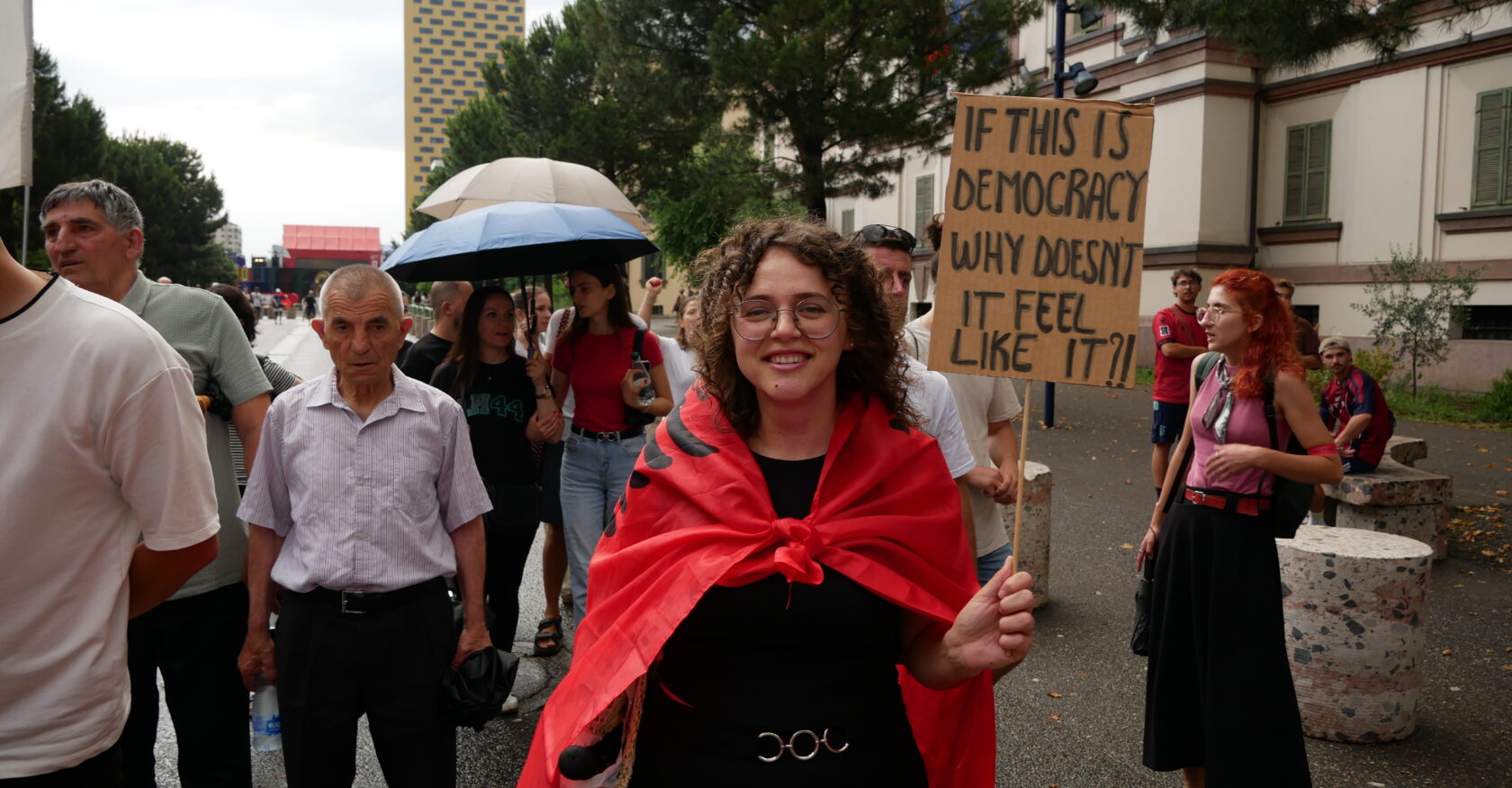
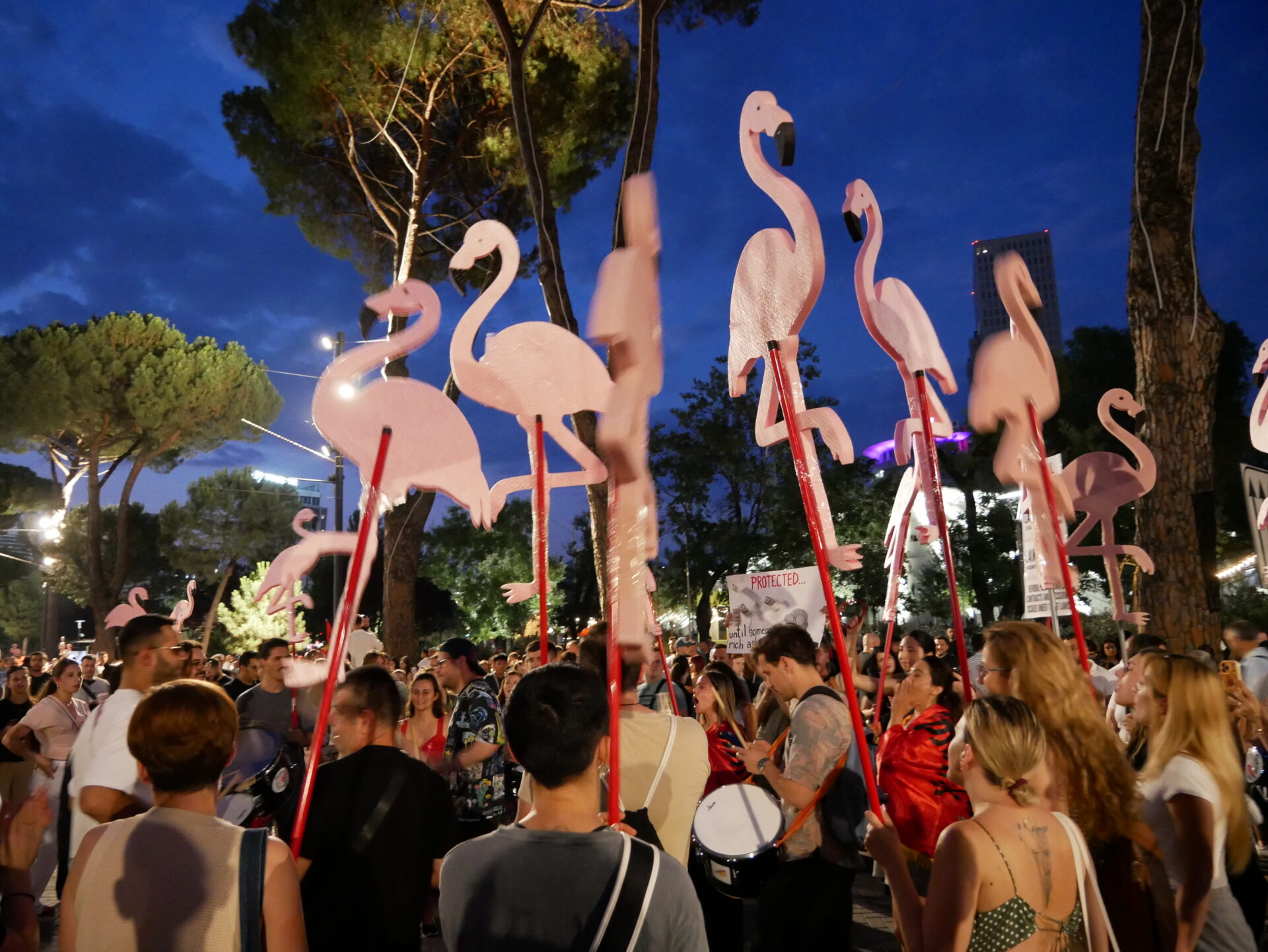
That potential is a €1.4 billion (about $1.6 billion) luxury resort that Kushner and Ivanka Trump hope to build on Sazan Island, with the support of Albania’s center-left Prime Minister Edi Rama. The Ivanka clip has now been heard — and parodied — around the world as, for the past month, Albanians have taken to the streets of Tirana and other cities in protest. They see as a land grab — evidence, they say, of the country’s wild landscapes being developed with little regard for sovereignty, jobs or the environment. The protests have become known as the “Flamingo Revolution” due to the fauna they say is threatened by the proposed project on Sazan and across the Bay of Vlorë in a protected wetland area also tapped for development.
As we dock, I ask our tour guide about efforts to develop the island, which remains public Albanian property, and surrounding region. Kushner “ wants to buy it, but he won’t get it,” Brendan says before the passengers, myself included, disembark.
Some 160 kilometers (100 miles) from Sazan, in the sweltering Albanian capital, the message is similar. Every night for nearly two months, protesters have gathered in Tirana. They meet at the central Skanderbeg Square and march to the prime minister’s office. One of the banners they hold — night in and night out — reads: “Sazan is not for sale.” That slogan has become a mantra of sorts.
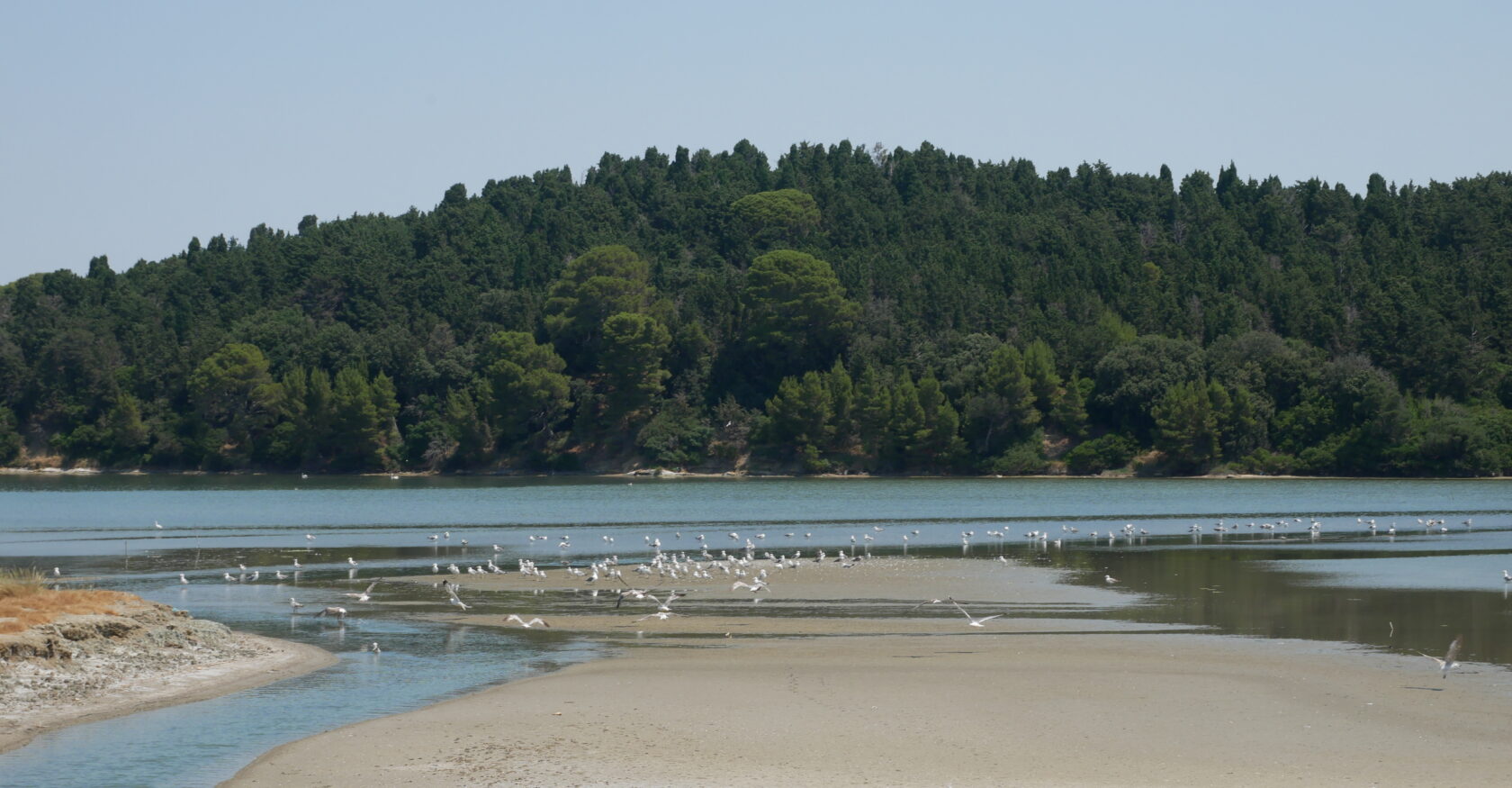
Albanians first took to the streets on May 23 near Zvërnec, a small city across the bay from Sazan. The protests started after bulldozers were spotted doing clearing and excavations in locations in the Vjosa-Narta Protected Wilderness Area, a natural wetland along the coast that’s home to roughly 200 species of birds, including the Dalmatian Pelican, and serves as a key migratory location for pink flamingos.
Developers and the government tell a different story. “For four years, we have worked toward creating a world-class destination on the Albanian coast — one rooted in thoughtful design, environmental stewardship, and long-term economic opportunity,” Asher Abehsera, Chair of the Sazan Real Estate Development LLC, in charge of the project, said in a statement shared with Inkstick. “Our goal is simple: celebrate Albania’s natural beauty, create jobs, and build something future generations can be proud of.”
Prime Minister Rama has called the project a “blessing” and a unique economic opportunity for the country, which is still struggling from decades of disinvestment. “It has never been a question if this will go ahead or not,” he said in June. Sazan, Rama has insisted, is not and has never been for sale, but rather is being developed as part of a joint partnership with private investors and the Albanian state. But the narrative stuck, and quickly the movement surpassed Sazan. A week after the protests began in Zvërnec, a viral video showed private security guards dragging a protester along the ground as police looked on — further fanning the flames. The next day, the protests reached Tirana, where they swelled to thousands of people. Every night, Albanians hoist cardboard pink flamingos and shout slogans not just about Sazan but about corruption, rising inequality, voting rights, and inadequate social services.
The irony, perhaps, of this small island off the coast of Albania becoming a global flashpoint is that for much of its history, it was considered to be somewhat of a backwater.
During the 45-year communist dictatorship of Enver Hoxha, back when it was still an active military site, nobody wanted a posting on Sazan, Albanian historian and former Humboldt fellow Artan Hoxha — who, like many Albanians who share this common last name, is not related to the dictator — explains. Though it was never actually a prison, being sent there was considered an unlucky assignment — “like an internment camp,” Hoxha tells me. “You go there, there is nothing, and the island is all surrounded by sharks; there are all these underwater currents. It’s dangerous. People wanted to leave as soon as possible.”
“No one built a hotel on Sazan for the same reason no one picked the flowers: you would have been shot.”
Andi Shehu
Hoxha’s co-author on the recent book, Enver Hoxha: Twentieth-Century Tyrant, Robert Austin, a historian at the University of Toronto and author of several works on Albania, agrees. “Sazan Island was never that important, actually,” he says. “It’s exciting that it has become important.”
If not important in its own right, Sazan has long been coveted: Held under British colonial protection in the 19th century, briefly taken by the Italians during World War I, occupied by the Germans in 1943 after the Italian Armistice, and finally made Albanian through the postwar Paris Peace Treaty, Sazan’s main importance lies in its strategic location.
“Sazan was important geopolitically for a specific historical conjuncture,” Hoxha explains. “In that sense, it’s like an artifact of the 20th century.”
Whoever controlled Sazan, he says, controlled the Strait of Otranto, the 72-kilometer wide (46-mile) stretch of water that separates Albania from Italy and the Adriatic from the Ionian Sea. Sazan, and the broader region, became a contested territory and a bargaining chip in someone else’s fight. After the war, the Soviet Union built a naval base at nearby Pashaliman, on the Gulf of Vlorë, where they stowed a dozen submarines. They stayed in the area until 1960, when the two countries broke off relations. By 1961, the Albanian communist government had secured full control of Sazan, building a vast network of thousands of underground bunkers, submarine storage tunnels and housing for troops. At its peak, the island hosted 3,000 military servicemembers.
But, as Andi Shehu, an Albanian political analyst wrote on his Substack, Sazan was off-limits to most Albanian citizens. “The island was forbidden because it was a weapon. It stayed wild because it was forbidden,” he writes. “No one built a hotel on Sazan for the same reason no one picked the flowers: you would have been shot.”
The country, meanwhile, sank deeper into a brutal dictatorship, in which an estimated 6,000 dissidents, religious leaders, and activists were killed or disappeared and as many as 200,000 Albanians imprisoned in work camps across the country. Sazan “became a symbol of the isolation of Albania during the Cold War era,” Hoxha says. The military base, he adds, evoked the “idea of a lone island, a fortress that was resisting against the whole world.”
The island’s physical character matched its reputation. The name Sazan comes from sasso, Italian for rock or stone. Half of Sazan — facing mainland Albania — is covered with low vegetation; viewed from the Italian side, sheer, jagged cliffs dive into the Bay of Vlorë.
“The environment is very bad,” Artur Meçollari, a retired navy captain and author of a historical study of Sazan and the Vlore Bay, tells me from his home in Tirana. “So, when Ivanka Trump says she walked to the peak barefoot, this is a lie.”
Meçollari would know: He’s one of the rare people who’s actually lived on Sazan. Born to a military family, he arrived on the island as a three-week-old (there was no hospital in Sazan, so he was born in Vlorë, the nearest big city), spending the first two years of his life there. When it came time for schooling, his father sent him to Vlorë. He later lived on Sazan during his naval training, eventually rising through the ranks to become a captain. Sazan, on account of its particularities, was a strange place to live — far from everything, exposed to the elements, and potentially dangerous.
On a good day, he says, Sazan’s conditions are tough. In the winter, the wind is merciless and shifts quickly. Growing up, there was a saying on the island: “When there is wind, you don’t have any place to hide.”
Human attempts to tame Sazan have come up short. During the communist era, Meçollari explains, drilling expeditions failed to reveal any groundwater — forcing the military to bring in drinking water by ship. Hooking up a power grid would also be logistically complex, he added, as cables would have to be routed from the mainland.
That’s not to mention the explosives. I didn’t see any, but Meçollari tells me the island is surrounded by about 120 tons of unexploded ammunition, dumped underwater at depths from zero to 10 meters. In the mid-2010s, the Albanian military swept one area off the northeast coast known as Zone 3, finding 30 tons of unexploded ammunition. Another section on the western coast — not yet demined — is known locally as “hell’s throat” or the “grove of hell,” due to the massive quantities of unexploded artillery. The land itself is covered by a network of underground bunkers that peek out of the earth like low-lying cement toadstools.
The last formal military activity on Sazan ceased in December 2024 (for more than a decade Italian and Albanian units were stationed there on an anti-human trafficking mandate), though the Albanian military still maintains a minimal presence.
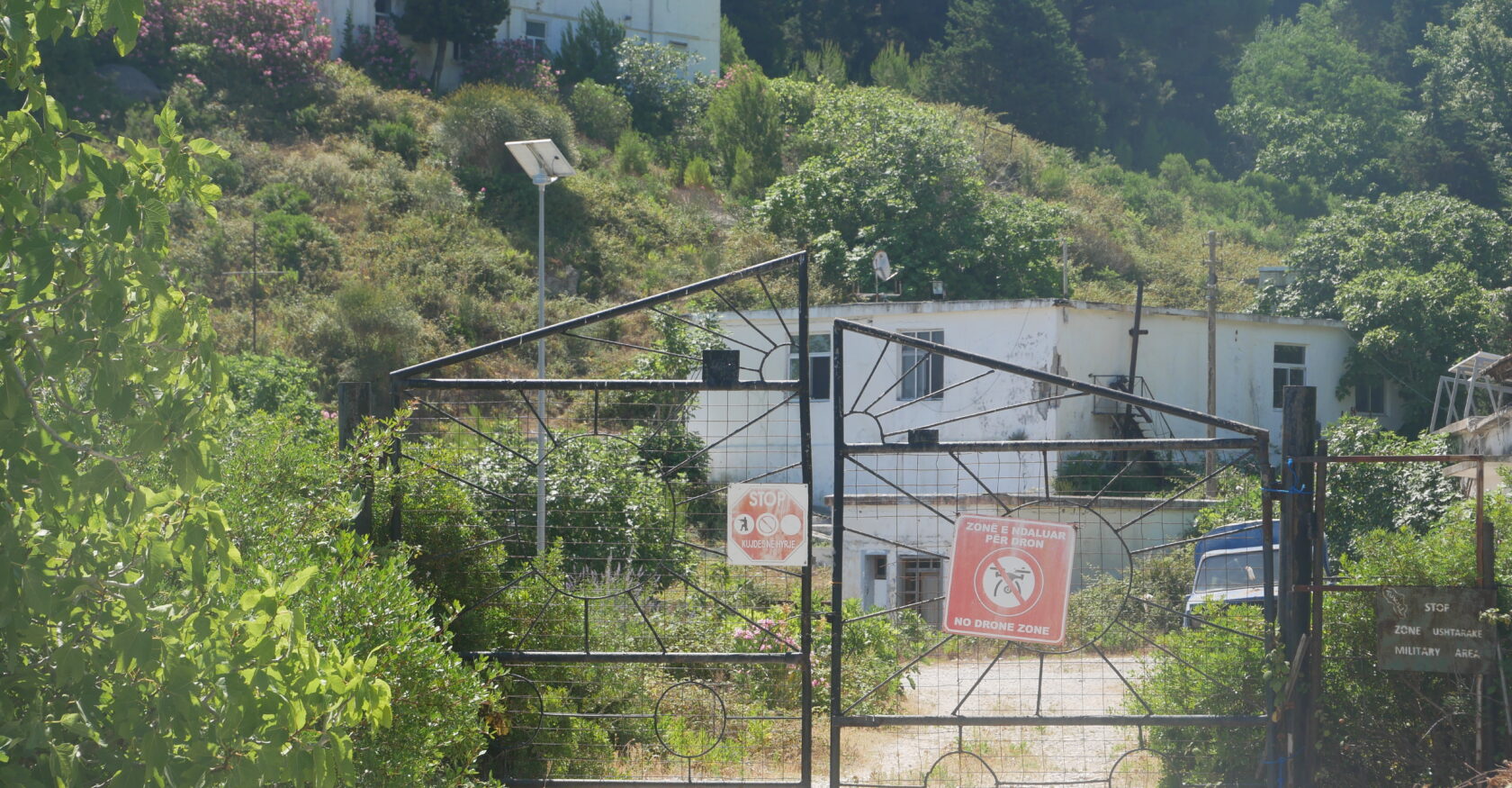
As I walked up the one winding footpath toward the bunkers, I came across an unwelcoming sign reading, in Albanian: “Be careful at the entrance,” accompanied by the universal no-entry symbol and a man aiming what looked like an AK-47. A gruff man shushed a German shepherd that had begun barking at me.
After the dog quieted, I ran into one of the Albanians from my speedboat, also peering into a bunker. I asked the young man, an expat home from abroad to visit, whether he thought Kushner’s dream resort would ever be built. For that price, he said, “we could have gone to space. When we remove this bullshit, we should be focused on that.”
On July 20, 50 days after the first protests in Tirana, Albanian activists broke out their hats and sunscreen and traveled to Sazan for a symbolic protest. They carried a large banner that, viewed from above, read in all caps: “Cancel the projects.”
“Sazan Island is the only island [we have],” Meçollari, now one of Albania’s strongest voices against the Sazan development project, insists. “We must have a national consensus about its future, not only for strategic purposes, but as our only national treasure.”
“Greece has 6,000 islands but treats them like they only have one. Albania has only one island and we treat it like we have 6,000,” he added.