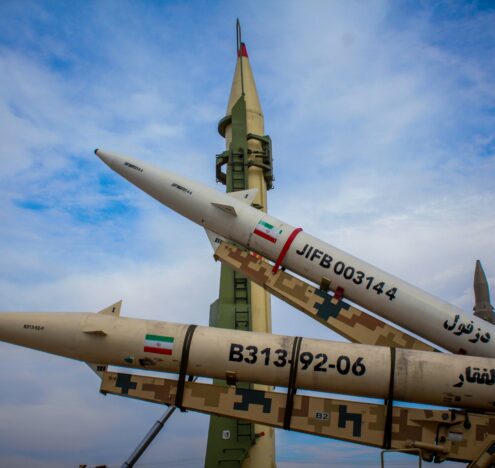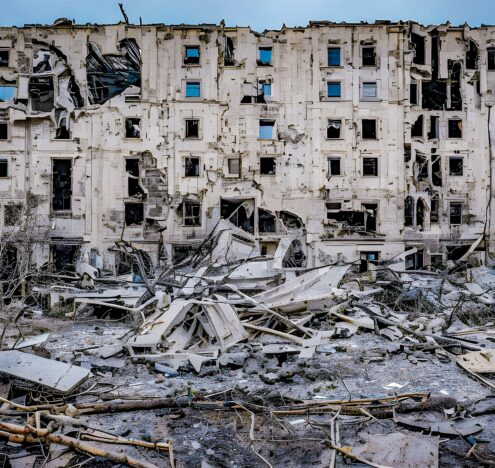










New START ends. China grows its nuclear arsenal. Russia issues more nuclear threats. US President Donald Trump’s administration seeks the buildup of America’s nuclear arsenal. Each of these events seems to make a nuclear arms race inevitable, forcing the United States to invest billions of dollars toward nuclear weapons to keep pace. But nothing is truly inevitable, and arms races are no exception. US policymakers are perfectly capable of taking action to avoid building up America’s nuclear arsenal. The country’s security and well-being don’t need it. In fact, most people support the deterrent effect of nuclear weapons and their eventual disarmament. This view seems nonsensical. But it is, indeed, sensible.
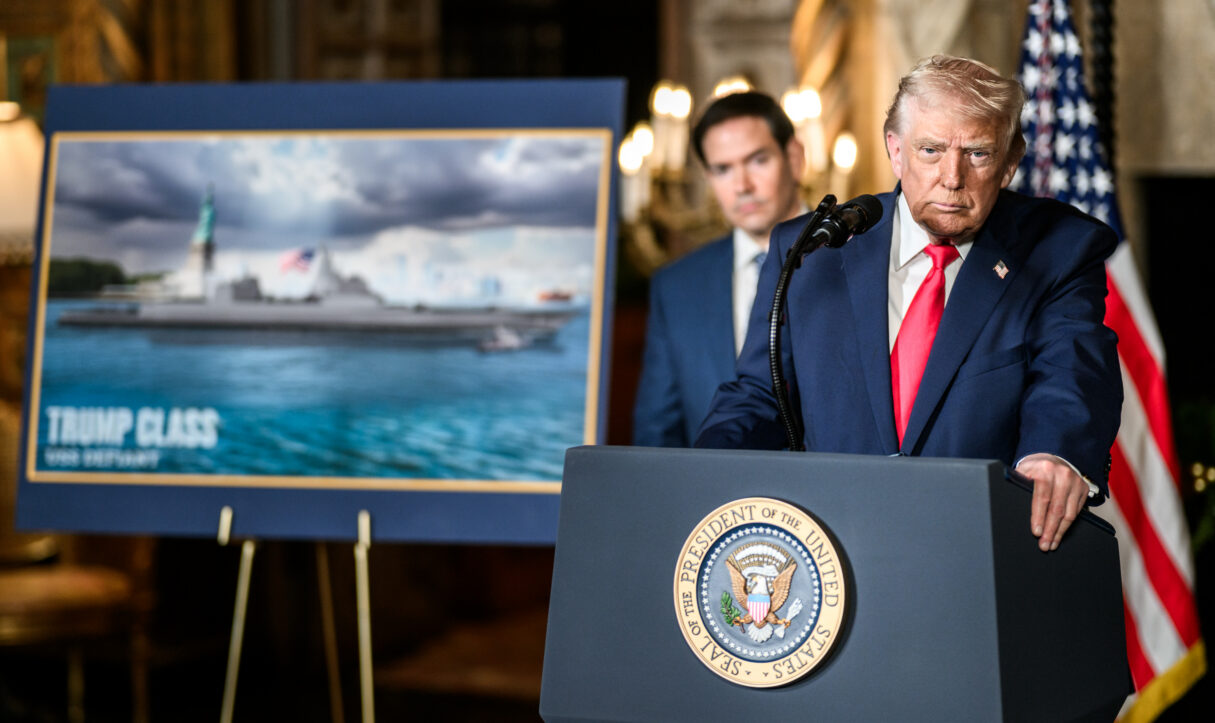
Since Trump returned to the White House in January 2025, his administration has sent mixed messages on arms control. On the one hand, the president has expressed support for efforts at “denuclearization” and for the world to have fewer nuclear weapons. But his administration’s actions paint a very different picture, and actions speak louder than words. The Trump administration is pursuing programs that would fuel the arms race between Russia, China, and the US, such as the creation of the Golden Dome and the testing of nuclear weapons. Reports also indicate that the Pentagon plans to build and deploy more tactical nuclear weapons, a move that would undoubtedly increase the odds of nuclear weapons being used.
Deterrence involves risk, and nuclear deterrence even more so. It goes without saying that nuclear weapons are massively destructive. Threatening to use one risks another being used against the threatening party. This is the risk — and it’s a very dangerous one.
The problem becomes one of credibility, of making sure that the other side understands that a country will use nuclear weapons should push come to shove. The credibility of nuclear weapons rests on their existence. Their destructiveness makes the potential use of just one is horrific enough. If that’s the case, why, then, does the US need more of these weapons?
Those wanting more nuclear weapons seek them to deter non-nuclear attacks. By having lots of nukes and threatening to use them first in a crisis to limit damage from retaliation, the US can credibly threaten nuclear destruction. This is an effort to avoid a rival from deterring our ability to deter with nuclear weapons, from “deterring our deterrent.”
But there are still two problems with this line of thinking. First, having more nuclear weapons and putting them on an offensive footing would increase the chances of them being used. To limit damage, there must be a commitment to use nuclear weapons off the bat, to take out the enemy’s before it launches theirs.
Second, there’s little to no guarantee that increasing the number of nuclear weapons would increase the perception of them being used. The sheer destructiveness of nuclear weapons — and the fact that limiting damage and counterforce targeting would cost millions of lives — makes threats to use nuclear weapons against conventional forces uncredible. More options do not make the US president more likely to use nuclear weapons. It’s a reason why, contrary to popular accounts at the time, US threats to use nuclear weapons failed to end the Korean War; two exhausted sides from a drawn-out war did that. Likewise, it was the fear of a Soviet nuclear strike, not its nuclear superiority, which restrained the US from invading Cuba during the Cuban Missile Crisis.
Rather than focus on increasing America’s nuclear arsenal, policymakers should strengthen their survivability. This survivability prevents a rival from destroying America’s nuclear weapons before they’re launched, allowing the Sword of Damocles to continue dangling above would-be aggressors. Hardening missile silos and creating stealth technologies for bombers and submarines carrying nuclear weapons are some ways to achieve this survivability.
This means that the US doesn’t need more nuclear weapons, nor does it require the 3,700 stockpile it currently possesses. The US can cut at least a third of these nuclear warheads, and it can do so by disassembling America’s intercontinental ballistic missiles. These sorts of missiles are exposed to enemy surprise attacks, making their preemptive use more tempting, creating a “use-it-or-lose-it” scenario. More missiles fail to strengthen nuclear deterrence and these types of nuclear weapons make their use more likely. Intercontinental ballistic missiles should be scrapped, and disassembling them would leave the US with more than enough nuclear weapons to threaten retaliation.
The insignificance of having more nuclear weapons also means that the US should commit to not using nuclear weapons first in a war or a crisis. This no-first-use posture would reduce temptations for one side to strike out of fear of the US using its nuclear weapons first. In turn, this would also cut down on the number of accidents involving nuclear weapons.
Deterrence is a balance of costs and benefits. Right now, the costs of not taking these measures to reduce the number of nuclear weapons is simply too high for the US and for the world. It would cost approximately $946 billion over a decade, according to one estimate, to modernize all of America’s nuclear weapons. Most importantly, the human costs associated with increased chances to use nuclear weapons are far too high. Even on the lower end of the casualty list where the US uses tactical nuclear weapons in, say, Europe, at least two million people would die. And that is assuming the use of nuclear weapons doesn’t escalate further, which could result in at least 89 million dead. It should also be noted that these casualty numbers are “immediate” deaths. In other words, many more would die from fires, radiation poisoning, and shock waves.
US policymakers should frame and hang the American military strategist Bernard Brodie’s line throughout the Pentagon: “Thus far the chief purpose of our military establishment has been to win wars. From now on its chief purpose must be to avert them.” Doing so would remind policymakers and defense officials of the purpose of nuclear weapons: to deter wars, not to win them. This can be done with fewer nuclear weapons and a less aggressive nuclear posture. With the onset of competition between the United States, China, and Russia, the time is ripe to do so.