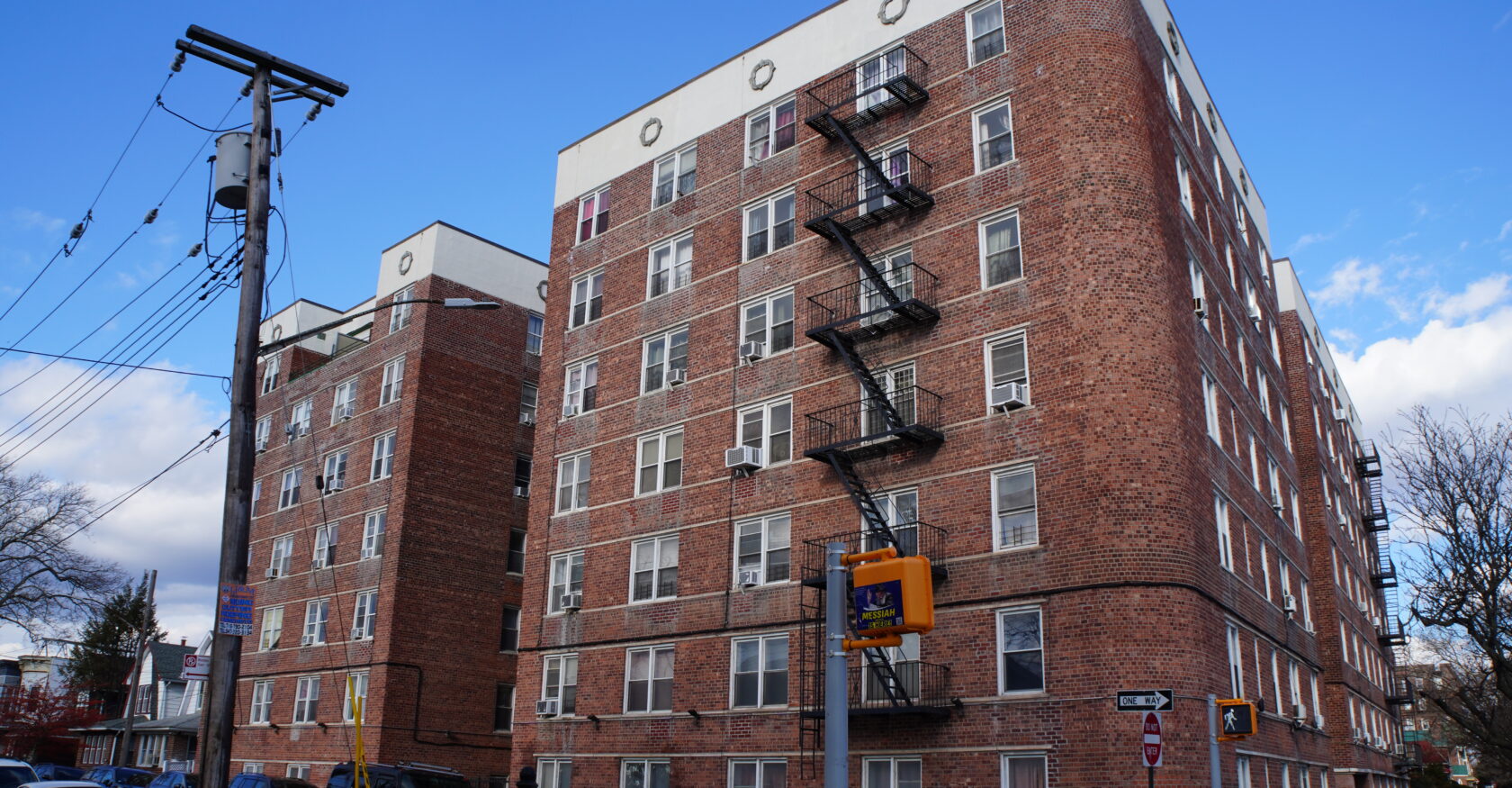













Down a busy street in Brooklyn, past the smell of hibiscus seeping from the Nouri Halal Meat Market and the thrum of prayer from Masjid At-Taqwa, behind a carpeted shop and down a narrow corridor is the Rakoobah.
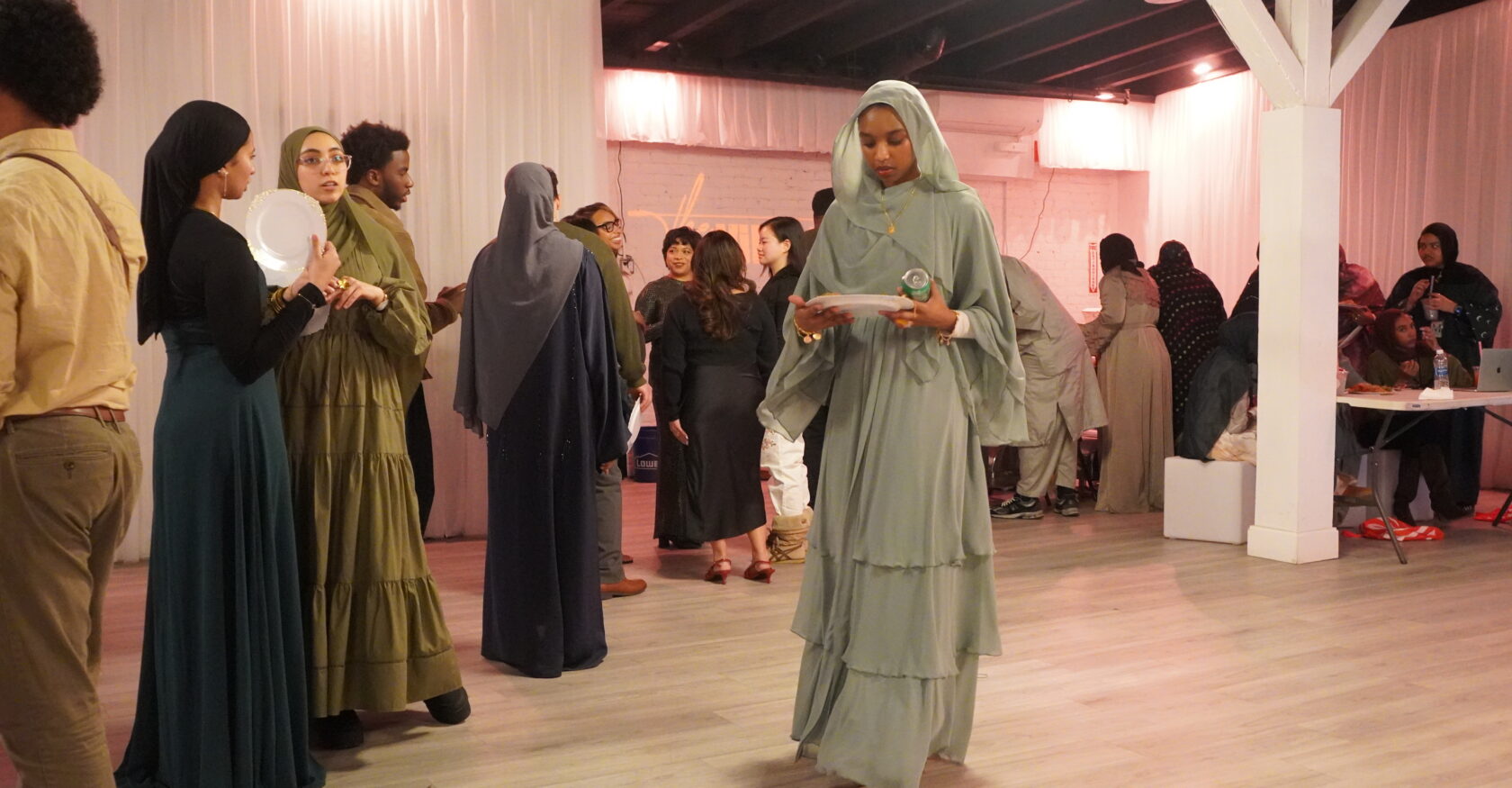
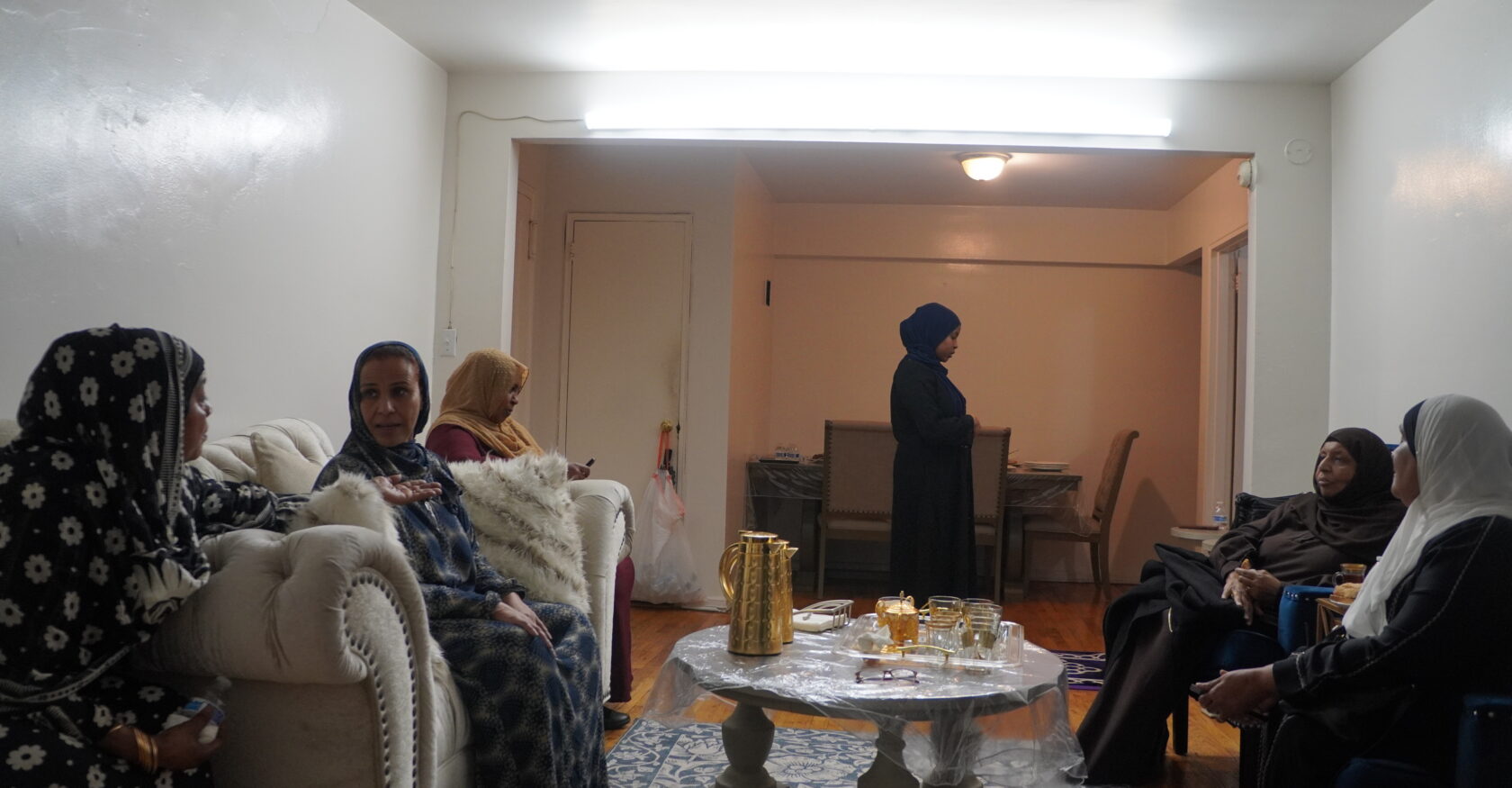
For 25 years, this cramped space tucked behind a travel agency in the Bedford-Stuyvesant neighborhood of New York City was a sanctuary for Sudanese who fled decades of civil war and genocide. The Rakoobah functioned as an unofficial gathering space, managed by the shop owner for the benefit of the community. It was a place to cook, to rest, to pray, to share stories. During Ramadan, it became a gathering point where strangers broke fast as family.
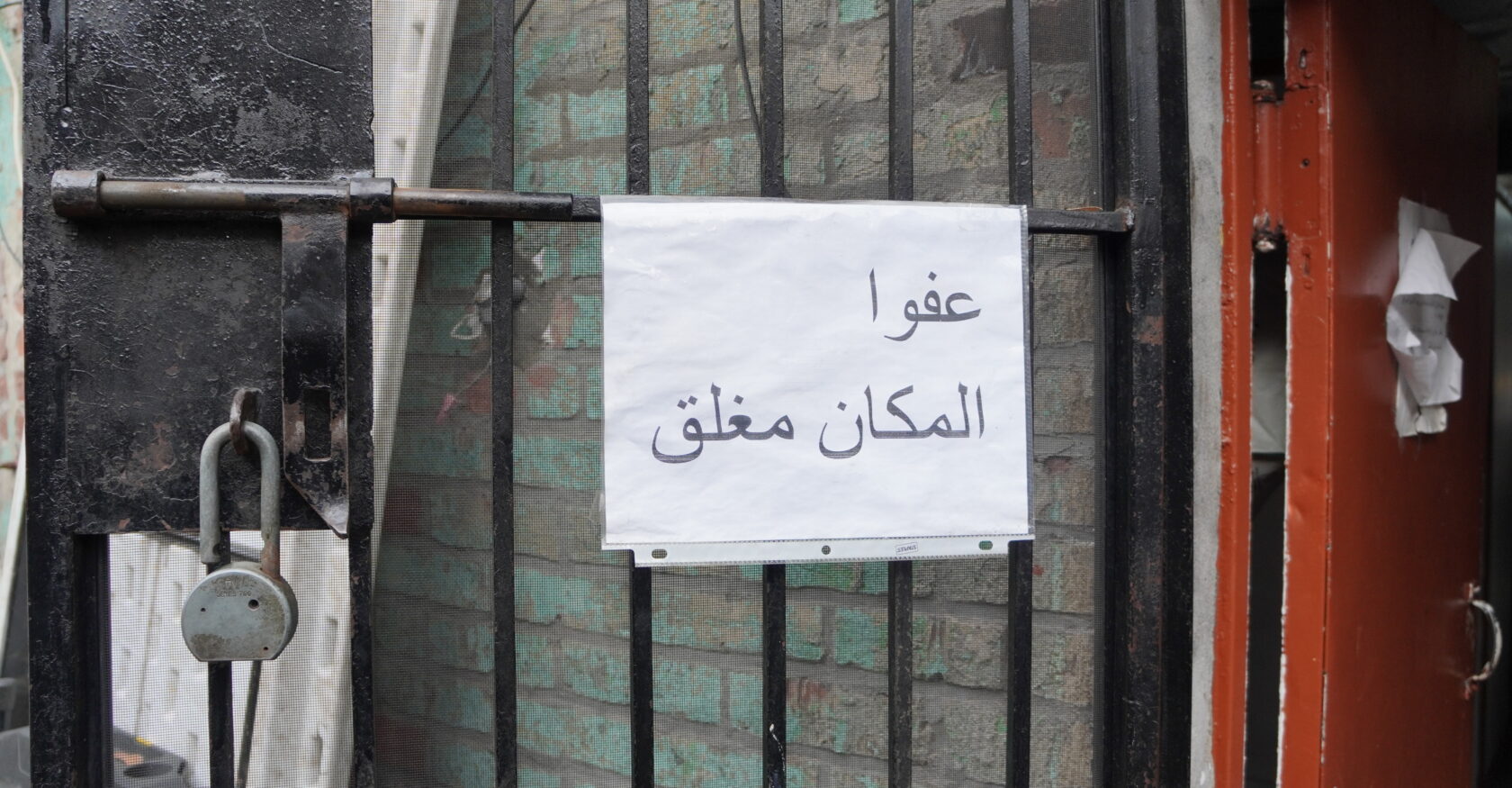
Now, outside, a sign on the wrought-iron gate reads in Arabic: “Sorry, closed.”
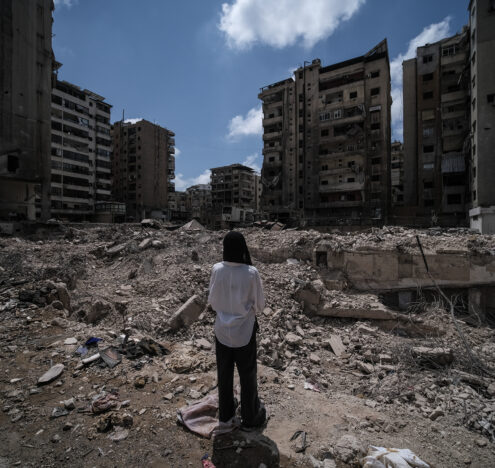
Sudan currently faces one of the bloodiest wars in the world. Over 14 million people have been displaced since the renewed outbreak of fighting in 2023. But in Brooklyn, Galal Eltayeib, a Sudanese immigrant who oversees the Rakoobah, says it has become too risky to keep it open. “Large groups attract the wrong attention,” Eltayeib said.
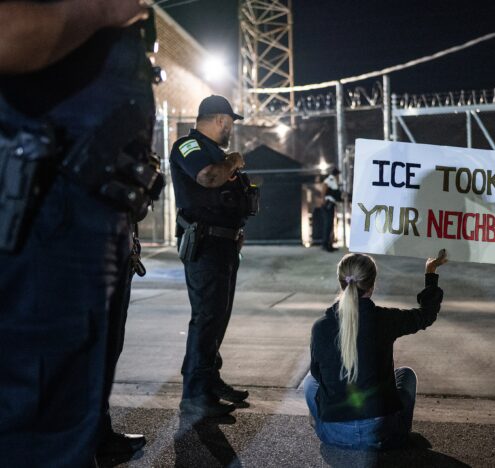
Trump administration policies have transformed a country that once welcomed refugees into one that is pushing them out — and turning them away entirely. The surge in federal immigration enforcement has reshaped daily life for many immigrant communities. Eltayeib says he closed the Rakoobah in January 2026, seeing it as the safest way to protect the people who rely on it.
Trump suspended the US Refugee Admissions Program in January 2025, and by that June, barred the entry of Sudanese nationals altogether. “No Sudanese are allowed to enter under any circumstance,” said Maisoun Sulfab, a Sudanese-American immigration attorney. Meanwhile, both Republican and Democratic leaders have labeled the violence in Sudan genocide.
In 2019, the United States was experiencing its highest level of immigration since 1910, at 14% of the general population, according to the Migration Policy Institute. “The system is not coping,” said Rosalie Wells from The Center for Migration Studies of New York. And between May 2024 and April 2025, the United States issued 8,427 visas to Sudanese nationals, according to data from the Council on Foreign Relations. Then came the ban.
In Trump’s view, strict immigration control is necessary to protect America. His administration has argued that enforcement ensures Americans — and America — come first. The goal, according to the White House, is to “keep immigration levels, measured by population share, within historical norms.”
Siddig, a Sudanese refugee who asked to be identified only by his first name, arrived in America just in time
In April 2023, as fighting broke out in the capital Khartoum between the Rapid Support Forces (RSF) and the Sudanese Armed Forces (SAF), Siddig’s family’s supermarket was destroyed. After hearing a nearby explosion, he said he grabbed a shovel and began digging graves. While the fighting continued over the coming months, he continued this morbid task, carrying dead civilians to bury them around Khartoum.
In September 2023, he was arrested and tortured for seven days by the SAF on suspicion of being an RSF spy. He decided to flee.
“I cannot stay here just watching the war,” he told his father. “I have to make it — or try to make it and die.”
Over eight months, crossing 11 countries and three continents alone, Siddig made his way from Sudan toward the United States.
“If I die, I die. If I live, I live,” he thought.
He arrived in May 2024 and was among the last 10,000 Sudanese refugees to be granted refugee status.
Refugee admissions in the United States have long fluctuated with presidential priorities. In 2016, President Barack Obama raised refugee admissions to 85,000 as the Syrian civil war displaced millions. By contrast, following Trump’s return to office, the cap for fiscal year 2026 was set to 7,500 in October 2025. Administration officials have said that white Afrikaners in South Africa, who they contend face discrimination and violence, will receive admission priority.
“White South Africans are not refugees,” said Bernadette Ludwig, a sociologist and professor at the New School who studies migration. Ludwig’s research focuses on how American immigration policy is historically shaped by political lobbying and racial biases, often prioritizing Eastern European and Asian refugees over those from African nations.
In January 2026, the Trump administration announced that it would indefinitely freeze visa processing for people coming from 75 countries. Thirty-eight nations now face full or partial travel restrictions. Only eight of these countries are outside of Africa.
“It’s the crescendo,” Ludwig said of the current restrictions. “He’s doing it to drive his ‘Make America Great Again’ campaign, which is to ‘Make America White Again.’”
Deportations have surged, according to the Department of Homeland Security (DHS). In December 2025, DHS said it was “shattering historic records” with more than 605,000 deportations overall since Trump took office, and another 1.9 million leaving the country.