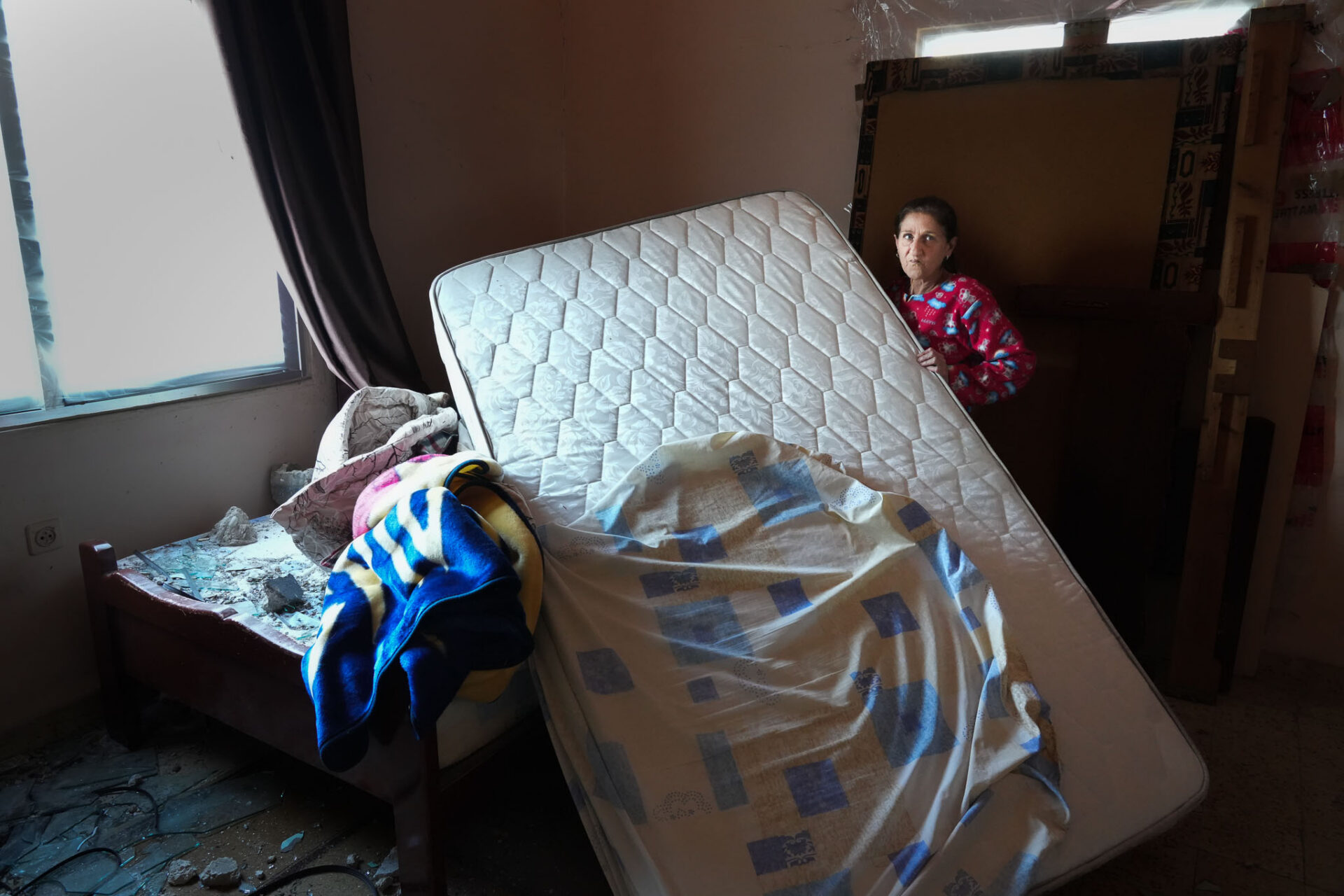
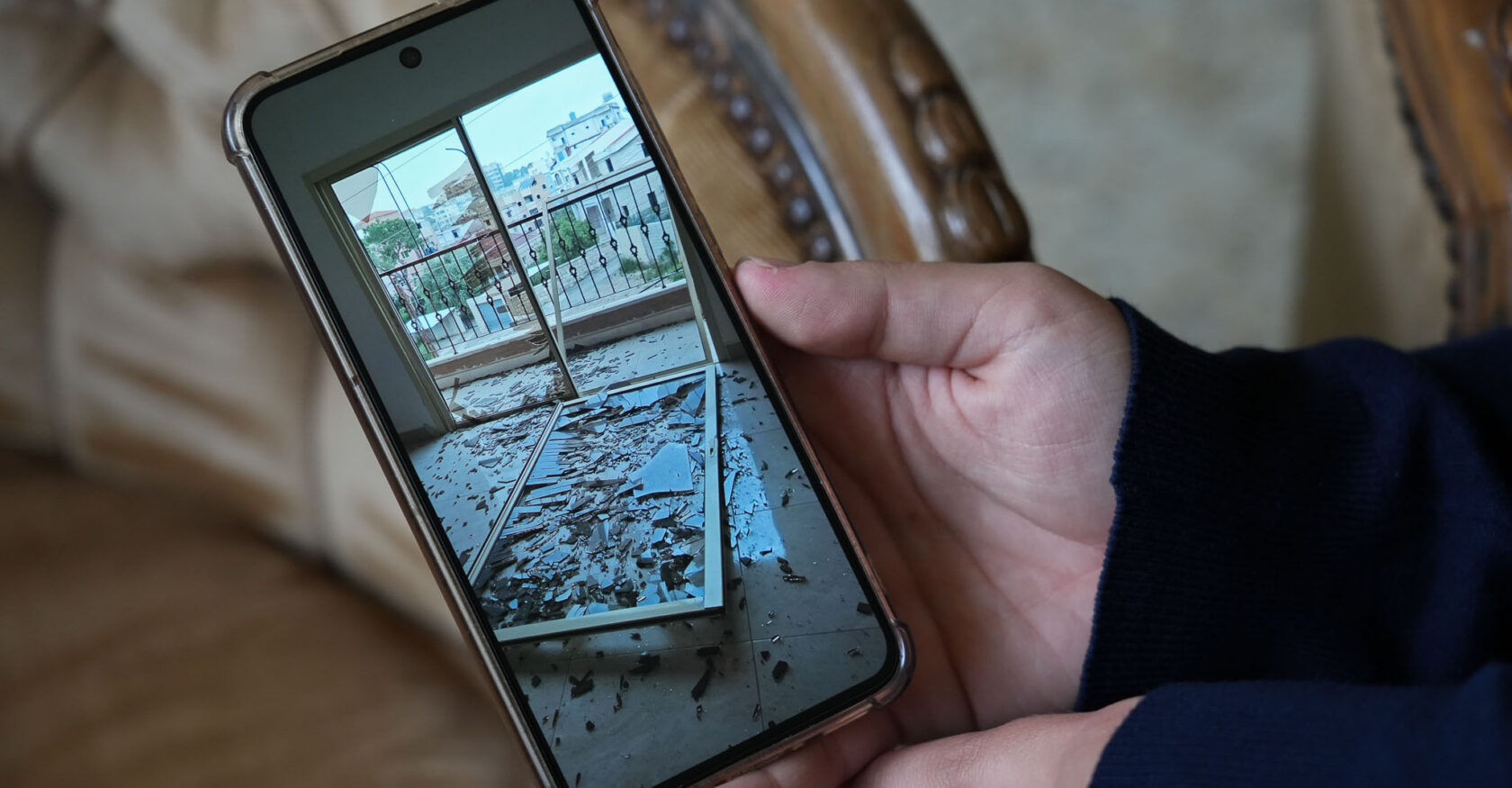
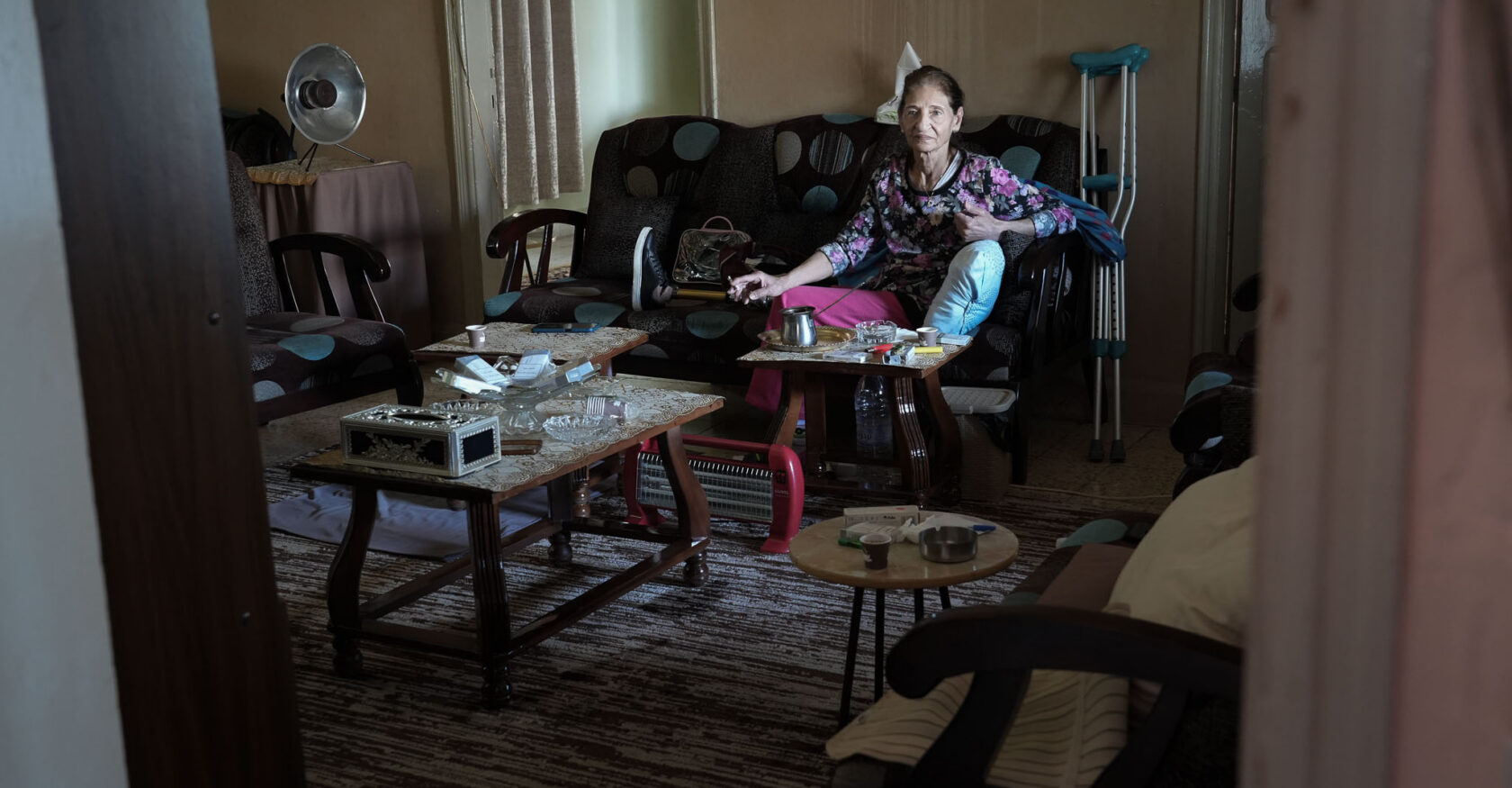
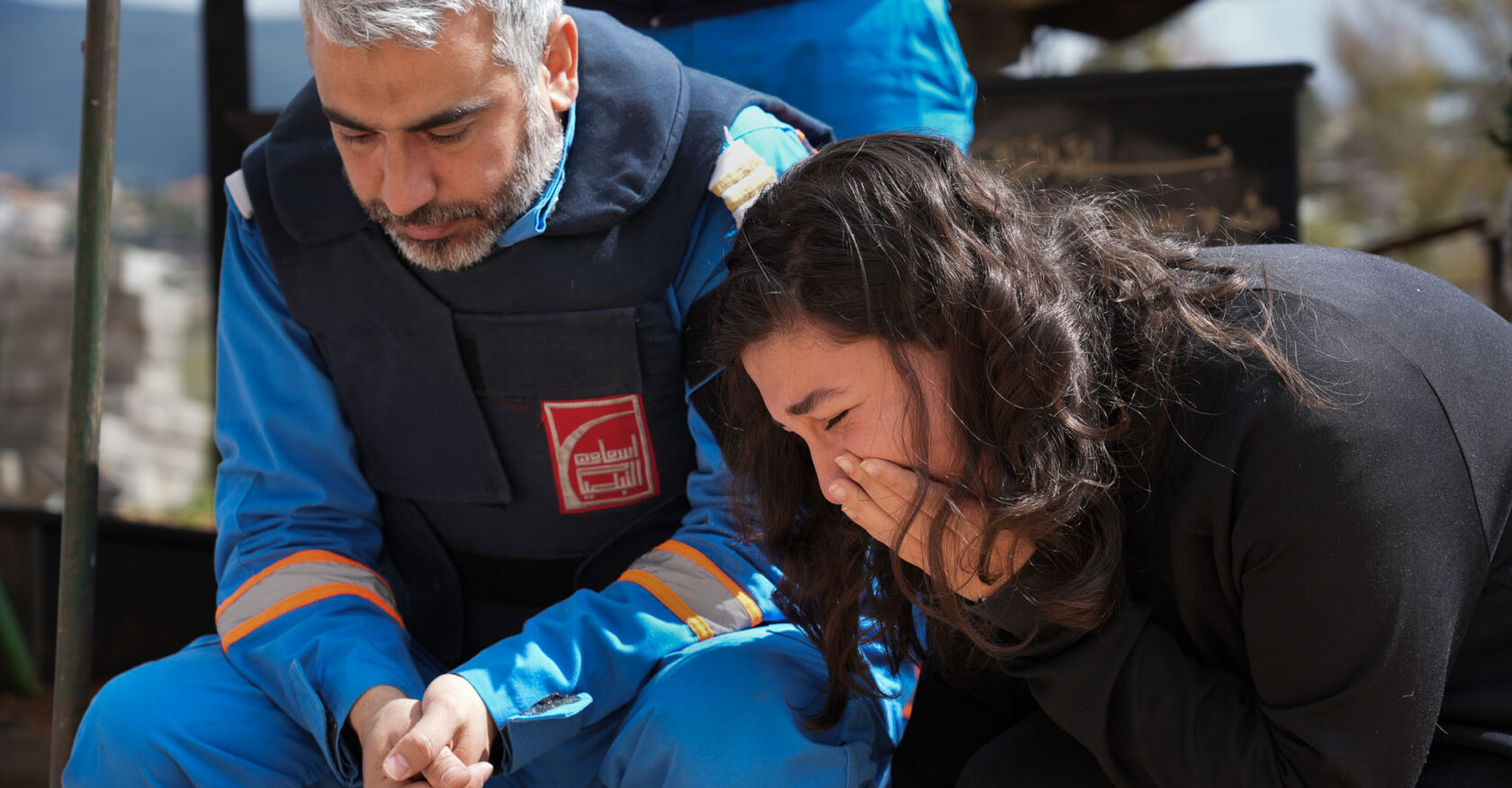
“We still have neighbors who live above us and next to us,” Nadia told me during the height of the war. “If they were to leave then maybe we wouldn’t stay. Everybody here takes care of each other.”
In south Lebanon, the notion of home is inseparable from the land and the communities it sustains. Years of Israeli aggression have forged a collective resolve among residents to remain rooted there. From nearly two decades of occupation (1982-2000) to the catastrophic 2006 war, generations have endured cycles of displacement, grief, and return that have deepened their attachment to home.
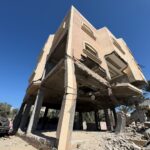
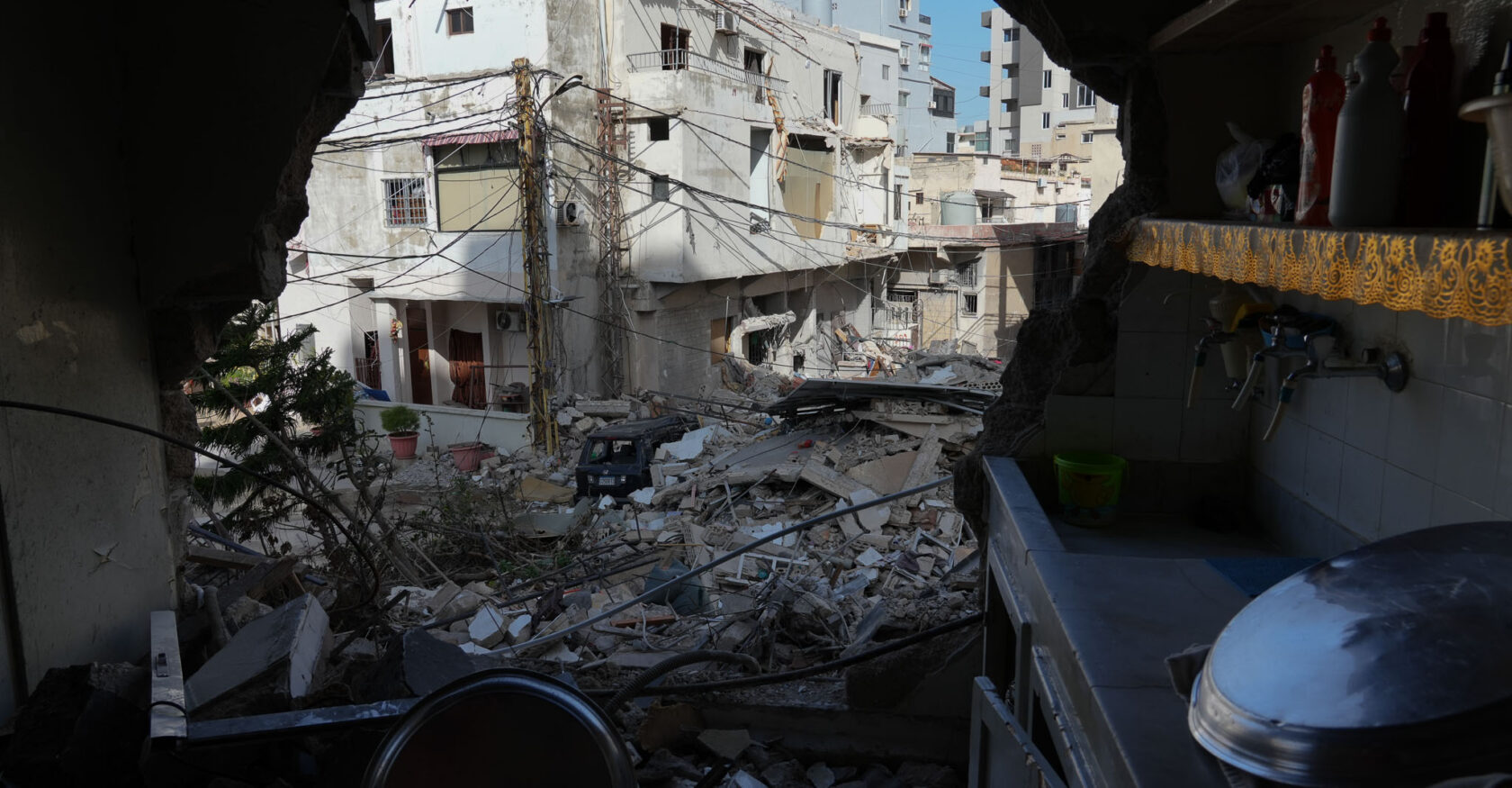
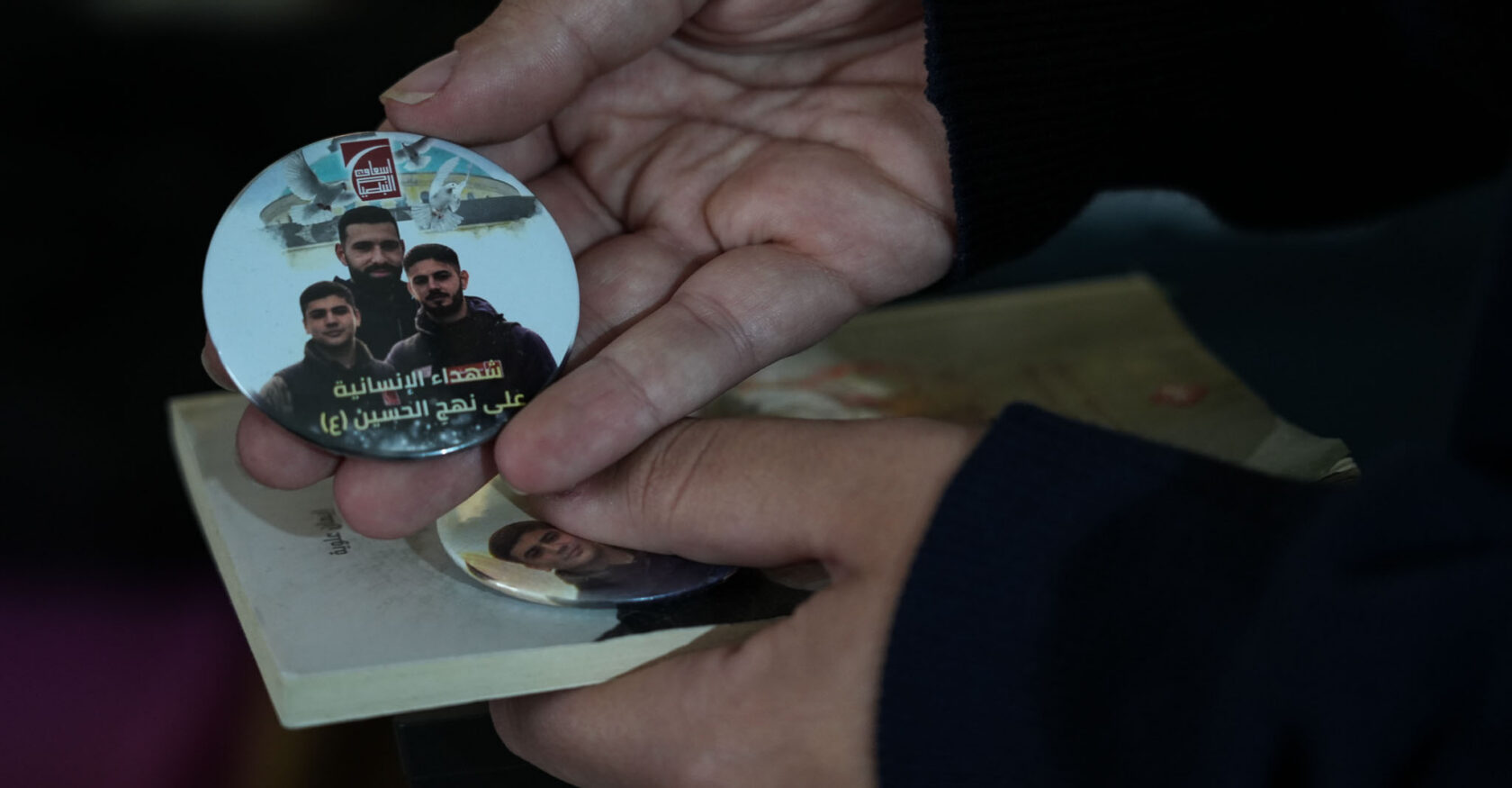
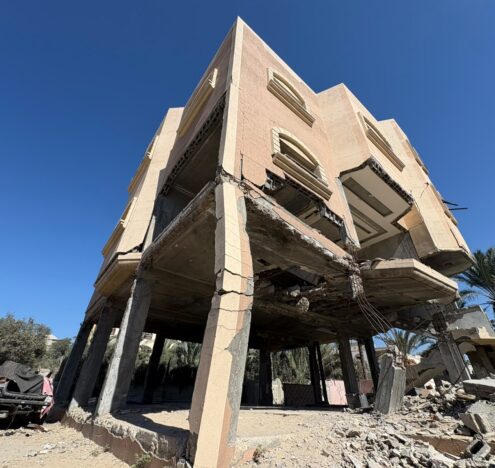
The latest cycle began during the early onslaught of the US-Israeli war on Iran, when Israel escalated its war on south Lebanon on March 2, ostensibly to weaken the Shia militant group Hezbollah. It has since destroyed civilian infrastructure such as hospitals, solar panels, and water systems. It has also poisoned south Lebanon with white phosphorus, an incendiary substance that burns farmland and contaminates water and soil. All the while, Israel has consolidated its occupation over dozens of villages after razing them to the ground.
Many in south Lebanon view Israel’s occupation and scorched-earth tactics as another attempt to sever their connection to their land. For Nadia, that prospect is unthinkable. “Tyre will always be my home and my city,” she says.
The latest war uprooted some 1.2 million people from predominantly Shia Muslim communities, who form the majority of Hezbollah’s base. Some returned following the United States ceasefire with Iran on June 18. More returned after Lebanon signed the Trilateral Framework Agreement with Israel days later. Both ceasefires have failed to protect civilians in south Lebanon.
Tens of thousands of people remain displaced from a nearly 20-kilometer wide (around 12.4 mile) strip of land, which amounts to about a fifth of Lebanon’s territory. Israeli forces have emptied this zone of its inhabitants, continuing to fire on or kill anyone attempting to return. They also continue to bomb civilian targets across south Lebanon, even as fighting has somewhat simmered down.
Meanwhile, the Framework deal has done little to inspire hope, as it ties a full Israeli withdrawal to the Lebanese government disarming Hezbollah — a task it is ill-equipped to carry out. During a visit to the occupied villages, Israel’s Prime Minister Benjamin Netanyahu reiterated that Israel will not withdraw until the “threat [of Hezbollah] is removed.” Neither he nor Israeli military officials have defined what that means, raising fears of an indefinite occupation.
“Everybody here takes care of each other.” – Nadia Arnaout
That fear was already evident when I visited Tyre in April. Israeli troops were just 15 kilometers (9.3 miles) from the city, and Nadia and Marvet had little money to rent an apartment elsewhere. Their siblings were squeezed for space from hosting displaced relatives while Lebanon’s 625 state-run school shelters were at full capacity.
All the while, Nadia and Marvet increasingly felt like strangers in their land. War had turned the ancient Phoenician city into a ghost town: The once bustling fish markets and crowded beaches were empty while most shops and stores were shuttered. Nadia struggled to sleep due to overwhelming stress. She worried that she would miss an evacuation warning if she dozed off and trembled when warplanes and drones flew overhead. The thud of nearby artillery sometimes echoed through the house, frightening Nadia. Marvet tried to console her with hugs and a sense of humor, often making funny faces to lighten the mood.
“I’m not scared, but I’m scared for my sister,” Marvet told me when I visited them during the fighting. “This is why I’m always trying to make her laugh. I want to raise her morale and get her mind off the war.”
While Nadia and Marvet stayed at home during the first weeks of the war, others sought refuge further north. Taleen Yassine, 19, hastily escaped the southern city of Nabatieh with her younger brother, her parents and the family dog. Nabatieh was under daily Israeli bombardment, so they headed to the Christian-majority village of Fiaa al-Koura, the same place her parents had fled to during the 2006 war. At the time, Taleen was still in her mother’s womb.
During the final hours of that 34-day war, Israel dropped between two to four million cluster munitions on southern Lebanon ahead of a ceasefire. The United Nations later dispatched a team to help the Lebanese army demine. Yet in the ensuing years, farmers, shepherds, and small children were killed or wounded by these munitions, which are prohibited under international law. Taleen was born into a world laced with explosives.
The latest war dragged on longer than the one in 2006. And while the people of Fiaa al-Koura welcomed Taleen and her family with open arms, they longed to return to Nabatieh. “We are very connected to our land. Maybe it’s because so many of us lived through wars against Israel while the rest of us grew up understanding that Israel always threatened to take our land,” Taleen told me when I visited her up north during the worst of the fighting.