




More than a year has passed since Dominican President Luis Abinader announced a plan to deport a quota of 10,000 undocumented Haitians per week, provoking sharp criticism from human rights organizations, including Amnesty International. For Haitians fleeing their country, where gang violence has displaced more than 1.4 million people in 2025, life in the neighboring Dominican Republic has become defined by constant fear. “The past year has been terrible for our community,” Edwin Paraison, former minister for Haitians abroad and founder of the Foundation Zile, which specializes in Haitian-Dominican relations, said in an interview.
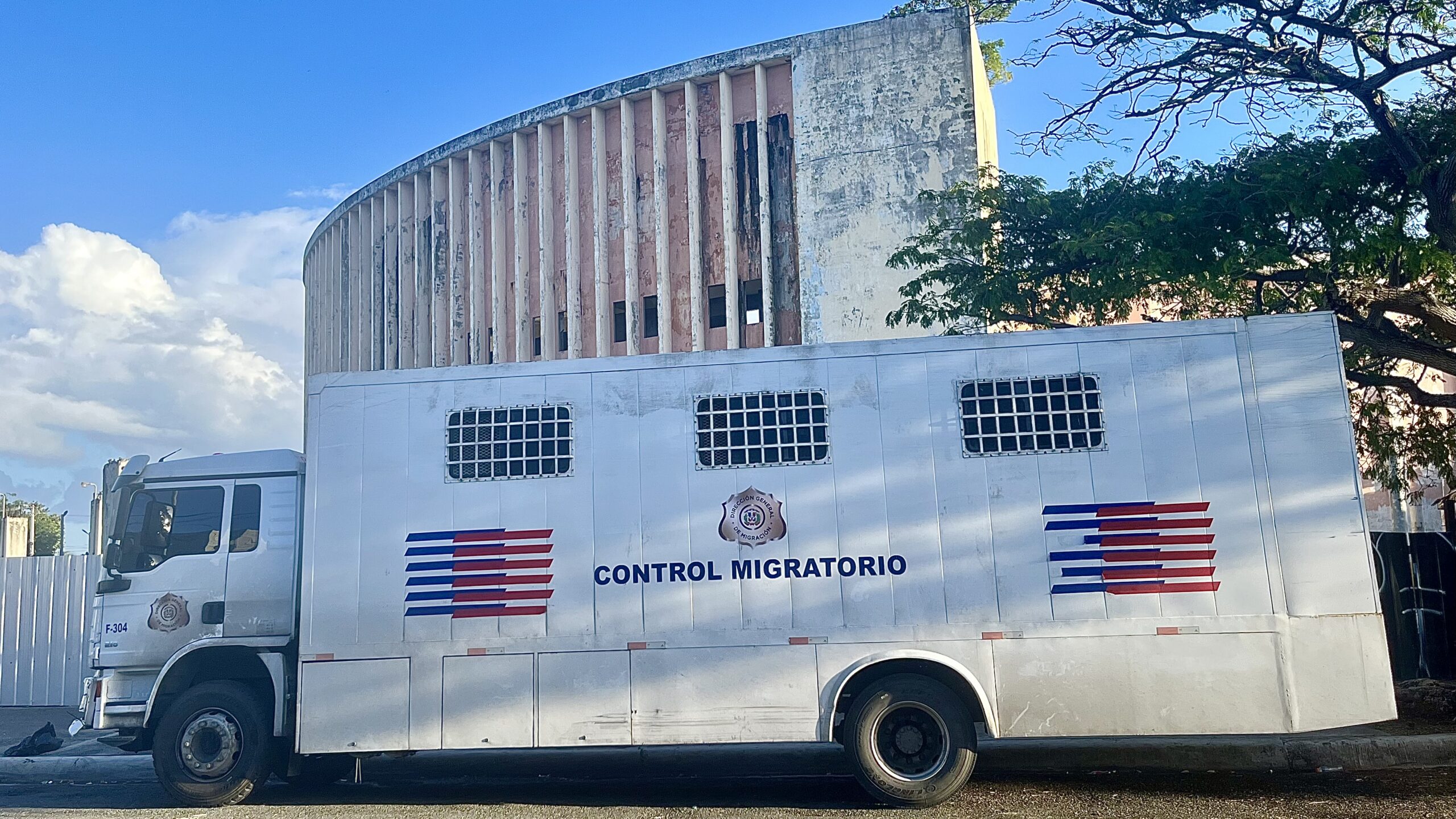
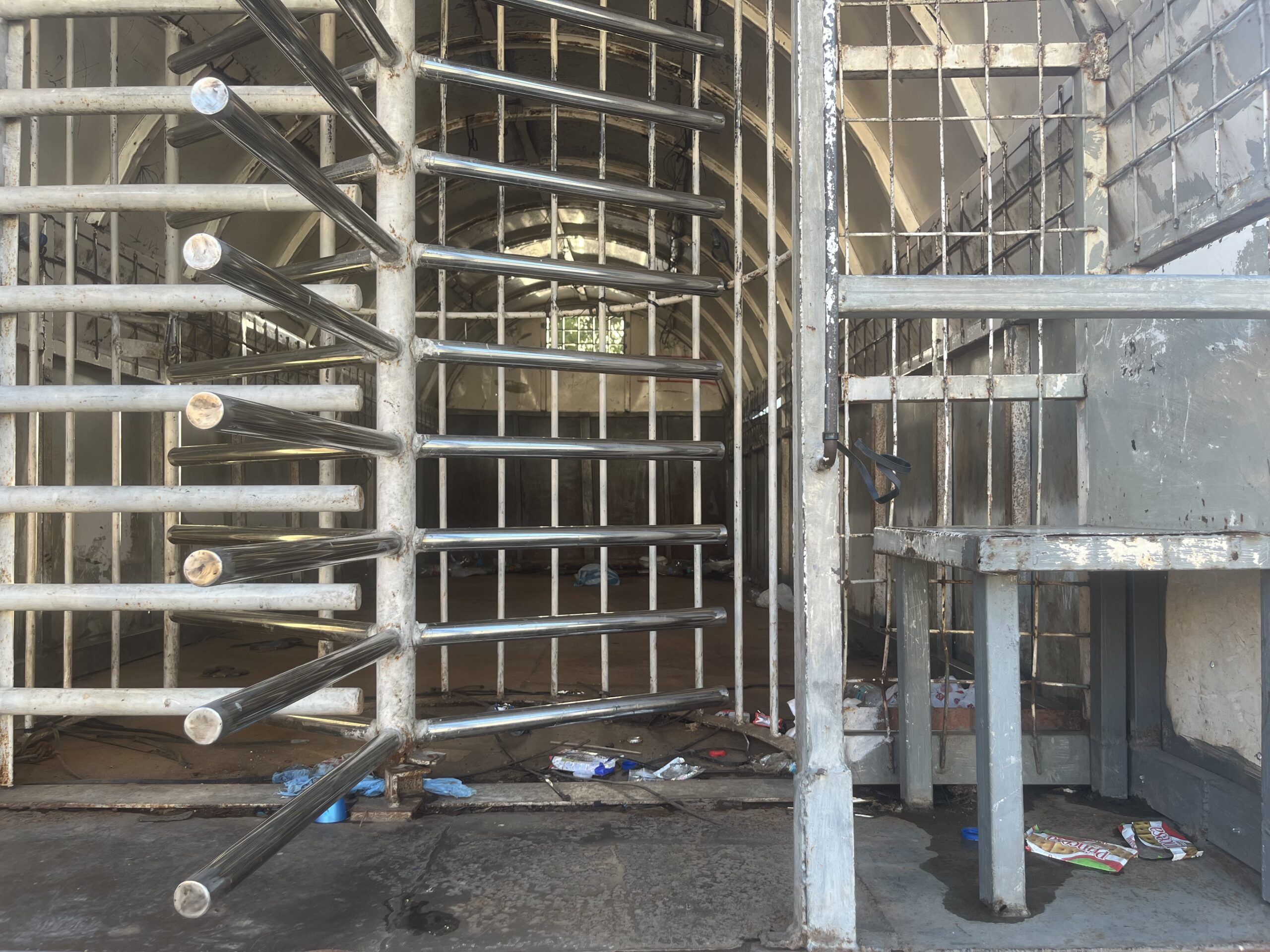
With daily raids carried out by agents of the General Directorate of Migration in the streets, workplaces, churches, and even inside homes, many have been pushed into living clandestinely. “Some of our compatriots leave for work as early as three or four in the morning, only to spend hours waiting for the day to begin,” Paraison added.
Human rights organizations criticize this immigration policy, saying it relies on racial profiling and arbitrary detention. The policy disproportionately targets individuals assumed to be Haitian because of their skin color, regardless of their legal status, and also affects Black Dominicans.
Tiboss,* 25, a barber, and Maya,* 37, a housekeeper, who both requested to be identified by a pseudonym to protect their identities, are among the Haitians living in the Dominican Republic. Although they have never met, their experiences reflect the same political reality between these neighboring countries that share the Caribbean island of Hispaniola.