

Skip to content
Sudan War Nuba Mountains

In Sudan’s Nuba Mountains, Hospitals Come Under Fire

Escalating attacks on healthcare and new alliances are deepening fear as Sudan’s war enters its third year.

Words: Buster Emil Kirchner & Marco Simoncelli
Pictures: Marco Simoncelli
Date:

A heavy stench of infection and sweat permeates the ward, and a single light bulb dangles from the ceiling. Cobwebs have long since overtaken the defunct ventilation system, which does little to relieve the ward’s claustrophobic heat. 

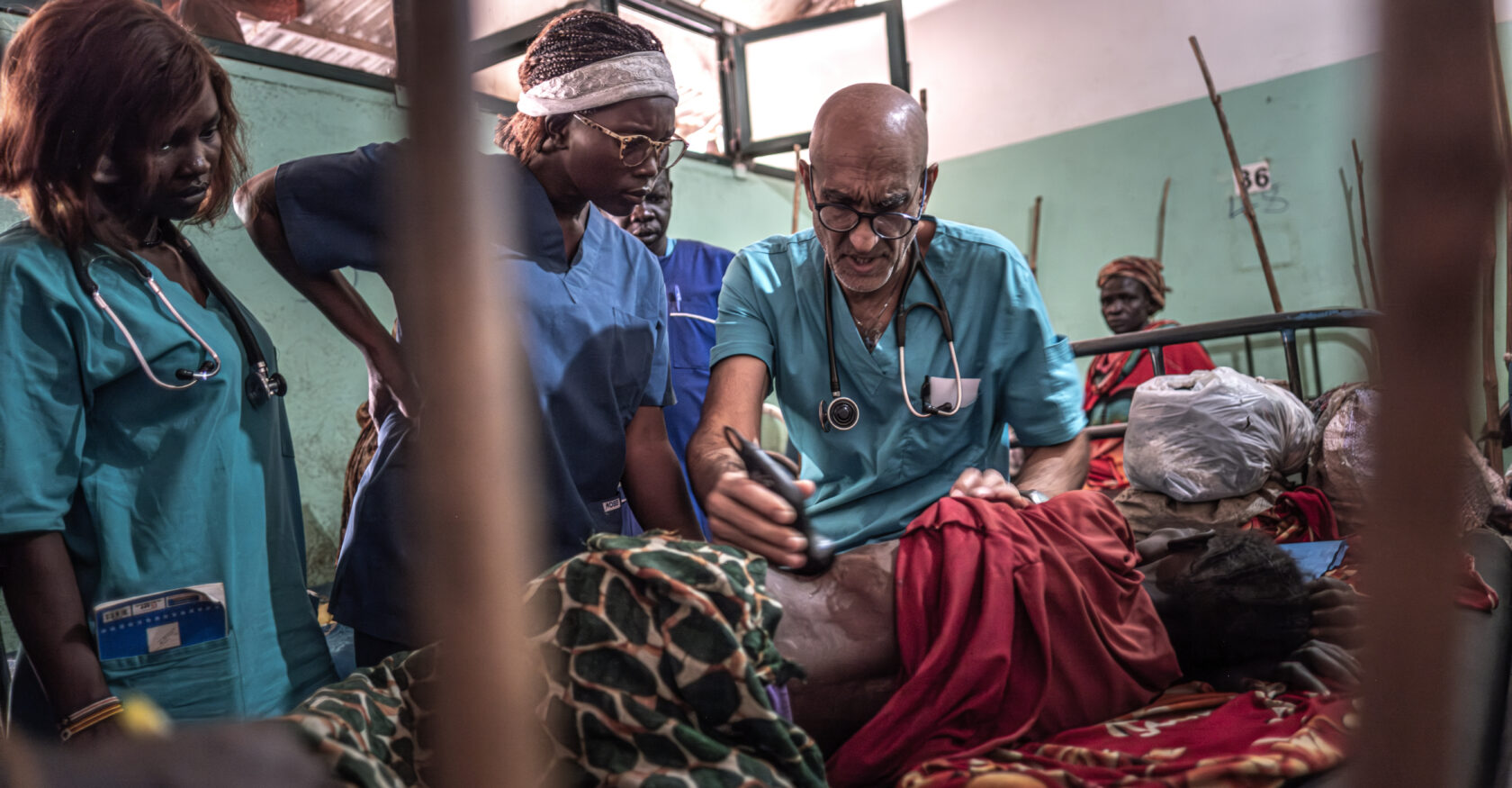
“Here, a surgeon must know how to treat any kind of problem: from gunshot wounds to fractures to tumors,” says Dr. Tom Catena, founder and chief physician at Mother of Mercy Hospital in South Kordofan, Sudan, as he begins his morning rounds. “Every day is a real struggle.” In the Nuba Mountains, one of Sudan’s most isolated and inaccessible regions, Catena’s hospital is a rarity as a referral surgical hospital. It serves the surrounding population, including recently wounded individuals from the front lines of the Sudan war in South Kordofan.

The current war broke out on April 15, 2023, between the Sudanese Armed Forces (SAF), under Abdel Fattah al-Burhan, and the Rapid Support Forces (RSF), under Mohamed Hamdan Dagalo. The RSF evolved from the infamous Janjaweed militia that carried out atrocities in the Darfur War. Once funded by Omar al-Bashir, Sudan’s longtime dictator who held power from 1989 through 2019 and at times used the RSF as a paramilitary force, the RSF eventually turned on Bashir and allied with the SAF to oust him in the 2019 coup. However, relationships between the SAF and the RSF failed to coalesce. The following years saw stalled transitional plans to integrate RSF troops, and the groups have fought one another directly in the current phase of the conflict since 2023. 

The UN describes the Sudan conflict as “one of the worst humanitarian crises of the 21st century.” Over 12.4 million people have been displaced, and tens of thousands have died. After three years of brutal war, Sudan’s health system has largely collapsed, with most facilities in conflict areas no longer operational. 

Sudan War Nuba Mountains
A woman waits in pain inside one of the wards at Mother of Mercy Hospital, the largest medical facility in SPLM-N-controlled areas, in Gidel, Nuba Mountains, South Kordofan, Sudan, March 16, 2026 (© Marco Simoncelli)
Sudan War Nuba Mountains
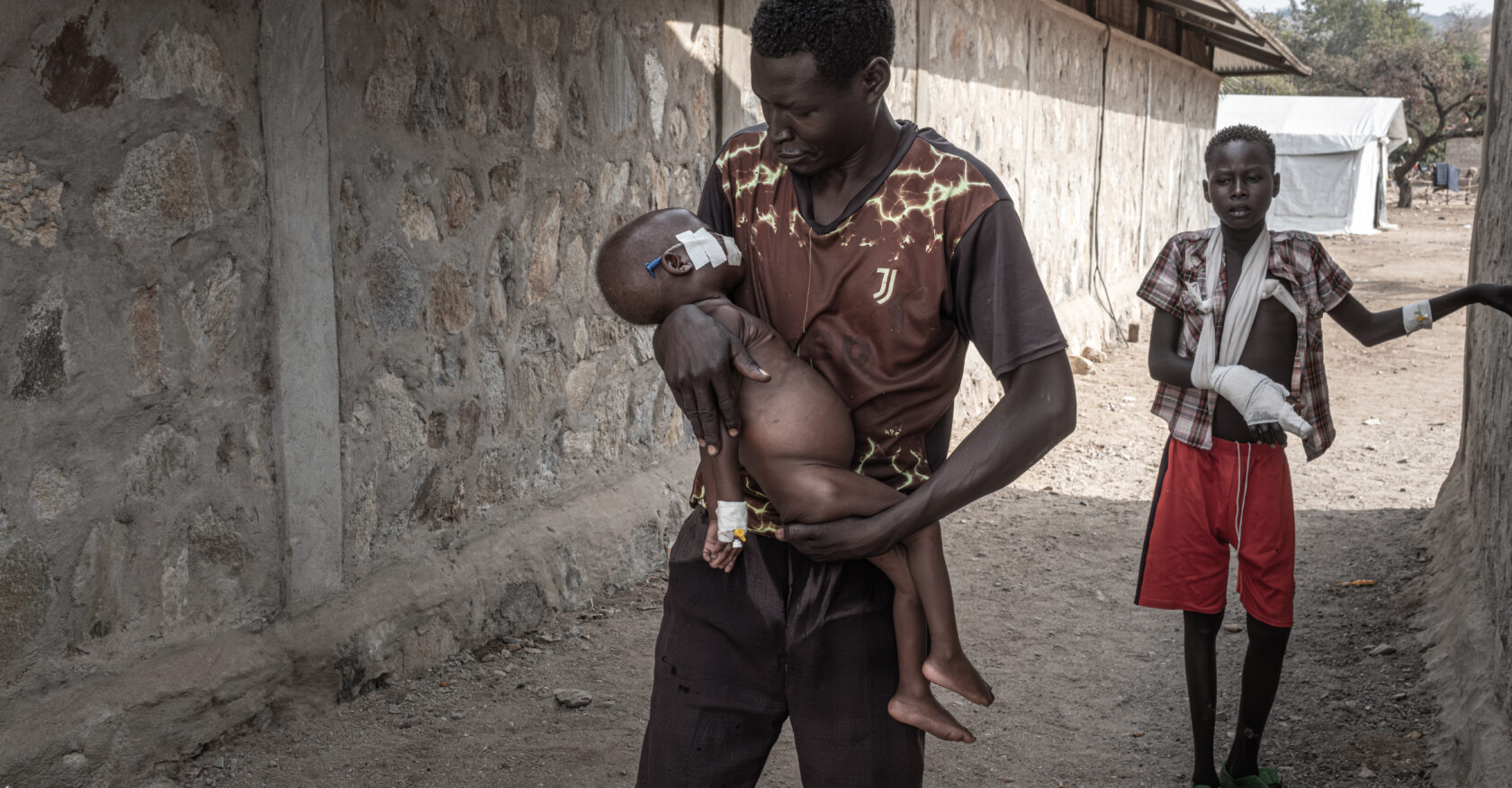
A man carries his severely malnourished child inside Mother of Mercy Hospital in Gidel, Nuba Mountains, South Kordofan, Sudan, March 16, 2026 (© Marco Simoncelli)
Sudan War Nuba Mountains
Dr. Tom Catena attends to patients inside Mother of Mercy Hospital in Gidel, Nuba Mountains, South Kordofan, Sudan, March 17, 2026 (© Marco Simoncelli)
Sudan War Nuba Mountains
Dozens of patients lie on hospital beds awaiting medical treatment, many of them wounded in the conflict, inside Mother of Mercy Hospital in Gidel, Nuba Mountains, South Kordofan, Sudan, March 16, 2026 (© Marco Simoncelli)

It is not unusual, Catena says, for patients to walk up to three days to reach Mother of Mercy Hospital. The hospital offers dental care, eye surgery, physiotherapy, and a range of advanced treatment methods. The hospital’s remote location also presents unique challenges, Catena explains. “There is virtually no phone connection here, so you can’t just call an ambulance. Starlink started appearing, but the authorities have since banned it after the fighting escalated.”

Sudan’s hospitals are increasingly a war target. On April 2, RSF attacked a hospital in White Nile state, south of the capital Khartoum. Ten people died, and at least twice as many sustained injuries. The attack was reportedly in retaliation for an SAF strike a week prior that killed 70 people at an RSF-controlled hospital in eastern Darfur, the militia’s stronghold.

Since the outbreak of the Sudan war, the World Health Organization (WHO) has recorded 214 attacks on healthcare facilities. In the first quarter of 2026 alone, 184 people have died as a result.

Attacks on hospitals should be understood in a broader context, says Jalale Getachew Birru, Senior Analyst at Armed Conflict Location & Event Data Project (ACLED). “It’s not only hospitals that are at risk. Public infrastructure is generally targeted by both sides. This includes energy infrastructure, refugee camps, and schools,” Birru said. She outlines two factors that explain why hospitals have become deliberate targets. “The primary aim is to cause insecurity in areas controlled by the enemy. The second is that most attacks [on hospitals] occur immediately after major military confrontations. Whenever a soldier is injured, he’ll definitely go to hospital, so it’s also about inflicting a second round of damage to him there.”

Sudan War Nuba Mountains
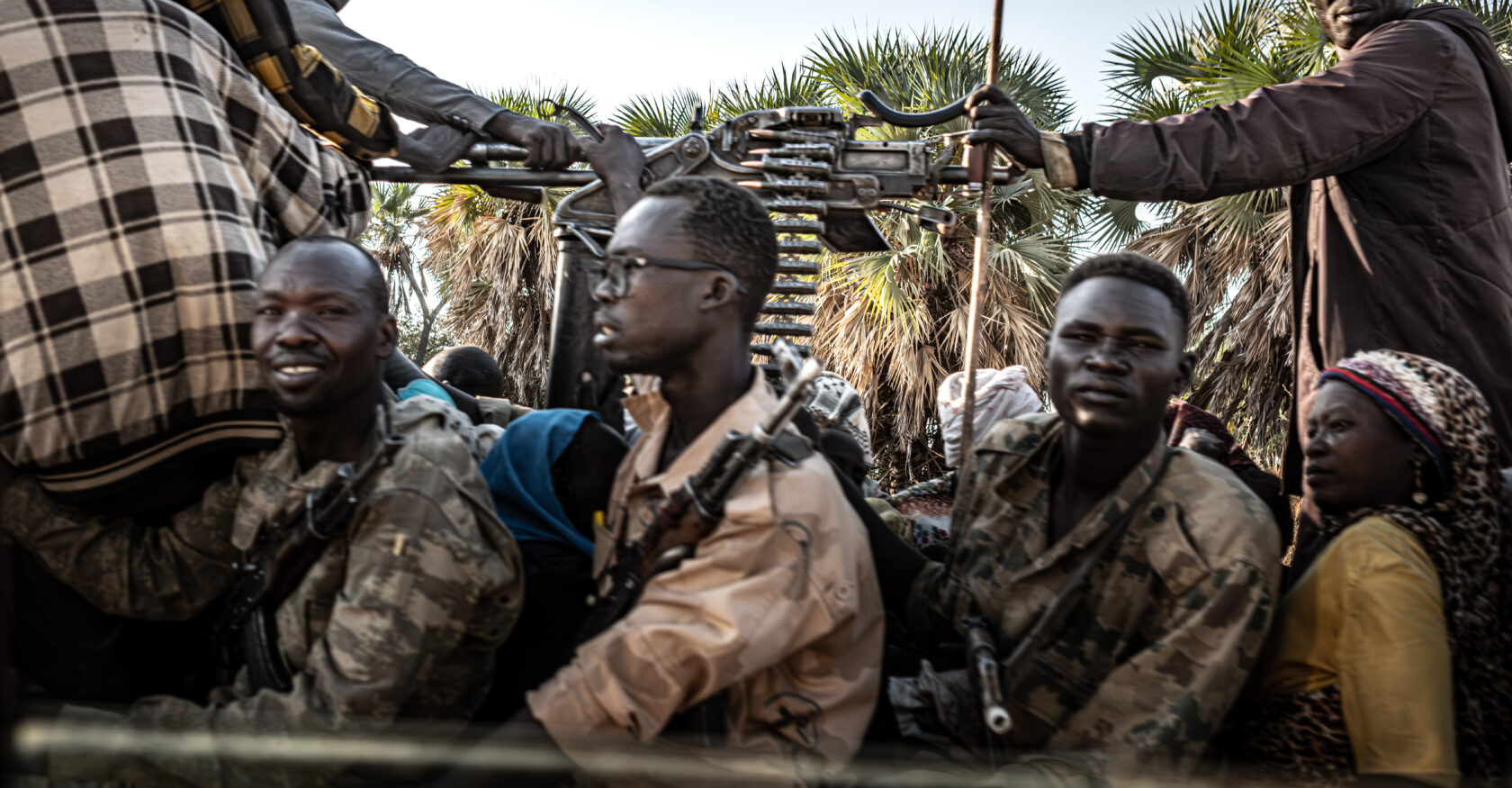
A group of SPLM-N fighters travel on an armed pickup truck along the main road linking the Nuba Mountains to the border with South Sudan, Nuba Mountains, South Kordofan, Sudan, March 14, 2026 (© Marco Simoncelli)
Sudan War Nuba Mountains
Ramzy Hassan walks down a rocky mountainside accompanied by several schoolchildren from Heiban County Primary School, Nuba Mountains, South Kordofan, Sudan, March 15, 2026 (© Marco Simoncelli)
Sudan War Nuba Mountains
Alima Hanoor Hanis, a young woman recently arrived from Dilling who has not yet received a shelter, stands in an IDP camp near Umm Dulo, Nuba Mountains, South Kordofan, Sudan, March 18, 2026 (© Marco Simoncelli)
Sudan War Nuba Mountains
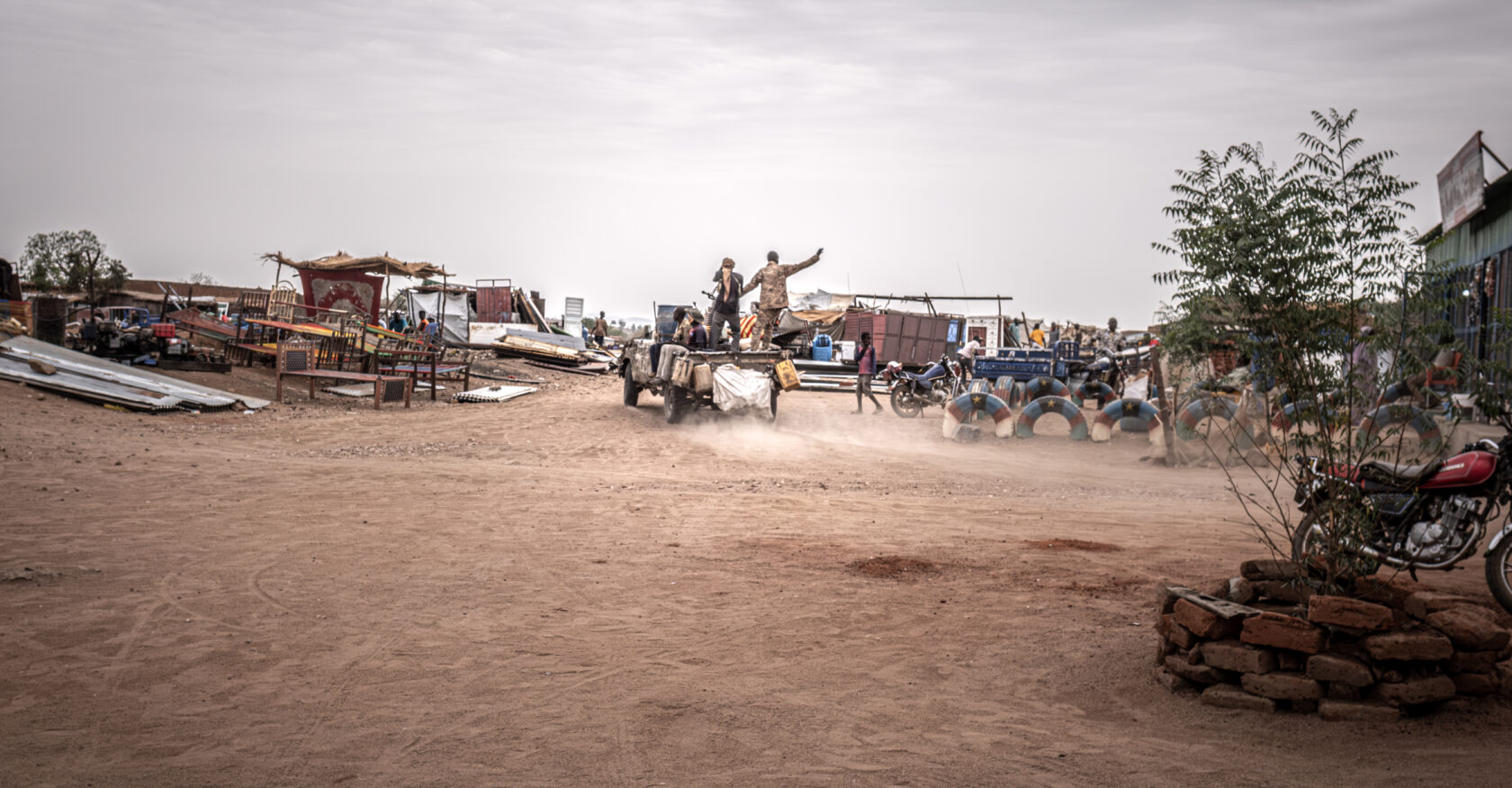
An armoured pickup truck carrying RSF fighters drives through a town in the Umm Dulo area, Nuba Mountains, South Kordofan, Sudan, March 18, 2026 (© Marco Simoncelli)
Sudan War Nuba Mountains
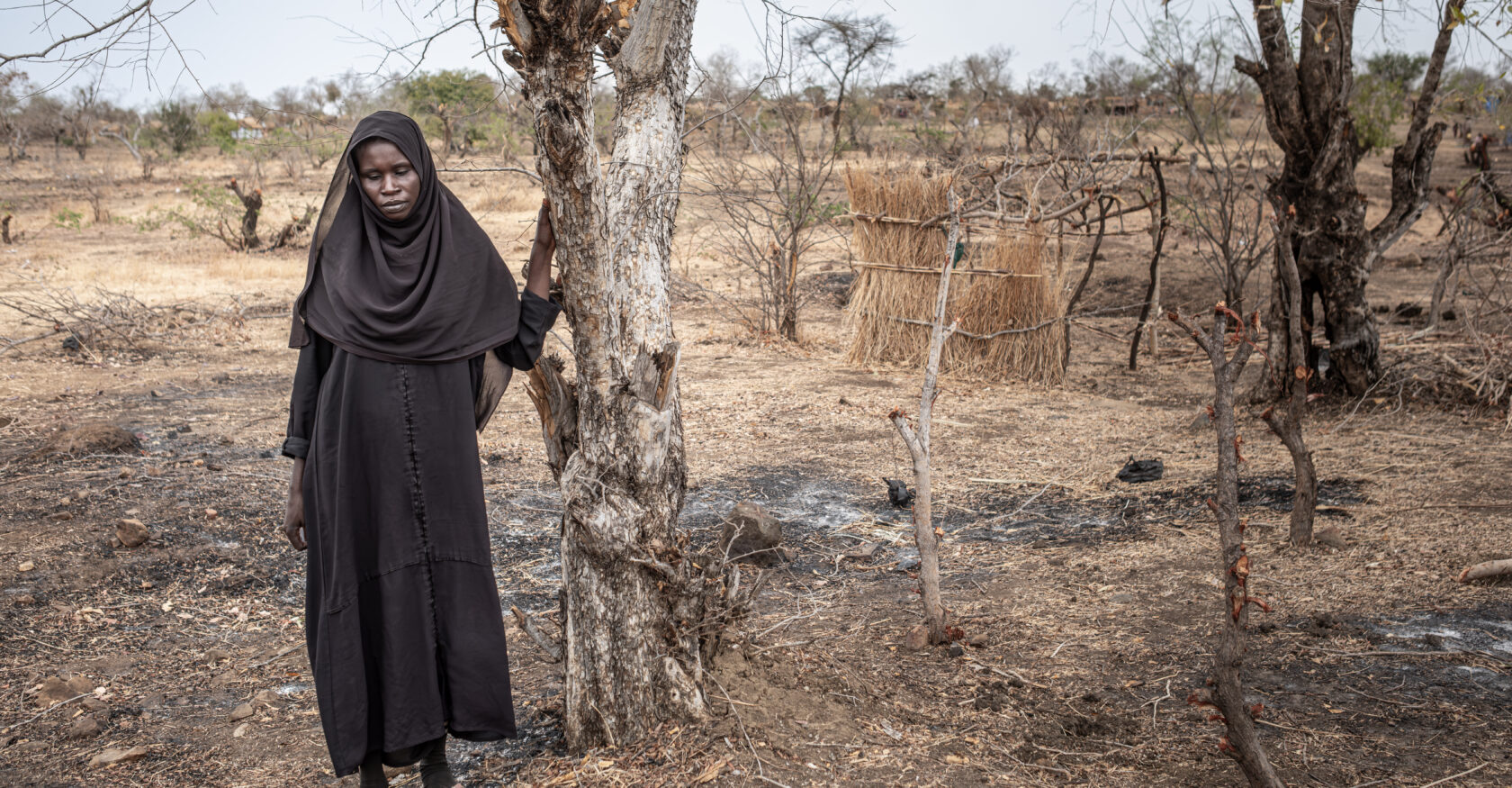
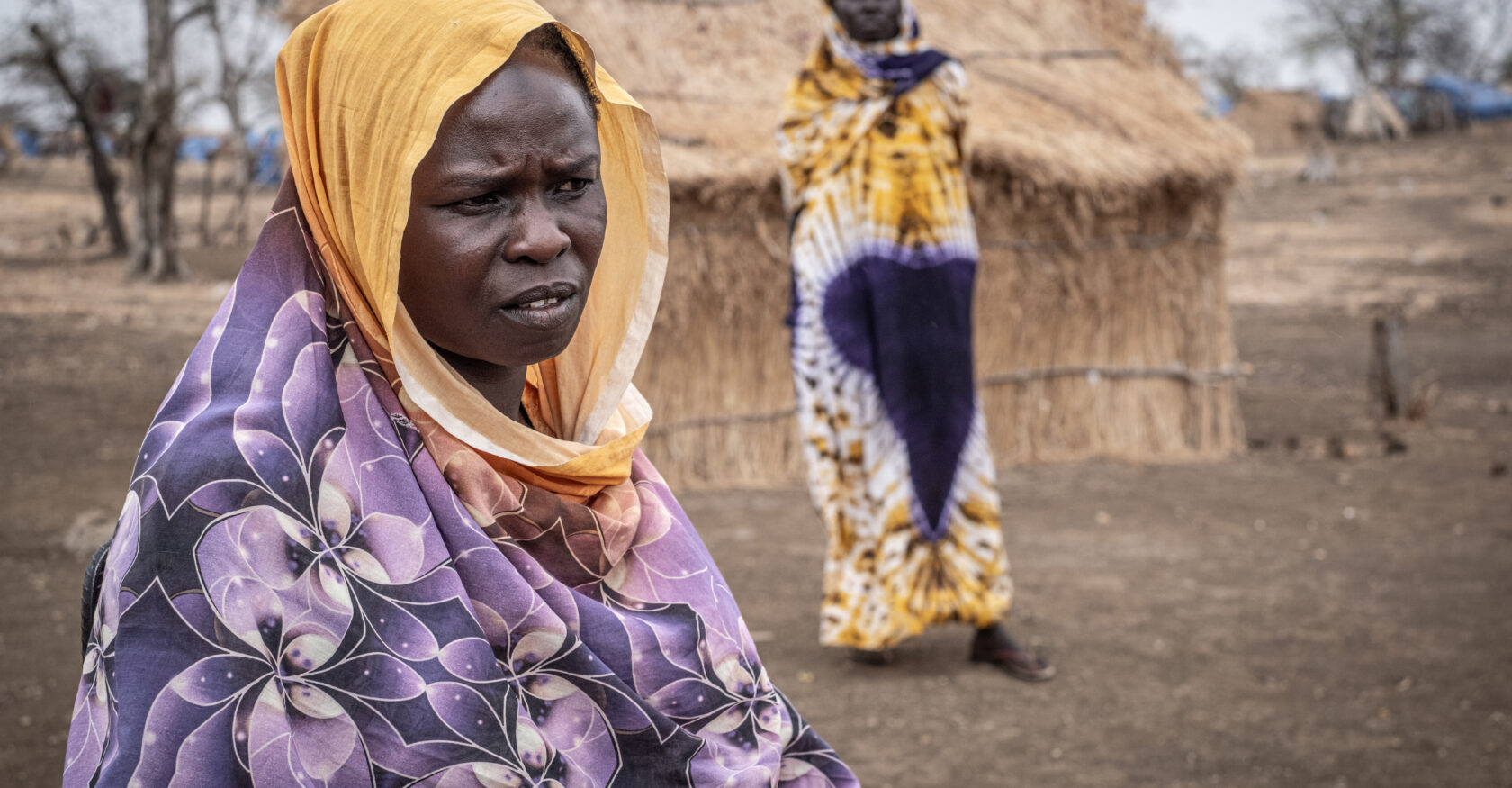
Ikram Said, an internally displaced person from Kadugli, stands in front of her shelter in the camp, Nuba Mountains, South Kordofan, Sudan, March 18, 2026 (© Marco Simoncelli)
Sudan War Nuba Mountains
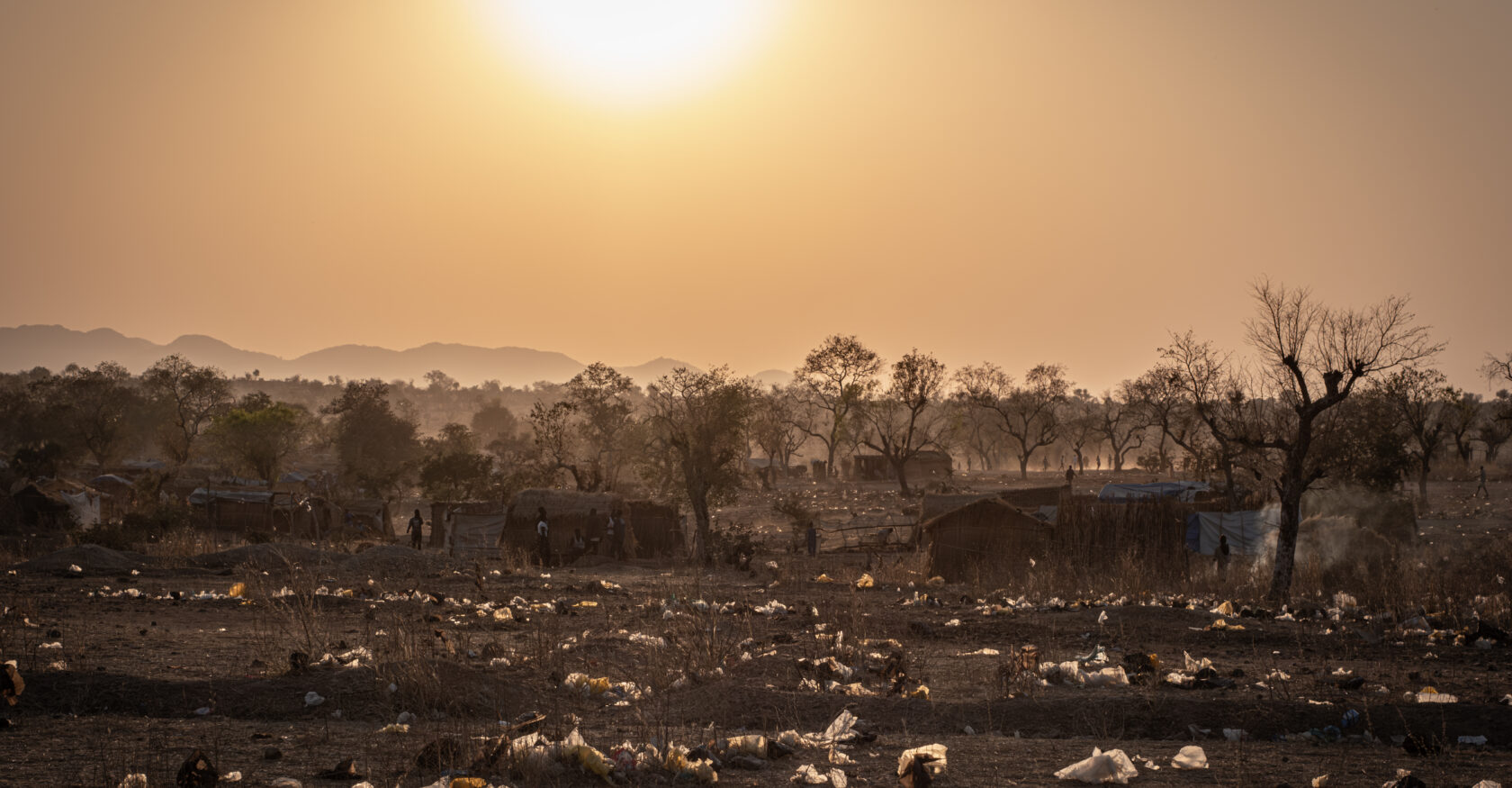
A sunset view of one of the many newly established IDP camps hosting people fleeing fighting between Kadugli and Dilling, near Umm Dulo, Nuba Mountains, South Kordofan, Sudan, March 14, 2026 (© Marco Simoncelli)

The Kordofan provinces have recently become the war’s main flashpoints. Last year, SAF recaptured Khartoum and most of central Sudan, while RSF captured El Fasher and solidified its hold of Darfur. Kordofan is strategically placed for both sides to advance and consolidate their positions.

The Nuba populations, a loose definition of the more than 50 ethnic groups inhabiting a territory about the size of Austria, are not new to war. The first Sudanese Civil War predated the country’s 1956 independence, and even before that, the Nuba Mountains faced invasion during the Turco-Egyptian conquest in the 19th century and Anglo-Egyptian colonization in the early 20th century. 

Later, the area was home to the Sudan People’s Liberation Movement (SPLM), the armed group that fought for decades in Sudan’s second civil war, which led to the split between Sudan and South Sudan in 2011. The Nuba region, though, stayed in Sudan, and the rebels there are now called Sudan People’s Liberation Movement-North (SPLM-N). In late February 2025, RSF formed a coalition with SPLM-N and other groups and moved to develop a parallel government.

Sudan War Nuba Mountains
Ramzy Hassan sits on rocks overlooking the valley from one of the mountains where his village and the Heiban County Primary School are located, Nuba Mountains, South Kordofan, Sudan, March 15, 2026 (© Marco Simoncelli)

Heiban County Primary School is located in a mountainous, sparsely populated area punctuated with boulders.  “These rocks are the very reason why the pupils were able to survive,” Ramzy Hassan, a teacher at the school, tells us, as he points out hiding points in the rocky terrain. “We used to scatter and enter the caves. So, even if they bombed, they were not able to injure or kill many people.” 

Hassan has taught his pupils these security techniques, but he says air strikes are different now with the advent of drone technology. Hassan says that now drone attacks are the main factor in deaths and displacement, and are leading to widespread anxiety among the population

There is fear. Total fear. People are afraid. Anything can happen at any time

Abakar Alamin

The use of drones has reached its highest levels in what is now three years of brutal fighting, according to Birru. In 2025, ACLED recorded 515 drone strikes, which killed at least 2,670 people, a nearly 600% increase in drone strike-related fatalities compared to the year before.“Instead of confrontations on the ground, which might lead to more [military] losses, both parties are really relying on drones,” Birru said. Both SAF and RSF have deployed a wide range of drone systems — from short-range models to long-range platforms with ranges of up to 4,000km (2,485 miles), theoretically capable of striking targets across Sudan.  

While SAF generally controls the skies, according to Birru, with drone suppliers from mainly Iran and Turkey, along with Egypt and Russia, the RSF has recently amplified its drone capacity. RSF is allegedly receiving drones from the United Arab Emirates. The geopolitical interweave means the ongoing war in the Middle East could impact the conflict in Sudan.

Sudan War Nuba Mountains
Abakar Alamin and two other members of Voice of Peace Radio sit in the studio as they prepare to record a program, Nuba Mountains, South Kordofan, Sudan, March 16, 2026 (© Marco Simoncelli)

The Nuba Mountains have extremely scarce access to news. A community radio station, Voice of Peace in Gidel Village, is one of the few local operators. The employees are all too familiar with air strikes.  

Outside the radio station’s main entrance are four “rabbit holes.” Around one meter deep and covered with old, withered leaves, Abakar Alamin, the radio’s Assistant Director, considers them the radio’s safety mechanism. “When you hear the sound of the plane, you just jump down one of the holes. Because when they bomb while you’re inside [the radio station], sharp objects can hit you. If that happens, you are done.”

The threat is tangible. In 2015, staff recalled all the station’s windows being blown out when a bomb fell near the Mother of Mercy Hospital. During the bombing, a couple of journalists were live on air in the studio. Somehow, they managed to leave the radio unharmed.

As recently as late November, an air strike killed dozens of people just a few miles away. That day, having ensured his colleagues were unhurt, Alamin and his staff rushed to the field to report on the incident but found themselves partly prevented by the increasingly authoritarian SPLM-N. Alamin was hesitant to speak critically about the organization and said that SPLM-N must approve most of the radio’s programs and content. 

“There is fear. Total fear. People are afraid. Anything can happen at any time,” Alamin said.

Buster Emil Kirchner & Marco Simoncelli

Buster Emil Kirchner is a freelance journalist based in Lusaka, Zambia. From there, he covers the African continent for Danish and international media, with a particular focus on culture, identity, religion, sports, and the various challenges and opportunities facing post-colonial Africa. Buster holds a master’s degree in African Studies from the University of Copenhagen, and his academic work focuses specifically on Zambian Pentecostalism. Marco Simoncelli is an Italian freelance photojournalist and radio journalist based in Addis Ababa, Ethiopia, focused on sub-Saharan Africa. In recent years, his work has explored mostly the links between armed insurgencies, the climate crisis, and migration in the Sahel and Horn of Africa.

Hey there!

You made it to the bottom of the page! That means you must like what we do. In that case, can we ask for your help? Inkstick is changing the face of foreign policy, but we can’t do it without you. If our content is something that you’ve come to rely on, please make a tax-deductible donation today. Even $5 or $10 a month makes a huge difference. Together, we can tell the stories that need to be told.

SIGN UP FOR OUR NEWSLETTERS