Skip to content
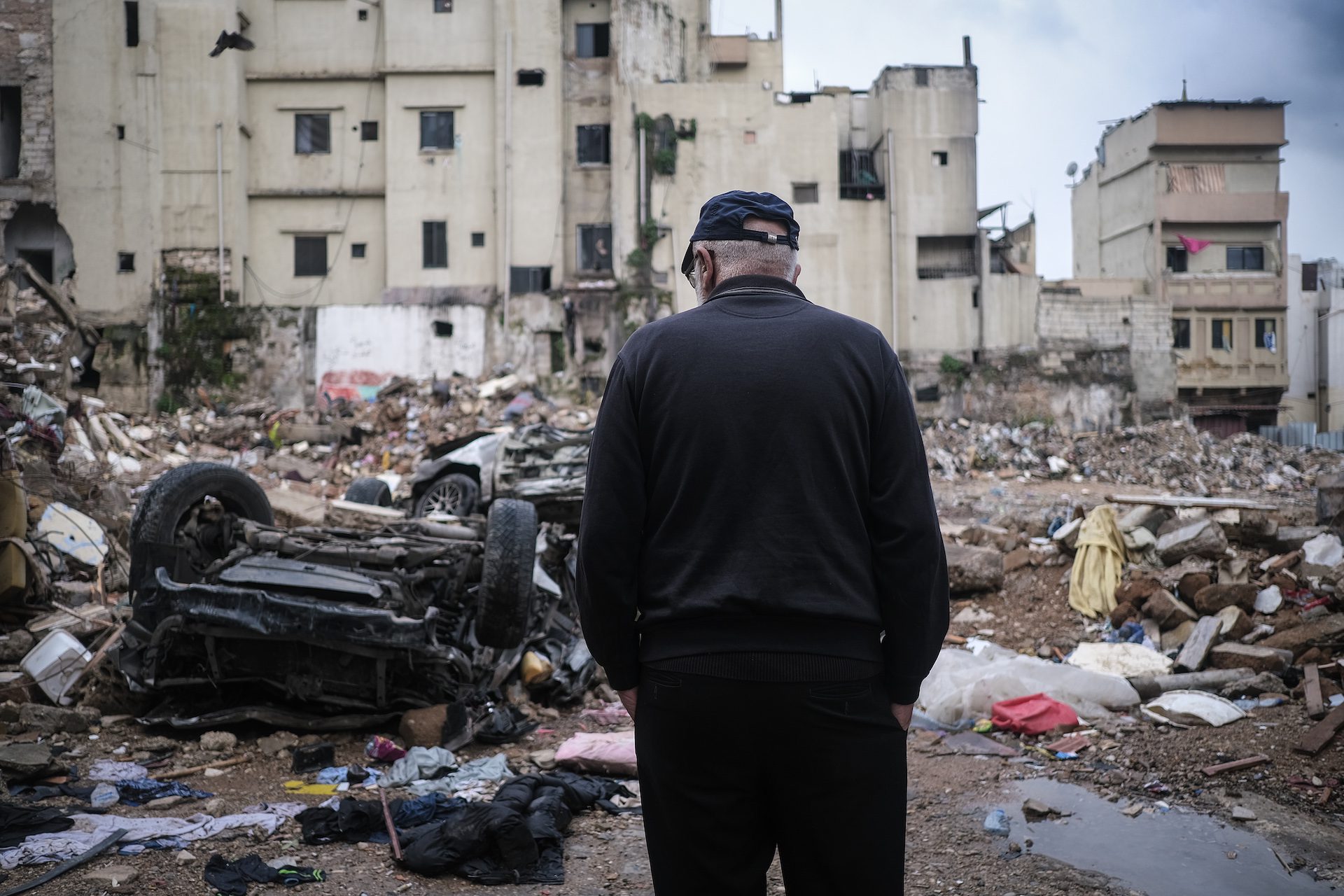
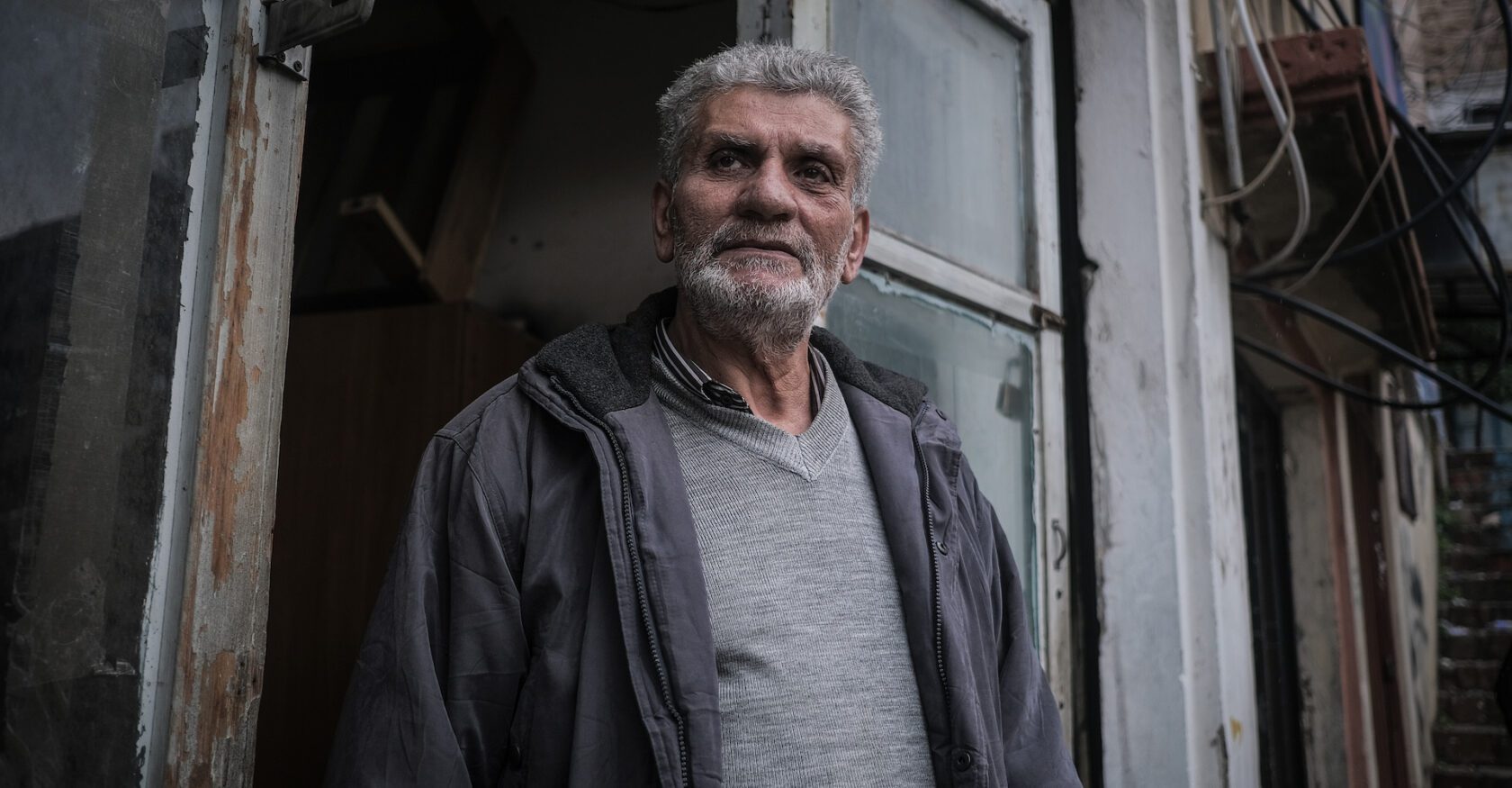
A man walks through Lebanon's Tripoli, recently hit by building collapses, in February 2026 (João Sousa)
A man looks at the wreckage of a recent building collapse in Tripoli, Lebanon, in February 2026 (João Sousa)

Lebanon’s Deadly State of Neglect Adds to Woes of Life After War

Tripoli is Lebanon’s medieval-era jewel by the sea. But decades of state neglect and poverty are coming to a head amid a spate of collapsing buildings.

Words: Madeline Edwards
Pictures: João Sousa
Date:

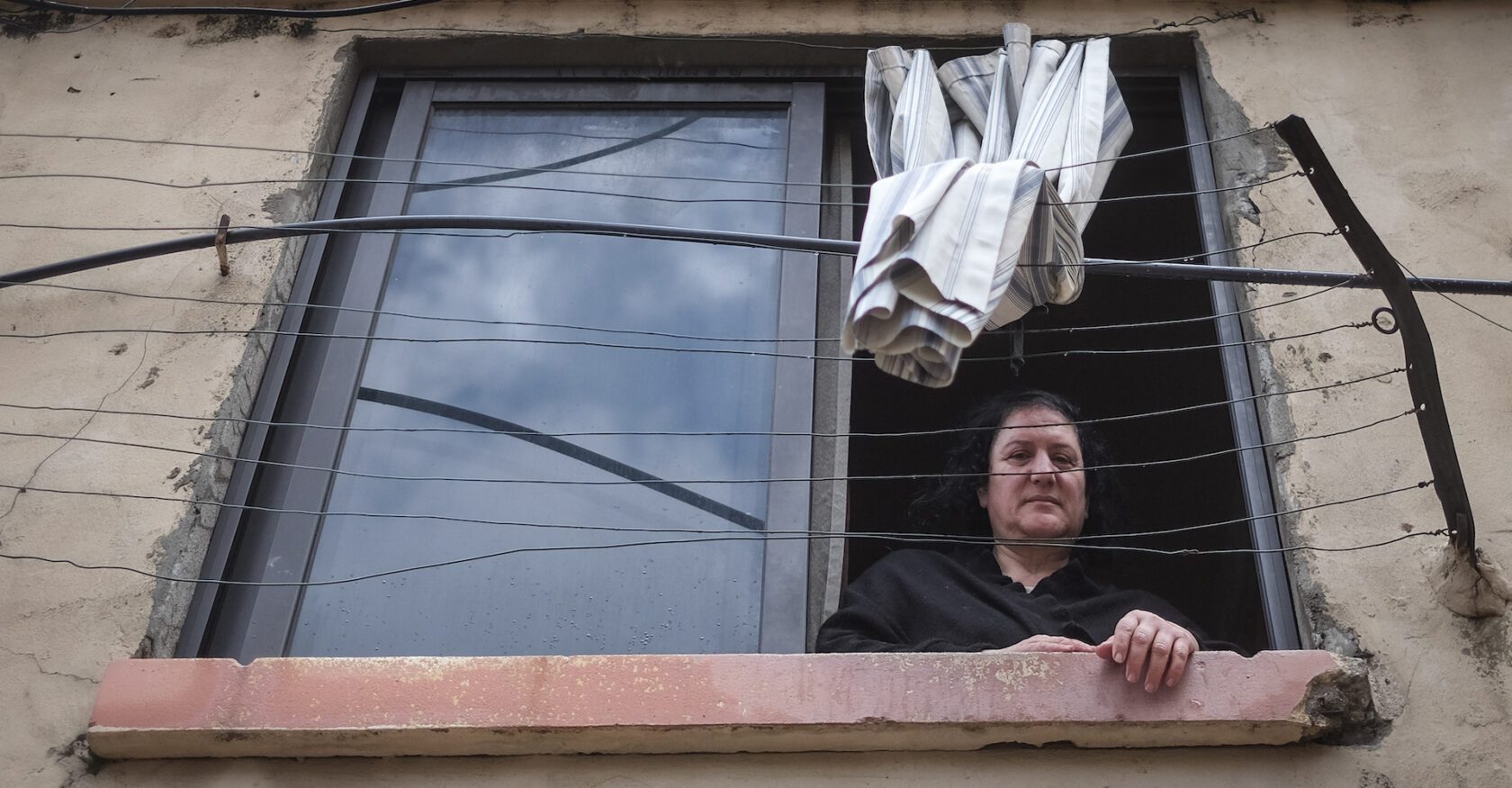
Samar Dinnawi was doing laundry in her modest apartment on Feb. 8 when she heard a low, eerie sound from just across the narrow street. It grew louder and louder. Suddenly, a plume of dust and a deafening screech like an explosion.

It was the groan of hundreds of tons of concrete crumbling beneath its own weight, bringing down the neighboring two apartment buildings along with everyone who was still inside. Fifteen people would be killed in the disaster, including a teenage boy named Abdelhamid Sidawi. 

The 15th body had just been exhumed from the wreckage amid a rainstorm shortly before I had arrived three mornings later, Samar and other neighbors told me. They watched, dazed, as police guarded the site. Among them was Muhammad Fadel, a 65-year-old carpenter, who told me he got married and raised his three children in the building complex. Abeer Diab, who lived on the first floor of the building until it collapsed, spent that Wednesday wandering the adjacent alleyway with only a plastic shopping bag of clothes and prescriptions for medicines left behind in her apartment. 

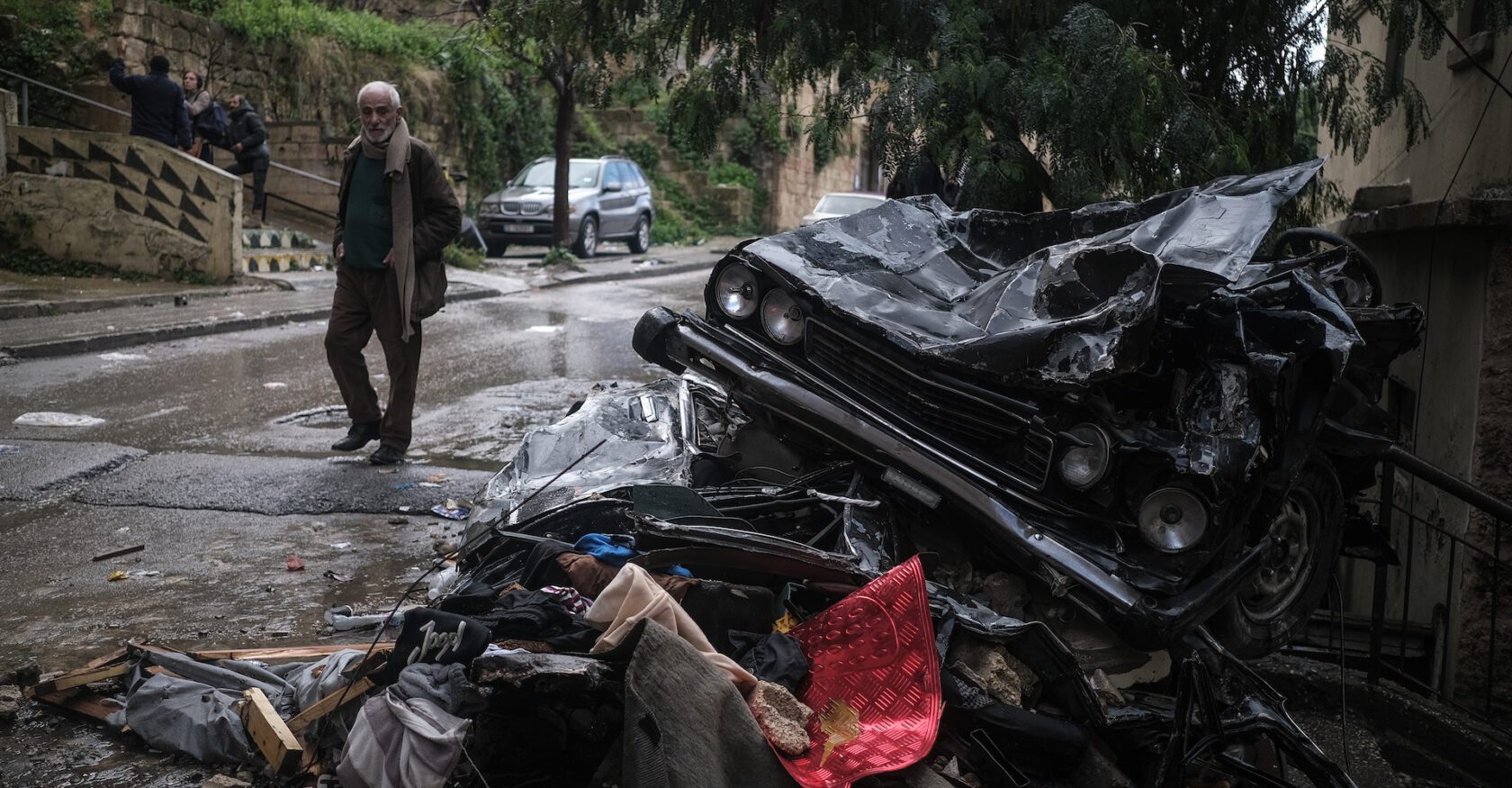
All that remained of it was a giant, mangled pile of slippers, broken floor tiles, and torn clothing. A gang of street dogs played atop the rubble.

Neighbors in this working-class district of Tripoli, their own homes perilously close to the fallen buildings, fear a repeat of the disaster. And they don’t trust the state to prevent it.

After the genocide in the Gaza Strip erupted in October 2023, Israel and armed groups in Lebanon spent a year carrying out tit-for-tat attacks on the country’s southern border. Then, in October 2024, Israeli forces invaded Lebanon and have been bombing the country near daily since, destroying homes and businesses. The attacks and the destruction they have caused have strained Lebanon’s already fragile infrastructure. 

Yet in Tripoli, far from the frontlines, the destruction stems simply from the long march of decades with no repairs, allowing parts of the city to decay.  The deadly collapse on Feb. 8 was the fifth such incident in Tripoli this year. In January, a bakery in a historic neighborhood of winding alleyways fell in on itself, without injuring anyone — though the neighboring, crumbling apartment complex was evacuated. 

Later that month, a five-story apartment block collapsed, killing Ahmad Khaled al-Mir and his daughter Elissar al-Mir. Their shared death notice is still a fresh white, pasted on a wall next to the rubble of their home. 

A woman carries an umbrella past the wreckage of a recent building collapse in Tripoli (João Sousa)
A man walks past crushed cars in the wake of a building collapse in Tripoli (João Sousa)
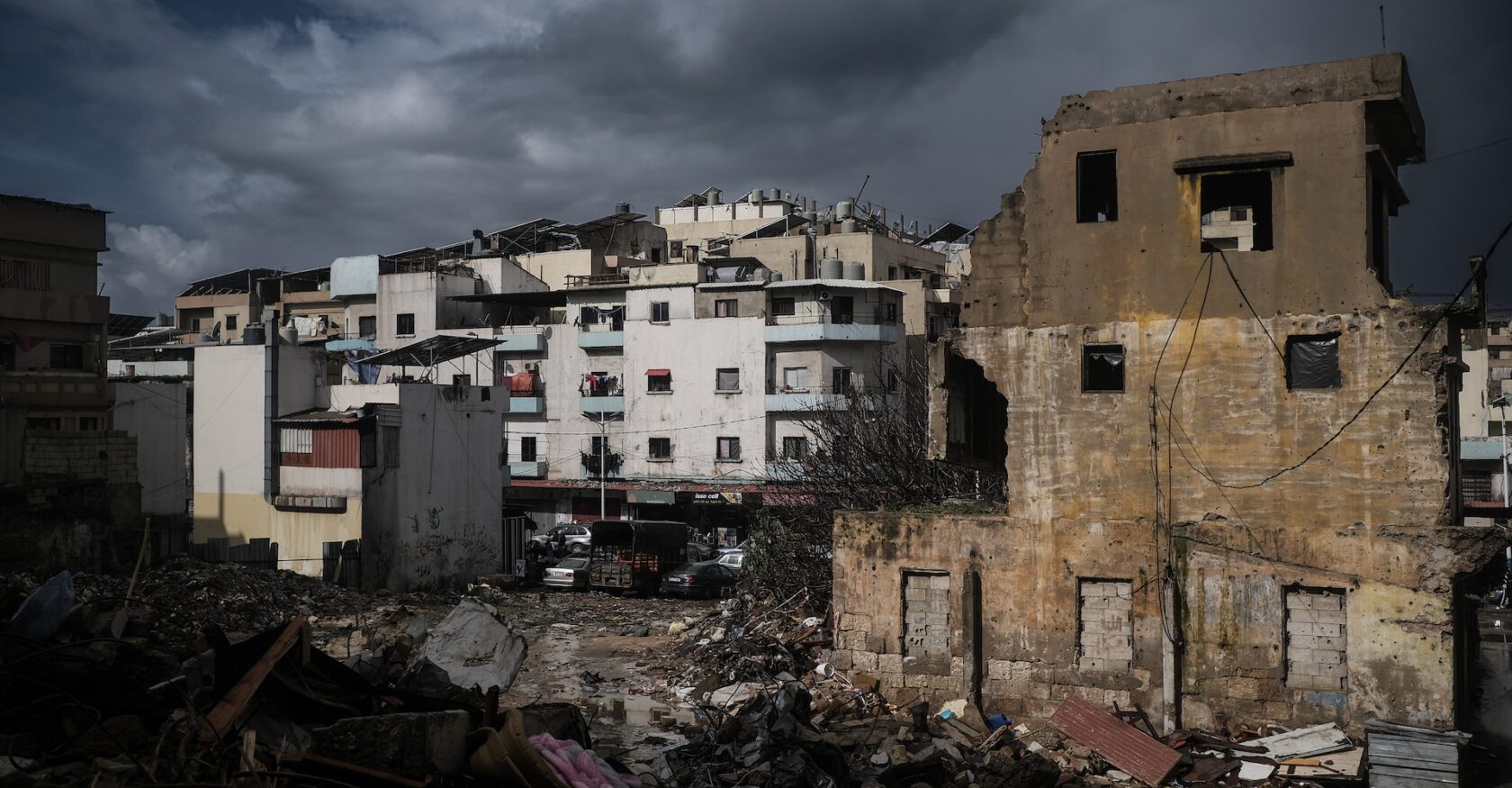
Tripoli, though home to some of the country's wealthiest people, has been described as the poorest city on the Mediterranean (João Sousa)
Tripoli, though home to some of the country’s wealthiest people, has been described as the poorest city on the Mediterranean (João Sousa)
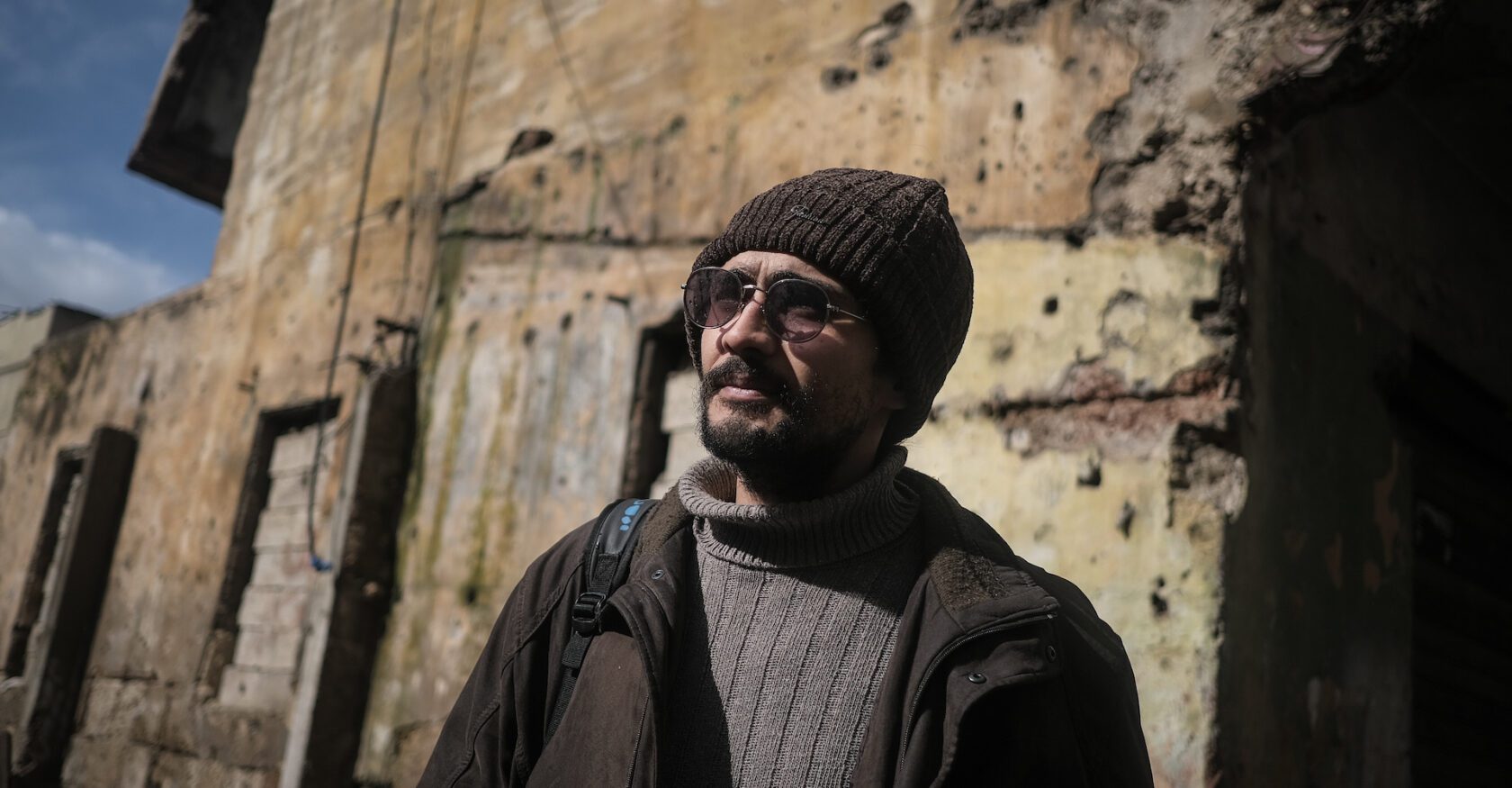
Riad Ismail El Ayoubi is a coordinator for the Right to Housing group in Tripoli (João Sousa)
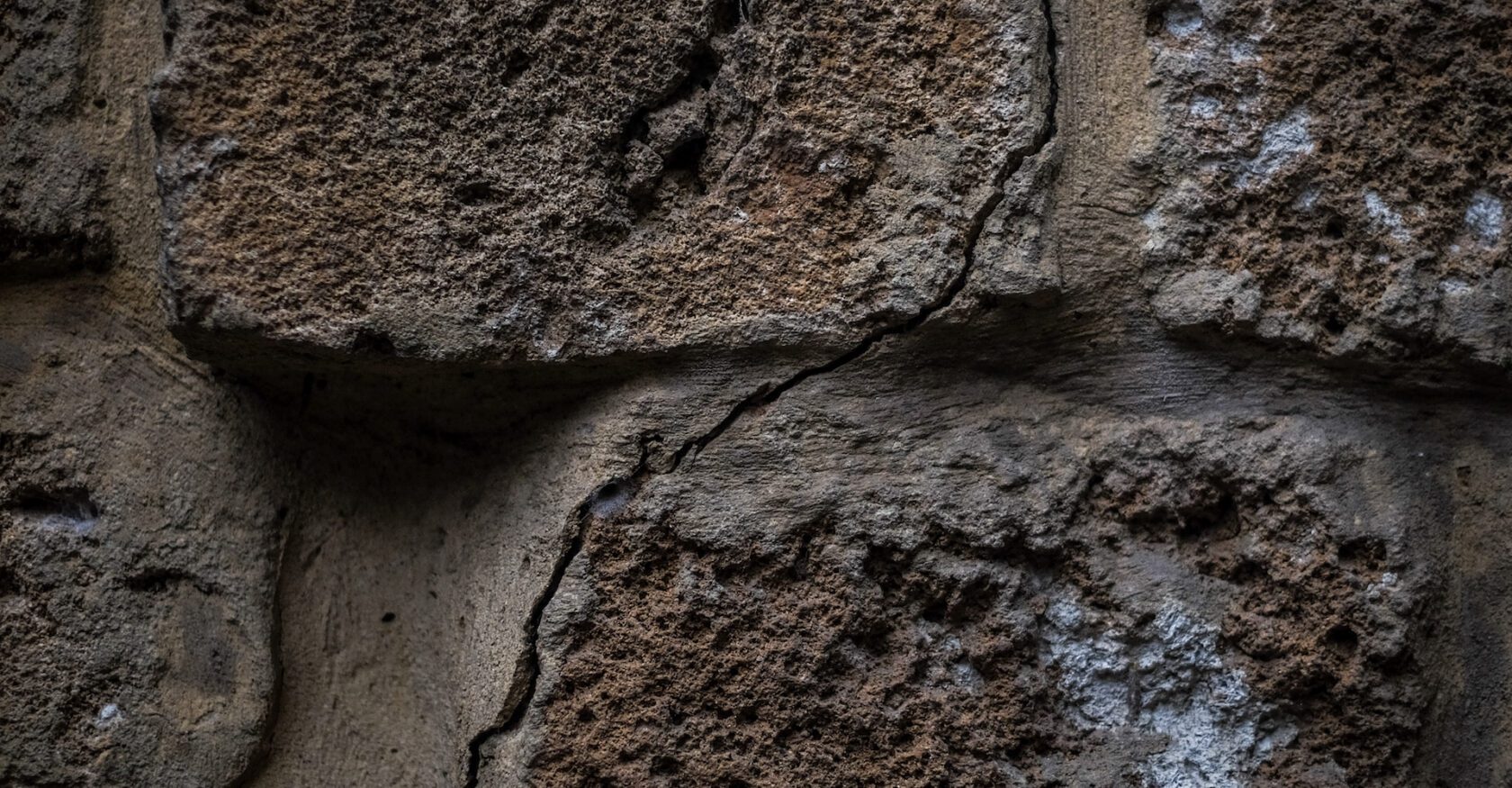
Tripoli residents have dealt with worsening cracks in their residential buildings for years (João Sousa)

Several other buildings have collapsed in recent years. In 2022, part of an Ottoman-era school ceiling fell, killing a 16-year-old girl. Last week, Prime Minister Nawaf Salam ordered the evacuation of some 114 buildings in Tripoli that the government deems “at risk of collapse.” 

When I arrived, I found Tripoli residents spooked by the wave of building collapses, fearing the number of at-risk apartment blocks is much higher than the 114 buildings under evacuation orders. They told me the building that killed 15 of them on Sunday wasn’t on any “at-risk” lists at all. 

“Based on ongoing field evidence, the real number is likely higher … 114 is most likely an undercount,” said Riad Ismail El Ayyoubi, a researcher and activist who has been documenting the decay. He is part of the Committee for Housing Rights in Tripoli.

Estimates from Lebanon’s engineering syndicate “suggest that over 20,000 buildings in Lebanon may be at risk of collapse, including around 2,000 in Tripoli alone,” according to Camille Hashem, a civil engineer who served on the syndicate’s board from 2021-2024. “But we need a unified national survey to accurately update these figures.”

In another world, Tripoli, Lebanon, would be a jewel of the Mediterranean, bespecked with its black-and-white ablaq Mamluk mosques, its orange trees from long-lost groves, arch-walkwayed souks, and intimate alleyways of Ottoman-era courtyard homes.

But decades of state neglect mean parts of the city are now crumbling in place, earning Tripoli the title of poorest city on the Mediterranean — even before Lebanon’s devastating financial crisis began in 2019, according to UN-Habitat. This is despite Tripoli being home to some of Lebanon’s richest billionaires, including business magnate and former Prime Minister Najib Mikati. 

Part of the reason Tripoli’s housing is falling apart is that Lebanese law “entirely delegates the responsibility of renovating buildings to the owners of the buildings,” according to Abir Saksouk. She is an architect and co-founder of the Lebanese urban planning research platform Public Works Studio.

But what can those owners really do to handle costly structural repairs in the middle of an economic crisis, when the median household income is $122 per month? “When the owner of the building does not have the means, the laws only give the municipality the tool of sending an eviction threat and demolishing the building,” Saksouk explained. 

Fearing homelessness, many residents — including those who own their apartments — simply decide to stay home, even as the cracked columns and damp basements disintegrate. 

And though a public safety decree passed in 2005, enacting safer construction measures, some 84% of housing in Lebanon predates the decree, according to Saksouk. “That is a huge number.”

Technical matters aside, the recent deaths are “the direct result of years of state mismanagement, entrenched corruption, and the lack of effective social protection,” Amnesty International said.

“We’ve had so many reasons in Lebanon for dilapidated housing. Wars, informal housing, lack of housing rights.” – Abir Saksouk

When I visited the Tripoli municipal building, three officials who work on engineering and structural safety said they were unable to comment. Tripoli mayor Abdelhamid Karime, who submitted, and then later rescinded, his resignation in the wake of the recent building collapses, did not respond to requests to comment by phone. 

Some residents blamed decades of frozen rent in many buildings, which they said meant some landlords are unwilling to fork over the money for repairs should someone discover a fatal crack in the foundation. 

Still, this could be a misconception. “We’ve been monitoring building collapses in general in Lebanon, and we cannot say there is a trend related to old rent,” Saksouk of the Public Works Studio said. “This is part of a wider discourse that blames old rent tenants for everything.” From a recent survey of collapsed buildings the group conducted in Tripoli, “there’s a very small number whose inhabitants are ‘old rent’ tenants.”  

“We’ve had so many reasons in Lebanon for dilapidated housing. Wars, informal housing, lack of housing rights. This means that improving the quality of the built environment is not merely a technical issue. … It’s the outcome of governing regimes that stripped public authorities of legal tools.” 

Just steps away from the mukhtar’s office, yet another dilapidated apartment building had been evacuated by police, rainwater gushing from unseen cavities in the outer walls as the storm that day wore on. Two displaced men said they were simply sleeping in their cars, with nowhere else to go. One man, Omar Lababibi, said he let his three daughters share the car, while he snuck back inside their evacuated building to sleep, structural issues be damned. 

“I’m not scared,” he said, sheltering from the rain outside a women’s boutique across from his home. “God is protecting me.” 

The February 2023 earthquake that devastated Turkey and Syria also shook Tripoli, rattling through the city in the hours just before dawn. I visited the next day to find residents who discovered new, worrying cracks in their homes overnight. 

Two years later, Tripoli residents now told me they are still worried about the quake. Samar, the woman who was doing her laundry during the deadly Feb. 8 building collapse, said she, too, has found a seemingly growing spiderweb of cracks in her stairwell since the 2023 quake. I saw the cracks, too, spanning the walls along her stairs. 

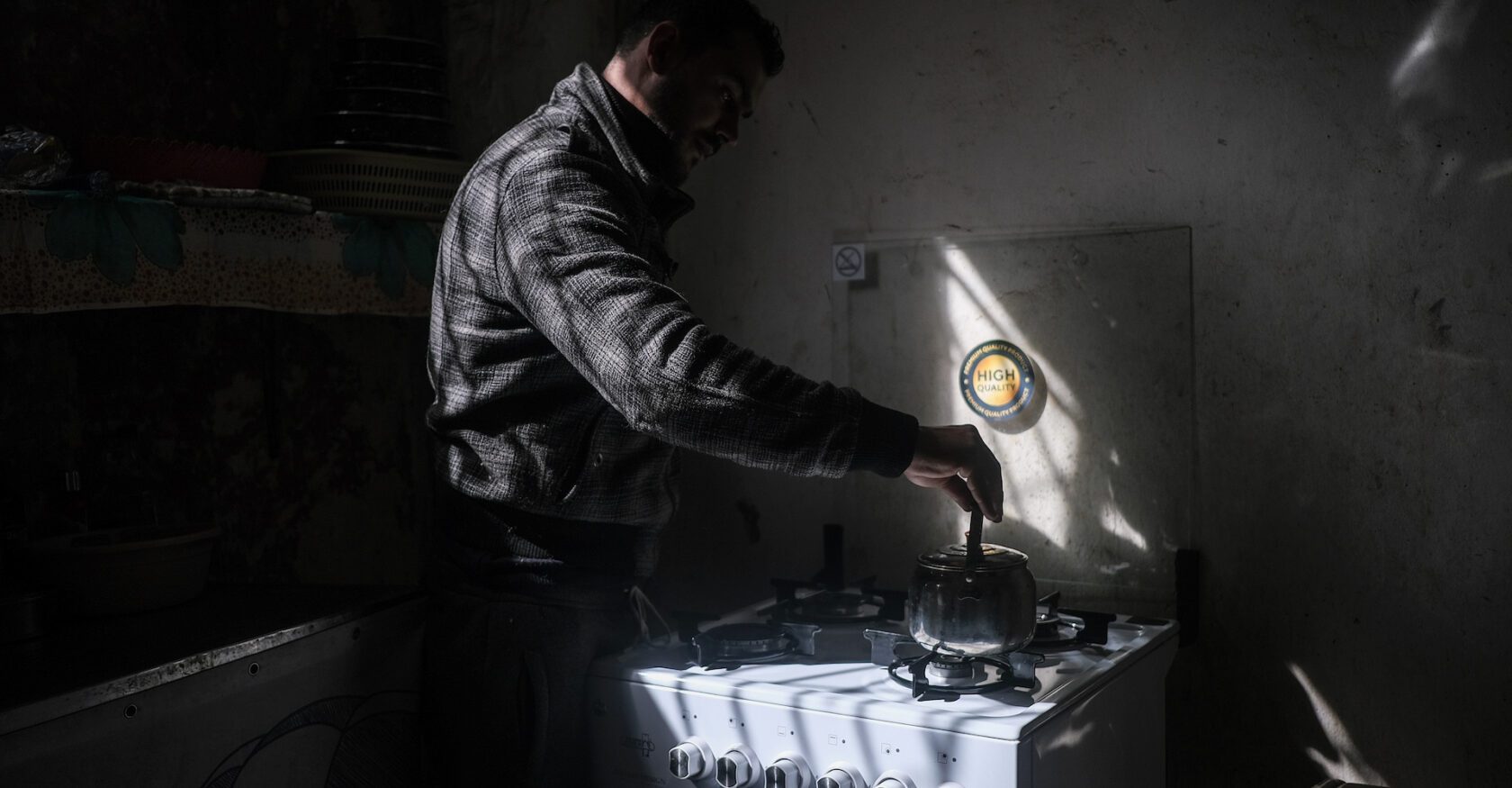
“I’m afraid to be here, I’m afraid to sleep in here,” she said, preparing an ibriq of hot coffee. Samar lives alone with her two cats and pays an old, frozen monthly rent. She is unemployed and has few other options should she decide to move somewhere safer. Ahmad Barghousheh, too, has nowhere else to go after police evacuated his building in the Bab al-Tabbaneh neighborhood this week. He’s among the people now living in an emptied-out hotel on the seafront, set up for them by the municipality — I couldn’t ascertain how many people were inside as journalists weren’t allowed in. 

Outside for a cigarette, Ahmad told me he had no idea there was any issue with his building until the police came on Monday. In a rush to evacuate the apartment he bought in 1992, he left behind medicines for his HIV and other ailments. He can’t go back in to get them. 

A string of small earthquakes has also shaken Lebanon since January, once again raising residents’ fears that their homes are unsafe. When I asked Samar if she felt the quakes, her eyes widened with fear. “Yes, of course!” So did other residents I met across Tripoli, who invited me to look at the cracks inside their stone-and-cement houses. 

Two men look out at the rubble following a building collapse in Tripoli (João Sousa)
In Samar's living room, photos of relatives hang from the wall (João Sousa)
In Samar’s living room, photos of relatives hang from the wall (João Sousa)
A man stands in a doorway in Tripoli, Lebanon, after a recent building collapse (João Sousa)
Idris al-Omar, who lives alone, worries his apartment is damaged from moisture and past earthquakes (João Sousa)
Samar Dinnawi, who lives across the alleyway from a recently collapsed building, looks from her window (João Sousa)

Faten Zein, in an Ottoman-era courtyard home in the Aqibat Hamrawi neighborhood, had exposed iron rebar in her ceiling where the cement had disintegrated from the damp. 

Faisal Tleiss, in the Qobbeh neighborhood, pointed up at jagged, deep cracks in the balconies of his building. He has already called an engineer to inspect them. 

Idris al-Omar, who sells kaak on the street, showed his street-level apartment walls rotting with cracks and water damage.

The earthquake was “a triggering point” for people, said Ayyoubi,  the housing activist from Tripoli. After it shook the city in 2023, he and others formed the Committee for the Right to Housing in Tripoli, which maps damage and communicates with authorities. 

Locals say the municipality also installed earthquake monitoring devices in some neighborhoods. I found one of them on the outer wall of an ancient stone home near Tripoli’s river, the home gutted and long abandoned. 

Meanwhile, it is impossible to know when or how another big quake, or another sudden collapse in the night, might hit the city’s already fragile housing. In one neighborhood, I found a police officer going door to door with a clipboard surveying residents, in preparation for an upcoming promised study by structural engineers. 

Residents followed him through one alley, asking what had taken so long. 

I left Tripoli that Wednesday night, as the heavy rains and thunder started once again. The bus plowed through the storm, and a string of yet more evacuation notices pinged on my phone: “Police order residents of the al-Reidani Building in Bab al-Tabbaneh to evacuate their homes immediately,” one read. Then, another came: “Residents are warned to immediately evacuate the Abdelqader al-Sheikh Building on Avicenna Street in Qobbeh.”

The notices continued to trickle in across the coming days. Meanwhile, residents were left to their own, putting up tents beneath their own homes in the cold rain.

** All photos by João Sousa. Sousa is a photojournalist based in Lebanon and focused on social issues.

Madeline Edwards

Madeline Edwards is a journalist writing about society, the environment, offbeat histories, and rural life.

Hey there!

You made it to the bottom of the page! That means you must like what we do. In that case, can we ask for your help? Inkstick is changing the face of foreign policy, but we can’t do it without you. If our content is something that you’ve come to rely on, please make a tax-deductible donation today. Even $5 or $10 a month makes a huge difference. Together, we can tell the stories that need to be told.

SIGN UP FOR OUR NEWSLETTERS