









The International Federation for Human Rights (FIDH) has published a new report, “Palestinian Solidarity Under Fire,” that documents a global crackdown on pro-Palestinian advocacy, with special attention given to draconian measures in the United States. The report underscored how US authorities and institutions — both governmental and private — have increasingly targeted individuals and groups expressing solidarity with Palestinians, particularly in the wake of Israel’s military actions in Gaza and the broader escalation of violence since October 2023.
FIDH found that US activists, students, and academics faced heightened surveillance, employment threats, and public vilification for criticizing Israeli policies or supporting Palestinian rights. The report cited multiple cases where university faculty were investigated or dismissed for social media posts or public statements deemed “anti-Israel.” In one example, a professor was placed on administrative leave after reposting a Human Rights Watch article critical of Israeli military conduct. FIDH argued that such disciplinary actions reflect a broader trend of institutional censorship and political pressure.
Yosra Frawers, Head of the Maghreb and Middle East Desk at FIDH, said in a press release that the “trend reflects a worrying shift towards the normalization of exceptional measures in dealing with dissenting voices.”
Student groups, particularly chapters of Students for Justice in Palestine (SJP), were also targeted. The report detailed how several universities suspended or banned SJP chapters following campus protests or statements condemning Israeli actions. In some cases, administrators cited vague concerns about “safety” or “incitement,” despite no evidence of violence or threats. FIDH emphasized that these bans often occurred under pressure from donors, politicians, or pro-Israel advocacy organizations, raising concerns about academic freedom and viewpoint discrimination.
FIDH also focused on the role of legislation and executive action in suppressing Palestinian solidarity. More than 35 US states have enacted anti-BDS (Boycott, Divestment, Sanctions) laws, which penalize individuals or companies that support boycotts of Israel or Israeli settlements. The report noted that such laws have been used to deny public contracts to businesses and silence advocacy groups. In one case, a speech pathologist in Texas lost her school contract after refusing to sign a pledge not to boycott Israel. Courts have struck down some of these laws as unconstitutional, but many remain in force, creating a chilling effect on
FIDH further documented the impact of media framing and political rhetoric. US officials, including members of Congress, have frequently equated Palestinian solidarity with support for terrorism, particularly when criticizing groups like Hamas. The report argued that this conflation has led to smears and defamation against activists, with some facing doxxing, harassment, or threats. In one high-profile case, a Palestinian-American journalist was fired after being falsely accused of glorifying violence, based on a misinterpreted tweet.
The report also addressed the role of tech platforms in silencing Palestinian voices. FIDH found that social media companies, including Meta and X (formerly Twitter), disproportionately removed or suppressed content critical of Israel. Activists reported shadow bans, post deletions, and account suspensions, often without explanation. FIDH cited internal whistleblower accounts suggesting that platform moderation policies were influenced by lobbying from pro-Israel groups and government agencies. The result, according to the report, is a digital landscape where Palestinian narratives are marginalized or erased.
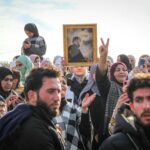
Despite these challenges, FIDH noted that Palestinian solidarity in the US remains resilient. Grassroots coalitions, legal advocacy groups, and student networks continue to organize protests, educational events, and campaigns for divestment. It also highlighted the growing intersectionality of Palestinian advocacy, with activists linking their cause to broader struggles for racial justice, Indigenous rights, and anti-colonial movements.
In its recommendations, FIDH urged the US government to repeal anti-BDS laws, end surveillance of political activists, and protect freedom of expression and assembly. It called on universities to uphold academic freedom and resist donor-driven censorship. The report also pressed tech companies to ensure transparency and fairness in content moderation, especially regarding political speech.
The FIDH report painted a sobering picture of the US as a battleground for free speech and human rights, where Palestinian solidarity is increasingly under siege.
Alice Mogwe, President of FIDH, said the US “must guarantee everyone the right to express themselves and to mobilize peacefully, on all causes. The defense of human rights ought not to be constrained by political sensibilities.”