













In August 2025, the Congressional Research Service (CRS) published a detailed analysis of the Department of Defense’s (DOD) Replicator Initiative, a high-profile effort to rapidly field thousands of autonomous systems across multiple domains. The report explored the initiative’s strategic ambitions, technological challenges, and congressional oversight concerns, framing Replicator as both a response to Chinese military mass and a test case for future defense innovation.
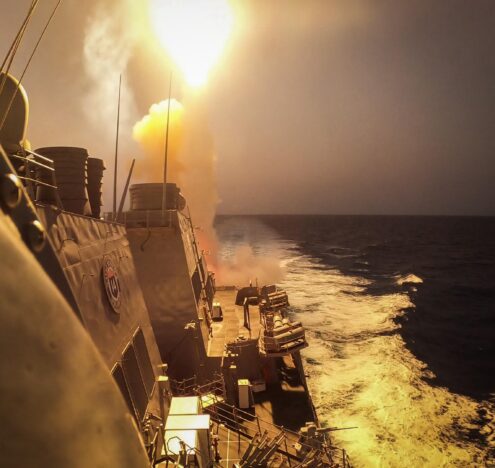
Launched in August 2023 by former Deputy Secretary of Defense Kathleen Hicks, Replicator aimed to “help [the United States] overcome [the Chinese military’s] advantage in mass: more ships, more missiles, more forces.” It hoped to do this using attritable, or expendable, autonomous systems — low-cost platforms designed to be lost in combat. The initiative was managed by the Defense Innovation Unit (DIU), which coordinated with combatant commands and acquisition offices to identify and deploy systems within a two-year timeline.
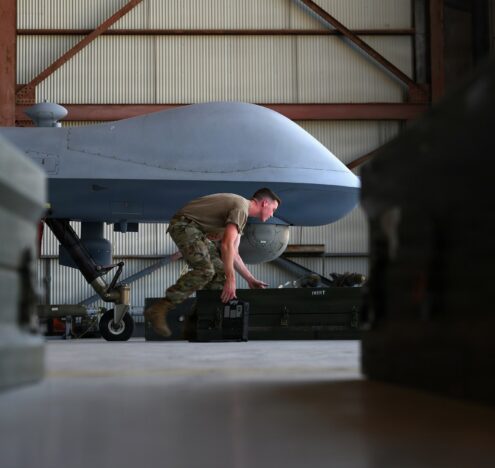
The first phase, Replicator 1, focused on all-domain attritable autonomy (ADA2), including aerial drones, ground robots, maritime platforms, and space-based systems. According to the report, Replicator 1 seeks “to field thousands uncrewed systems by August 2025.” The second phase, Replicator 2, announced in 2024, targeted counter-small unmanned aerial systems (C-sUAS), reflecting lessons learned from Ukraine’s battlefield use of drones.
“Despite its ambitious goals, the initiative faced scrutiny over transparency and strategic coherence.”
CRS noted that Replicator was not a traditional acquisition program but rather a program designed to accelerate fielding through existing authorities and commercial partnerships. Selected systems included AeroVironment’s Switchblade 600, Anduril’s Altius-600 and Ghost-X, and Performance Drone Works’ C-100. The report also mentioned seven unnamed software vendors tasked with enabling swarming, autonomous navigation, and dynamic threat response.
Despite its ambitious goals, the initiative faced scrutiny over transparency and strategic coherence. CRS observed that “[l]ittle information is available publicly about Replicator’s potential total cost and the impact that funding requirements for Replicator could have on funding for other DOD programs.” This makes it difficult for Congress to assess progress or allocate resources. The report emphasized that oversight was complicated by operational security concerns and the classified nature of many program details.
One of the central tensions the report identified was the balance between speed and accountability. While DIU and senior defense officials touted Replicator’s rapid timelines, CRS warned that accelerated fielding may pose risks to system reliability, interoperability, and long-term sustainment. The report also questioned whether Replicator’s focus on attritable systems aligned with broader force structure and deterrence strategies.
The initiative’s reliance on commercial vendors raised additional concerns. CRS noted that “Replicator’s emphasis on commercial solutions may challenge traditional defense industrial base dynamics,” potentially sidelining established contractors and complicating integration with legacy systems. The report called for further analysis of intellectual property rights, cybersecurity standards, and lifecycle costs associated with these platforms.
Congressional interest in Replicator had grown steadily since its launch, with lawmakers seeking clarity on funding sources, operational metrics, and strategic objectives. CRS recommended that Congress consider several oversight mechanisms, including mandated reporting requirements, independent assessments, and hearings with DIU leadership. The report stated, “Congress has the option, as part of its action on annual DOD budget requests, to legislate reporting requirements for the Replicator initiative or direct the Government Accountability Office (GAO) to review and evaluate DOD’s Replicator activities.”
Ultimately, the CRS report portrayed Replicator as a bold but uncertain experiment in defense innovation. It acknowledged the initiative’s potential to reshape military operations and acquisition practices but underscored the need for rigorous oversight and strategic alignment. “Replicator represents a significant departure from traditional DOD acquisition models,” the report concluded, “and its success may hinge on the department’s ability to balance speed, transparency, and long-term viability.”
As the August 2025 deadline for Replicator 1 approached, lawmakers and defense analysts continued to debate whether the initiative would deliver on its promise — or serve as a cautionary tale in the era of autonomous warfare.