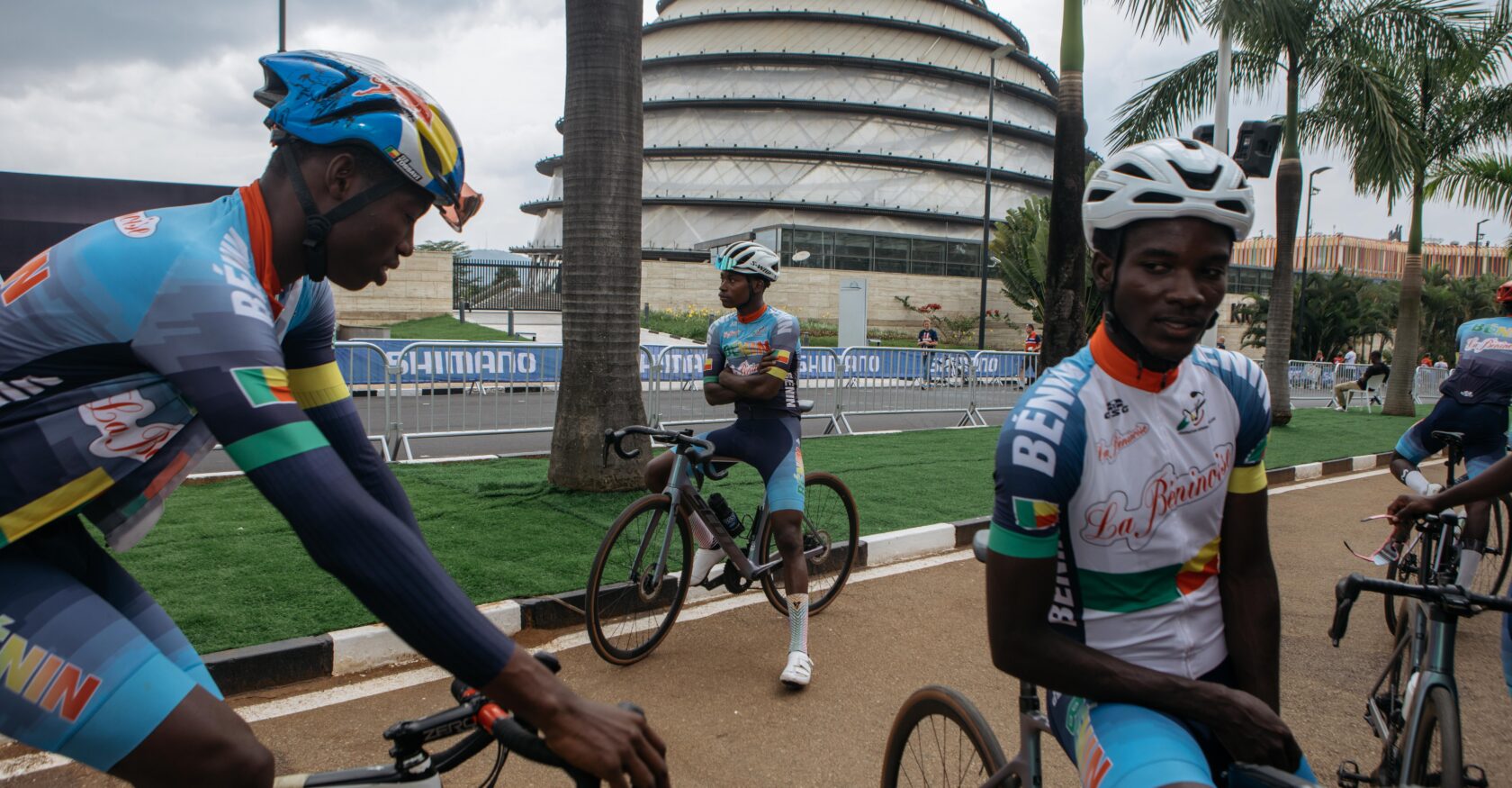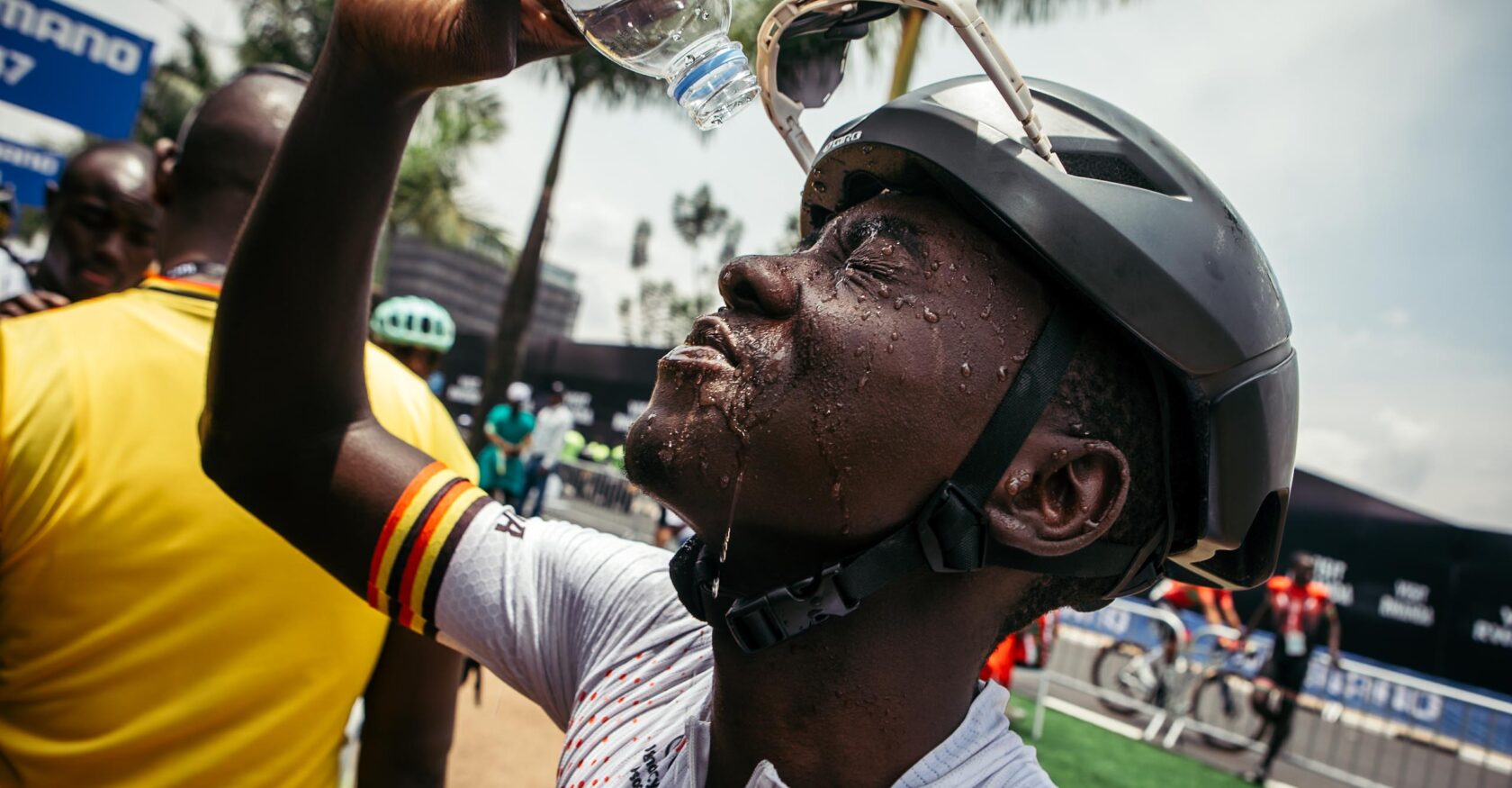











Twenty-one-year-old Samuel Niyonkuru has never seen Kigali, the capital city of Rwanda, so busy. For the first time in the Union Cycliste Internationale’s (UCI) 103-year history, the prestigious Road World Championships were held on the African continent, with Rwanda the gracious host at the helm. With over 900 cyclists attending and nearly one million spectators at the week-long event’s peak, the stability that the nation emanates amid a restive region has never been more important.
Nicknamed the “Land of a Thousand Hills,” this tiny East African nation is perhaps best known for a remarkable turnaround after a brutal genocide. In 1994, a Hutu-led extremist government spearheaded a 100-day killing spree that left nearly one million ethnic Tutsis dead.
Paul Kagame has been Rwanda’s president for a quarter of a century. For years, Kagame has been cultivating Rwanda’s reputation as a reliable, regional peacemaker. He has sent disciplined troops wielding sophisticated weapons to stabilize hot zones such as Mozambique’s Cabo Delgado (the site of the African continent’s most significant foreign investment, a $24.5 billion offshore liquified natural gas project) and to the Central African Republic, which has been marred by years of civil war.
Under Kagame’s leadership, Rwanda’s GDP surged and continues to do so (rising 8.4% between 2022 and 2024). “People recognize what the RPF has succeeded in doing — no regime has lasted that long. Under the RPF, it’s the longest period of stability since independence,” says Benjamin Chemouni, Assistant Professor at Université Catholique de Louvain in Belgium, focusing on African politics and development.
Hosting such a major international sporting event “shows that Rwanda knows how to speak the global language of sports events, that it is an effective sub-Saharan African country that knows how to organize events, get things done,” says Chemouni.