
Skip to content

MAGA, Mahmoud Khalil, and the War for Free Speech on Campus

What the campaign to suppress pro-Palestinian activism means for the far right. And why Trump is starting with Palestine.

Words: Laicie Heeley
Pictures: Wikimedia Commons
Date:

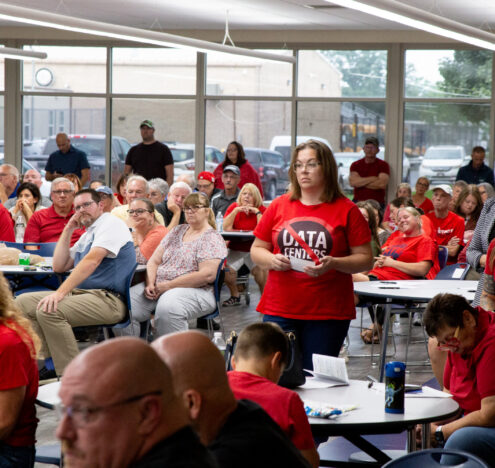
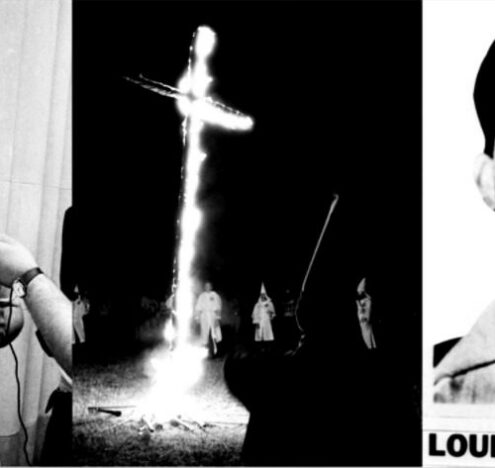
Mahmoud Khalil became the face of Palestinian rights at Columbia University when the Syria-born refugee refused to wear a mask and negotiated on behalf of the encampment with the University administration. Now the US wants to deport him using a deep-cut statute in the immigration act that gives the Secretary of State sweeping powers to decide who could have “adverse” foreign policy impacts on the United States. How did we get here? We trace the line back from Charlottesville in 2017 — from domestic extremists fighting on the streets to taking shots in the halls of power. 

Guests:

Joseph Howley, Associate Professor of Classics, Columbia University; Diala Shamas, Attorney, Center for Constitutional Rights; Chris Mathias, Author, “To Catch A Fascist” (forthcoming);  Ben Lorber, Senior Research Analyst, Political Research Associates

Additional Resources: 

Anti-Palestinian at the Core: The Origins and Growing Dangers of US Antiterrorism Law, Center for Constitutional Rights 

A Letter From Palestinian Activist Mahmoud Khalil, ACLU

Laicie Heeley

Editor in Chief

Laicie Heeley is the founding CEO of Inkstick Media, where she serves as Editor in Chief of the foreign policy magazine Inkstick and Executive Producer and Host of the PRX- and Inkstick-produced podcast, Things That Go Boom. Heeley’s reporting has appeared on public radio stations across America and the BBC, where she’s explored global security issues including domestic terrorism, disinformation, nuclear weapons, and climate change. Prior to launching Inkstick, Heeley was a Fellow with the Stimson Center’s Budgeting for Foreign Affairs and Defense program and Policy Director at the Center for Arms Control and Non-Proliferation. Her publications include work on sanctions, diplomacy, and nuclear arms control and nonproliferation, along with the first full accounting of US counterterrorism spending after 9/11.

LEARN MORE

Hey there!

If you made it this far, you’re exactly why Inkstick exists.

The institutions shaping our lives rarely get the scrutiny they deserve. Inkstick investigates the systems behind war, surveillance, borders, emergency politics, and public spending — and traces their consequences in real communities.

Every story is made possible by readers who believe these issues matter.

If that’s you, help keep this reporting free and accessible to everyone.

Join the people paying attention

SIGN UP FOR OUR NEWSLETTERS