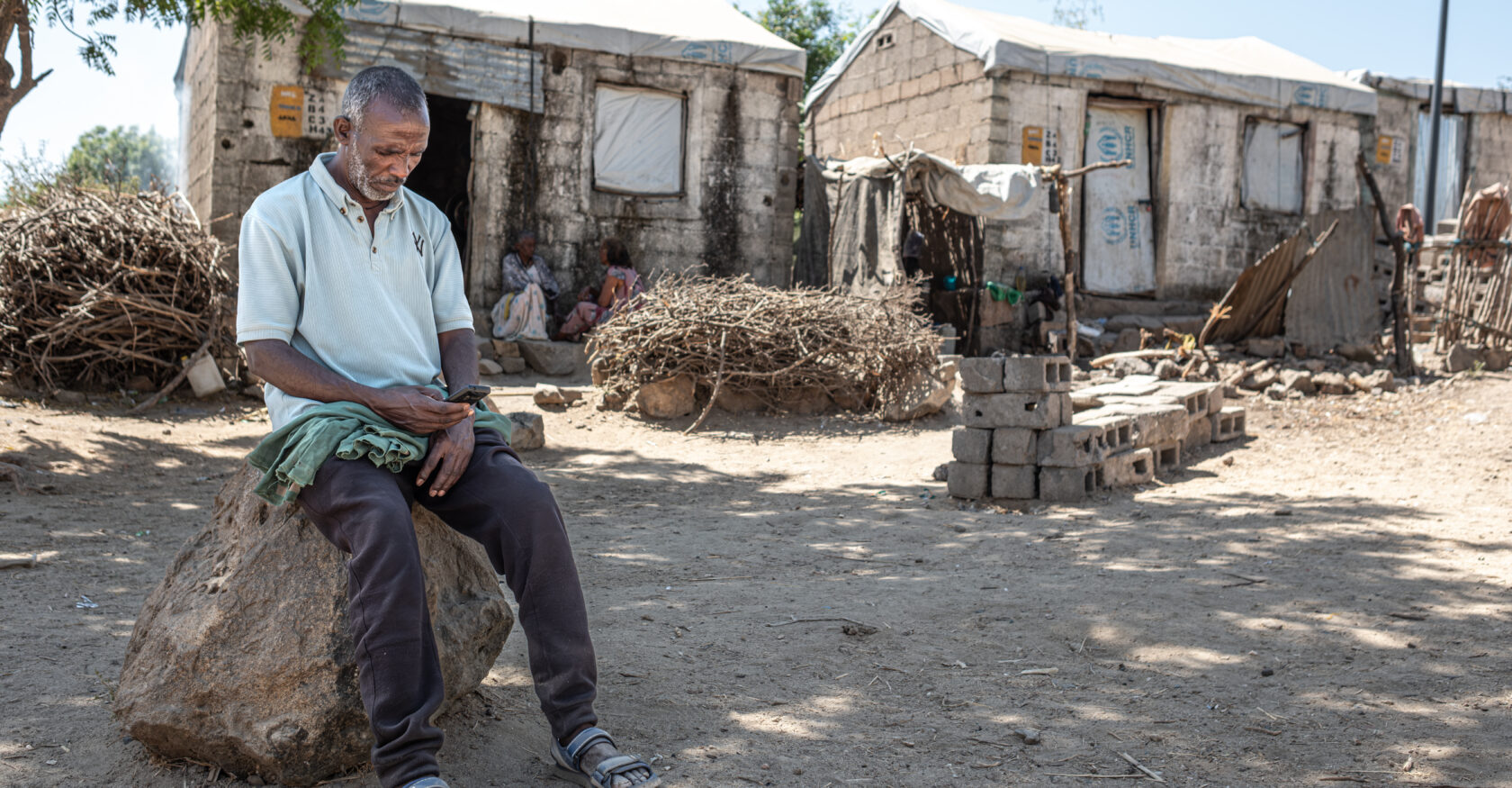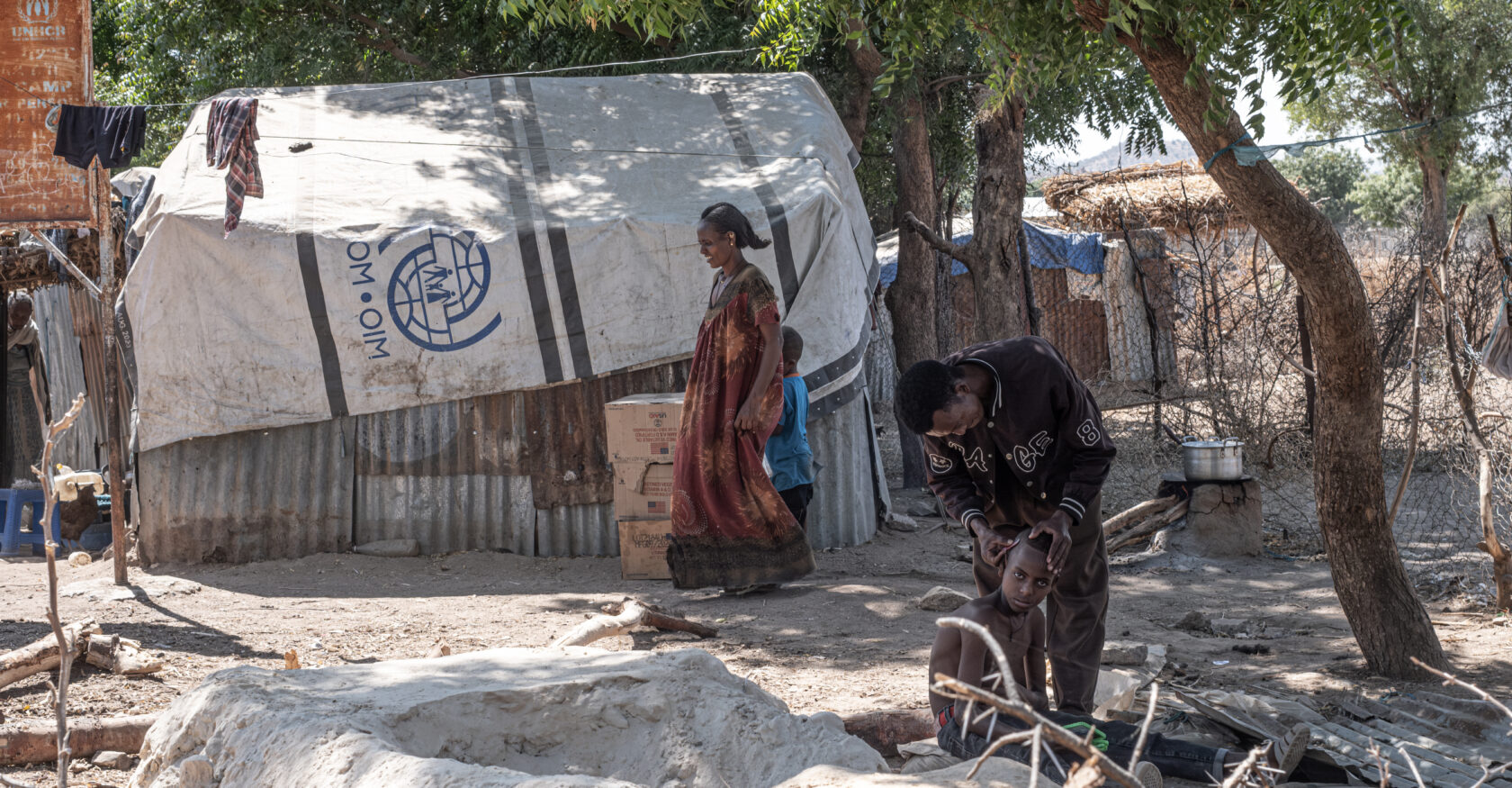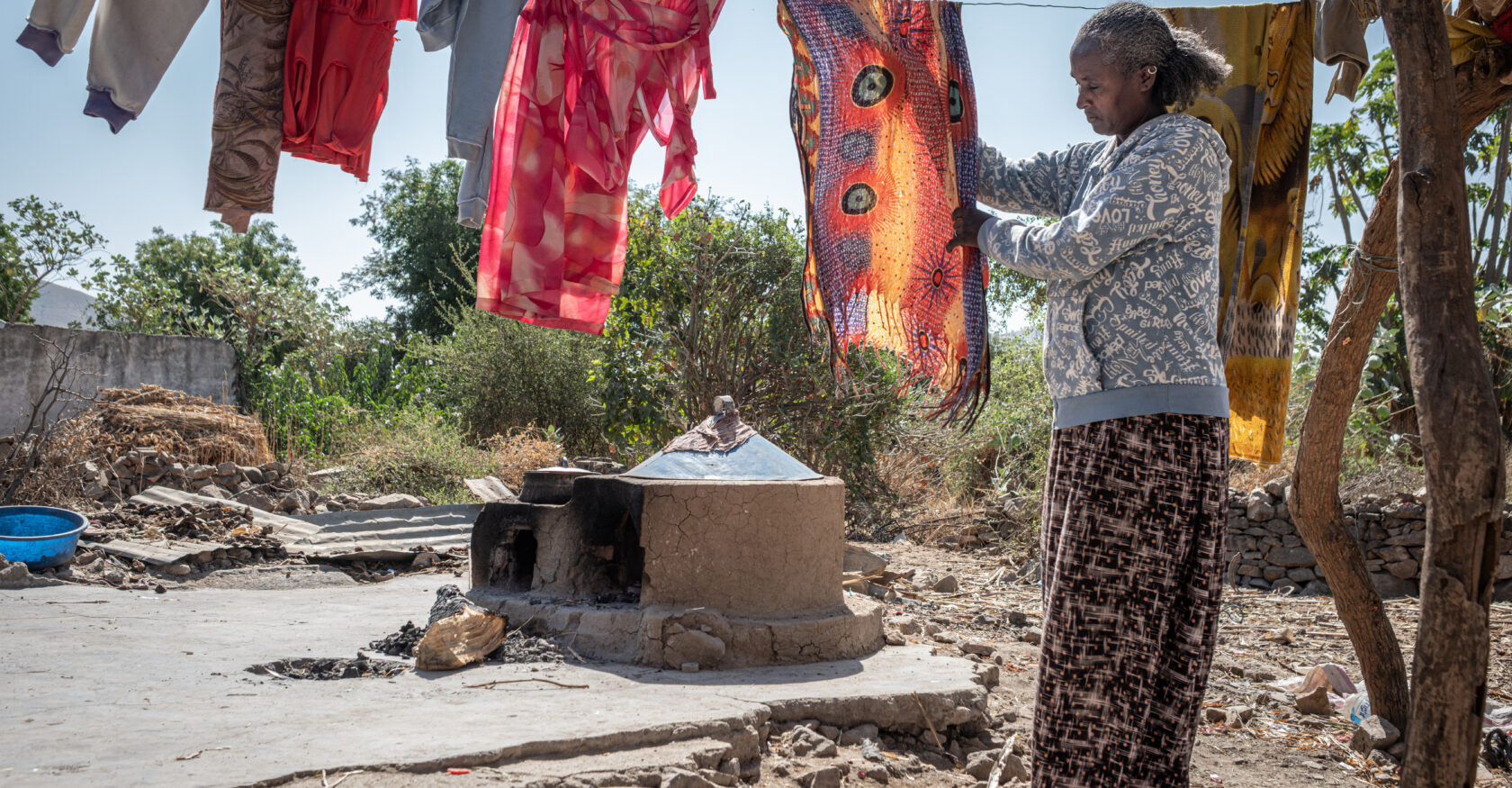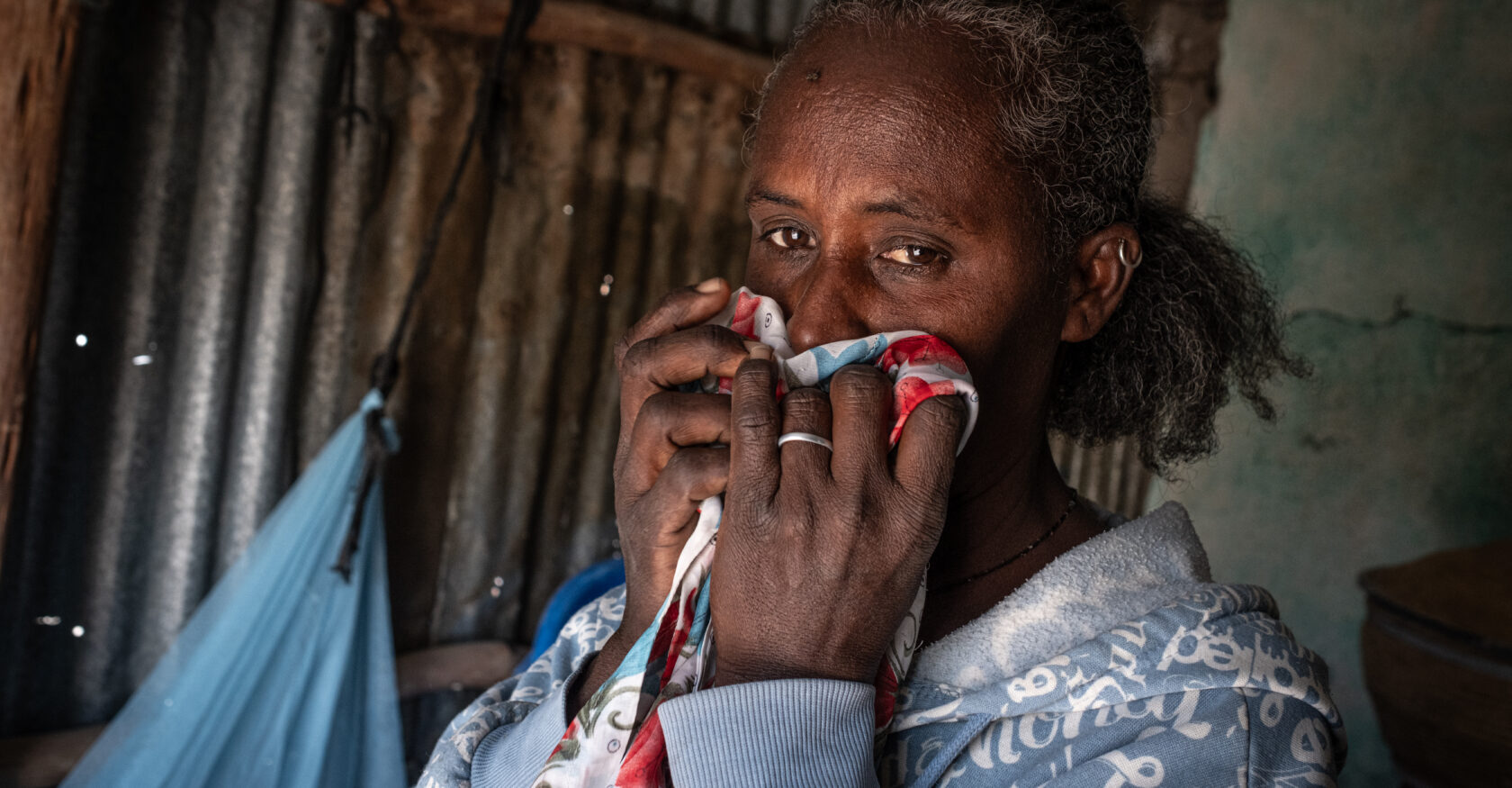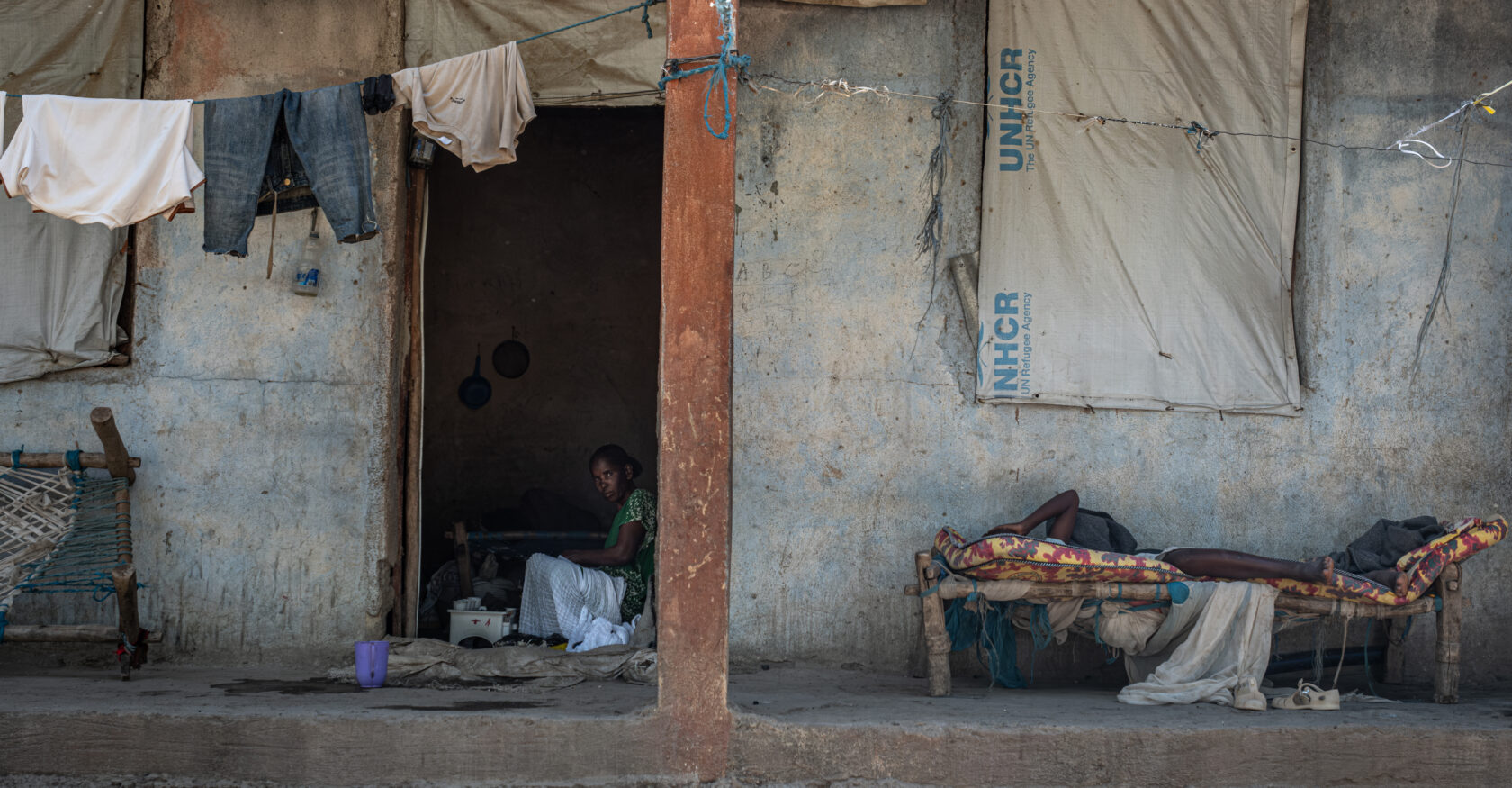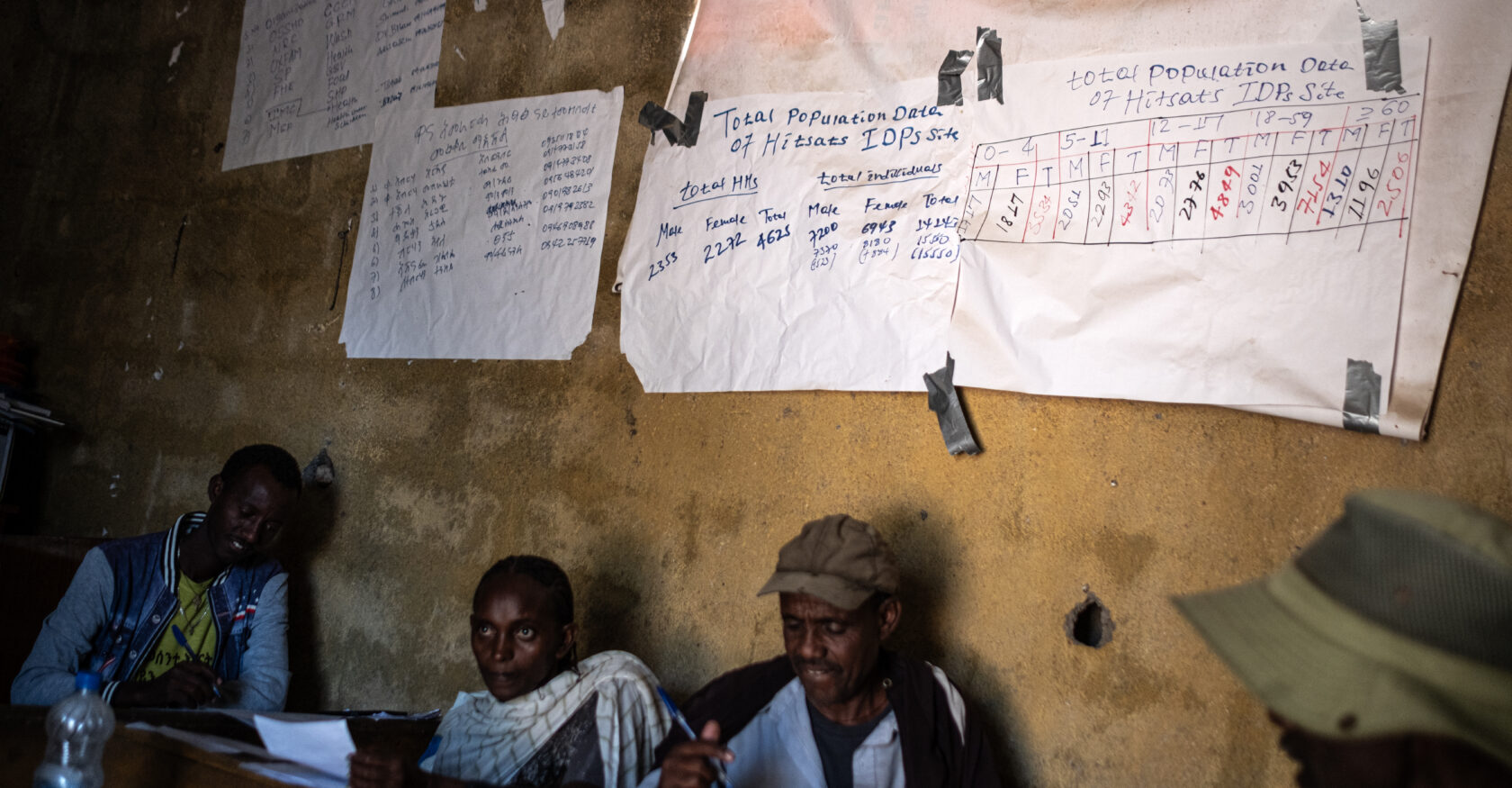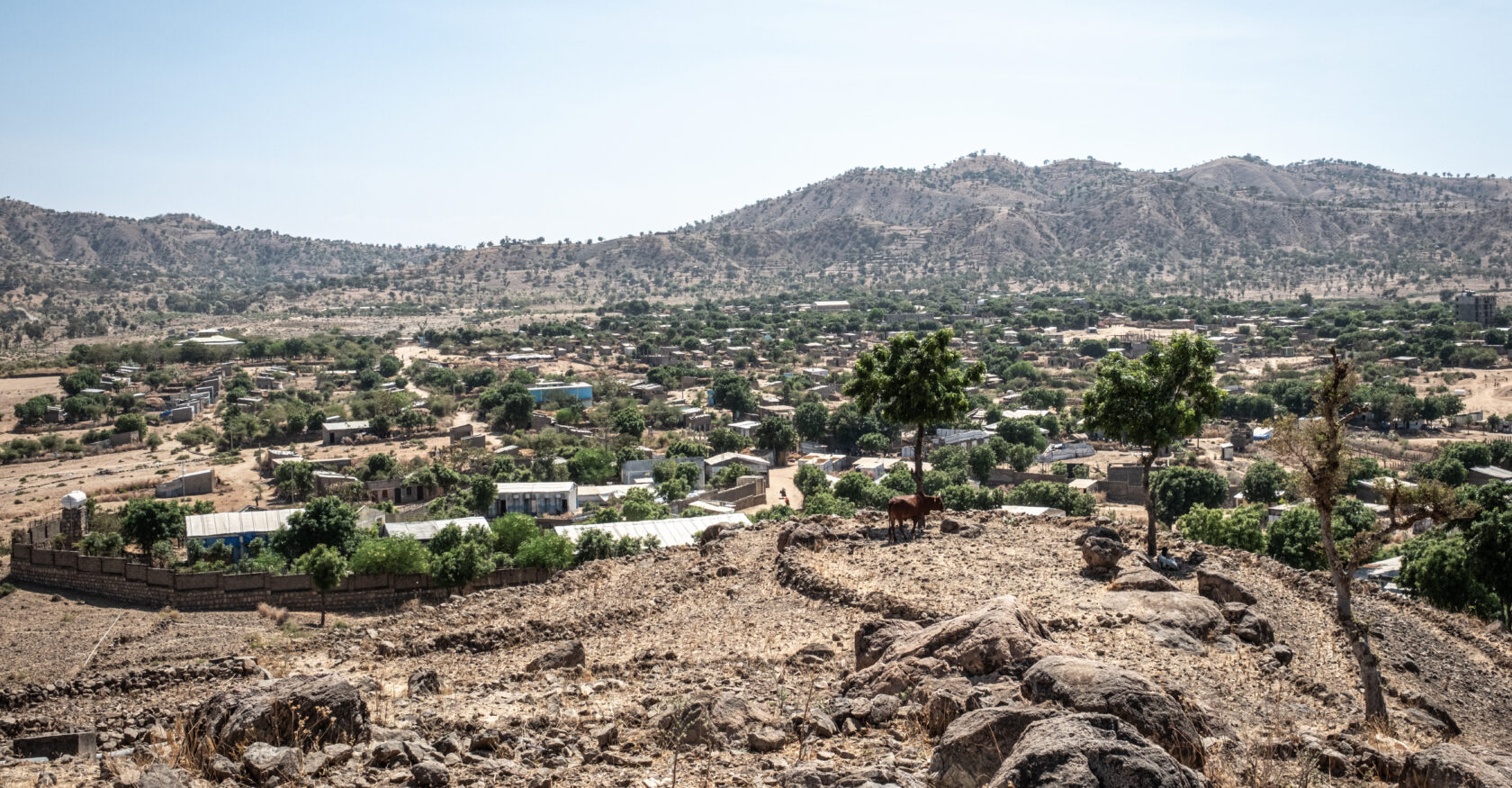











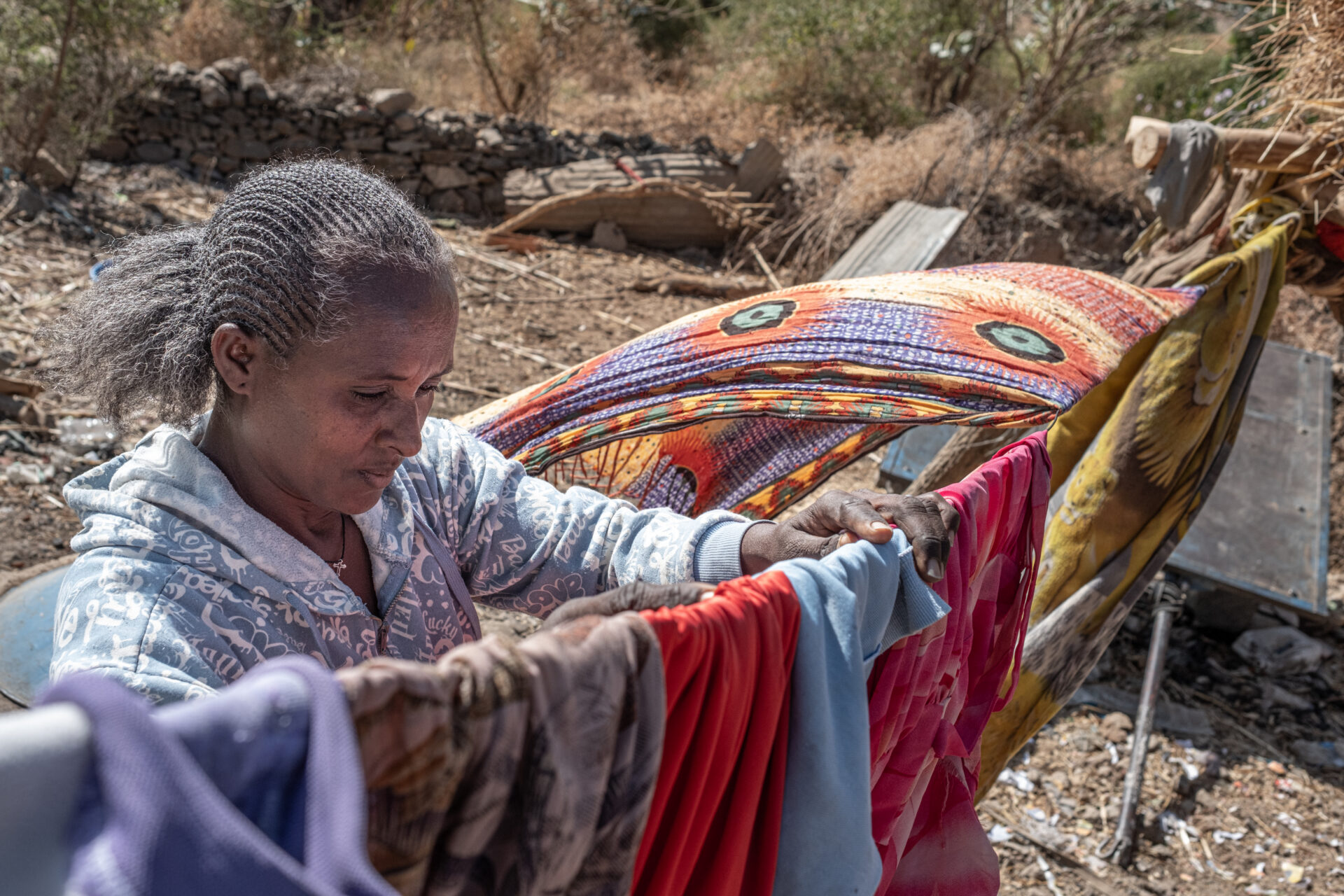
After the wind knocks laundry from the line, Abeba Berhane steps out of her shelter in Hitsats IDP camp in Ethiopia’s Tigray region. She shakes the dust from the fabric and hangs it back in place. The camp, home to about 15,000 displaced people, according to local authorities, lies in Asgede district west of Shire in a dry stretch of land not far from the Eritrean border. Berhane has lived here for five years with her husband and eight of her nine children, displaced from Rawyan in western Tigray when war erupted in late 2020.
The war was fought between the Tigray People’s Liberation Front (TPLF) and Ethiopia’s federal government, backed by Eritrean forces and allied regional militias. It began in November 2020 after months of escalating tensions between Addis Ababa and the TPLF, which had dominated Ethiopia’s ruling coalition for nearly three decades before Prime Minister Abiy Ahmed took office in 2018. The conflict was marked by widespread allegations of war crimes and a near-total siege that triggered a severe humanitarian crisis. The two-year conflict forced more than a million people from their homes and killed up to 600,000 according to researchers at Ghent University in Belgium, with this high-end figure also cited by the African Union. Hitsats is one of its stark reminders. Camp residents like Berhane cannot return home. Parts of western Tigray remain under dispute.
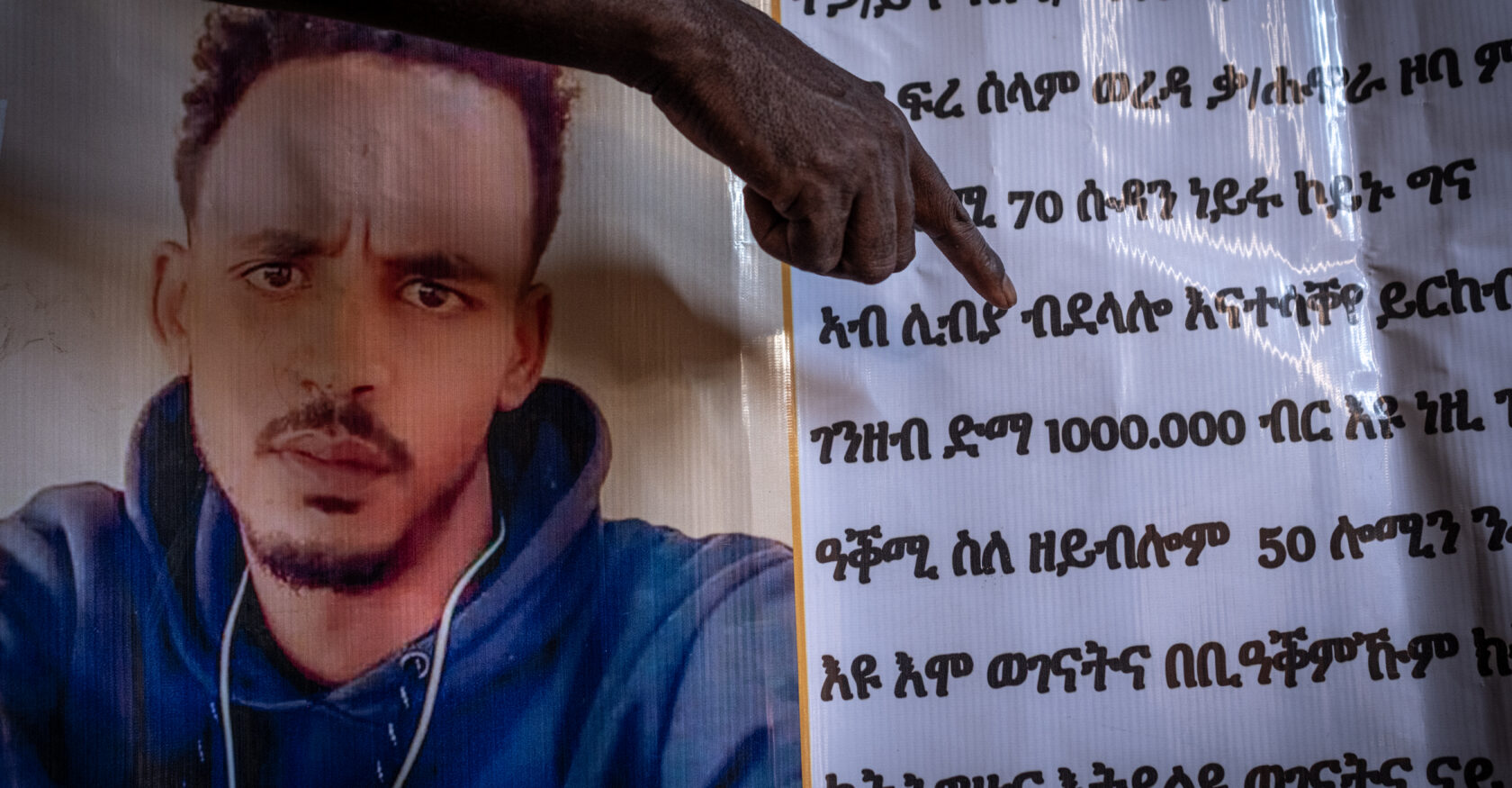
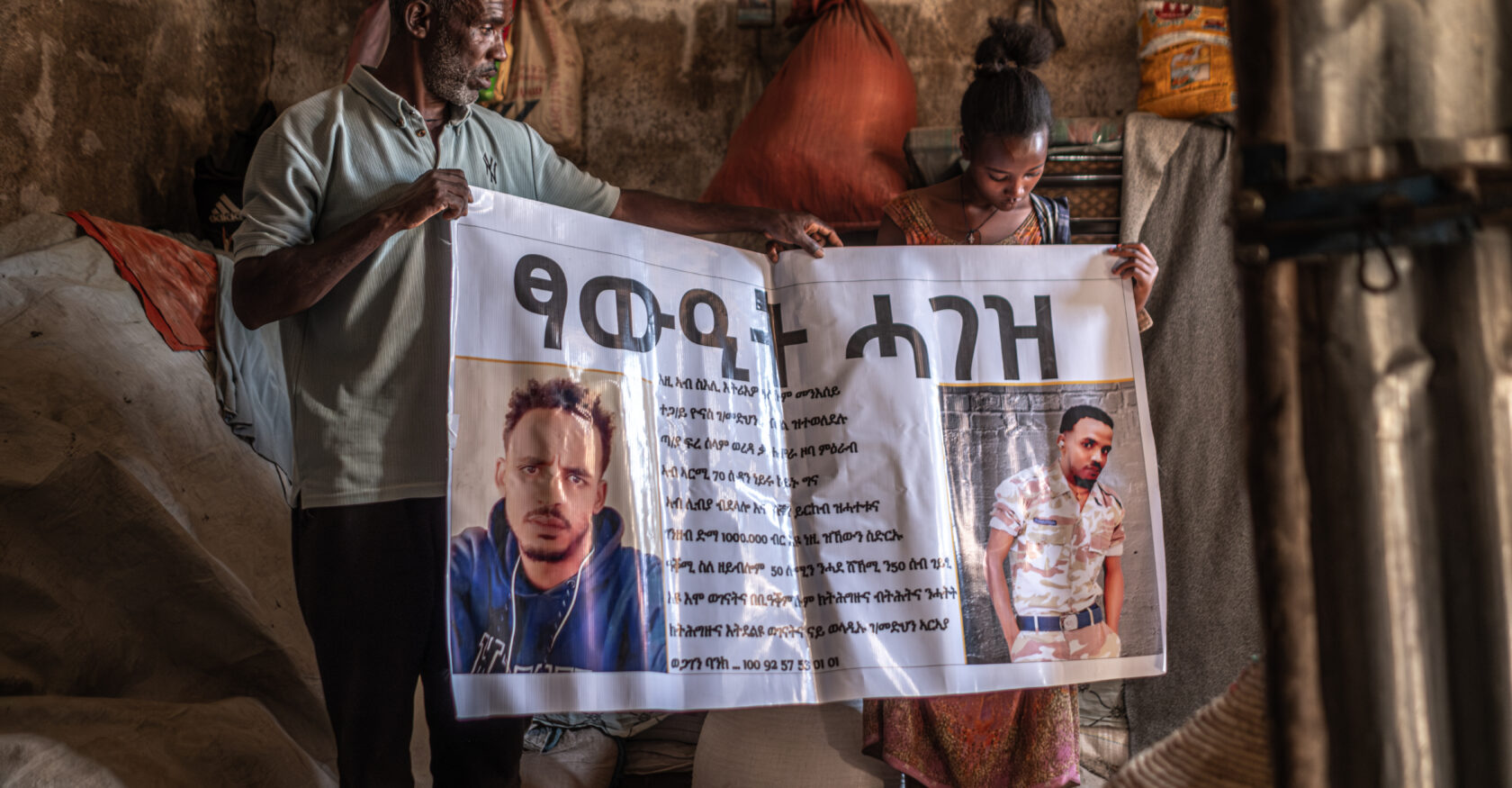
Three years ago, Berhane’s daughter, 25-year-old Merhawit Zerya, left without telling the family where she was really going. She said she was heading to Addis Ababa to look for work. Instead, she began the journey north toward Libya, hoping to reach Europe.
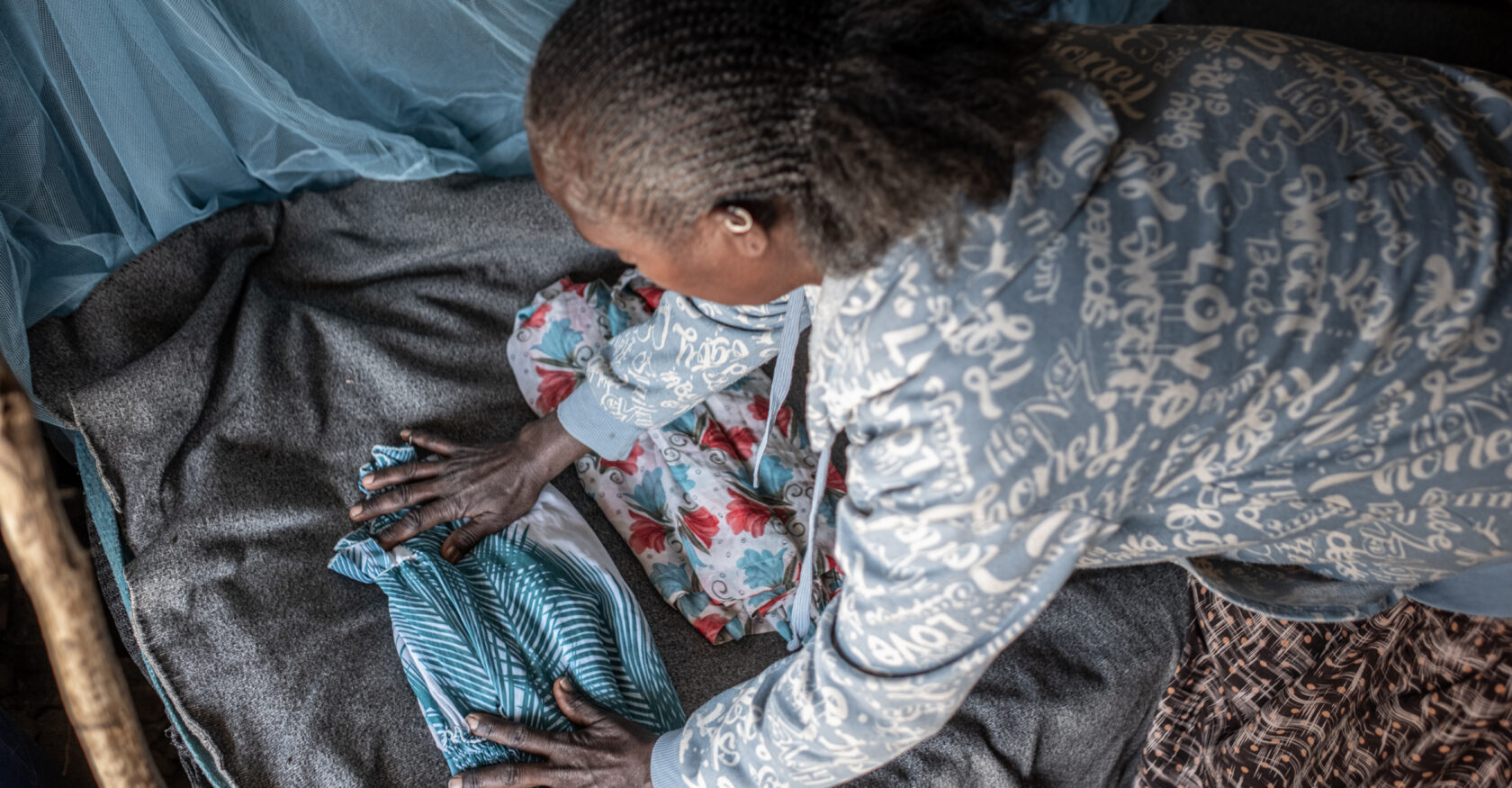
The clothes Berhane just lifted from the dirt are not her daughter’s. But she says they remind her of the few garments Merhawit left behind in a drawer before disappearing. “I keep her clothes carefully,” Berhane says. “They are the only things she left with me.”
Months passed without news. Then the phone rang. “They used to make us listen to her crying by beating her,” Berhane says. The men on the other end of the line demanded money. “They asked us if she is our daughter. We denied that because we could not afford to pay.” The traffickers demanded 1.8 million birr, roughly $11,500, a sum the family could never raise.
For more than a year, Merhawit was held in a detention facility in Libya controlled by traffickers, her mother said. Human rights groups and UN agencies have documented how migrants on the Libya route are frequently imprisoned in informal facilities run by armed groups and smuggling networks, where extortion, torture, and forced labor are common. In prison, Berhane says, she drank dirty water and developed kidney problems and tuberculosis. When she became too sick to be exploited, her captors released her. She is now in Tripoli, no longer in the traffickers’ custody but still in a precarious situation. According to her mother, she has no legal documents, limited access to work, and fears being detained again. But returning to Ethiopia would mean going back to displacement and hardship.
Before the war, the family owned livestock, cars, and a large farm in Rawyan. Displacement reduced their lives to a shelter in this isolated camp, far from the land they once cultivated. “She could not accept this kind of life,” Berhane says of her daughter’s decision to leave. Merhawit had promised to support her siblings, including a brother with a heart condition. Now, from Libya, her daughter tells her something Berhane cannot forget. “I would rather die in the sea than return to the kind of life you are living there.” She has also made her intentions clear: “If I get the chance, I will still try to cross to Europe.”
Berhane sometimes goes to church to ask for help for Merhawit, but it is never enough. Sending money for costly medicine is nearly impossible.
She is not the only mother in Hitsats waiting for a call from Libya. According to camp representatives, nearly half of the families here have at least one relative who has left in recent years, most of them young men and women heading north.
I would rather die in the sea than return to the kind of life you are living there.
Merhawit Zerya
Across Ethiopia, migration has surged as economic hardship deepens. Inflation reached 13.5% in 2025, according to the Ethiopian Statistical Service, and the poverty rate rose to 43% this year, according to the World Bank, reversing decades of progress. 168,400 people exited Ethiopia along the Eastern Route between January and September 2025, according to the International Organization for Migration, most traveling through Djibouti and Yemen toward Saudi Arabia. Tigray is one of the main regions of origin. IOM data shows that 31% of migrants on the Eastern Route in 2025 came from Tigray — a figure based on monitored transit points and likely an undercount.
Another, less documented route runs west through Sudan into Libya, with Europe as the intended destination. In its latest report on the Northern Route, the IOM noted that tracked movements nearly tripled between 2021 and 2022, though data remain limited. The IOM tallied 894,890 migrants in Libya in 2025, of which 40% were from Sub-Saharan Africa, with 1,513, (0.17%) from Ethiopia.
In Tigray, still struggling to recover from war and with flare-ups and ongoing tensions threatening a renewal of active conflict, migration has become a calculated choice for many. The conflict formally ended in November 2022 with the Pretoria Agreement. But peace has not brought stability. Infrastructure remains damaged, farmland abandoned, and public services strained. Jobs are scarce, and recent reductions in US humanitarian assistance have further weakened already fragile support systems.
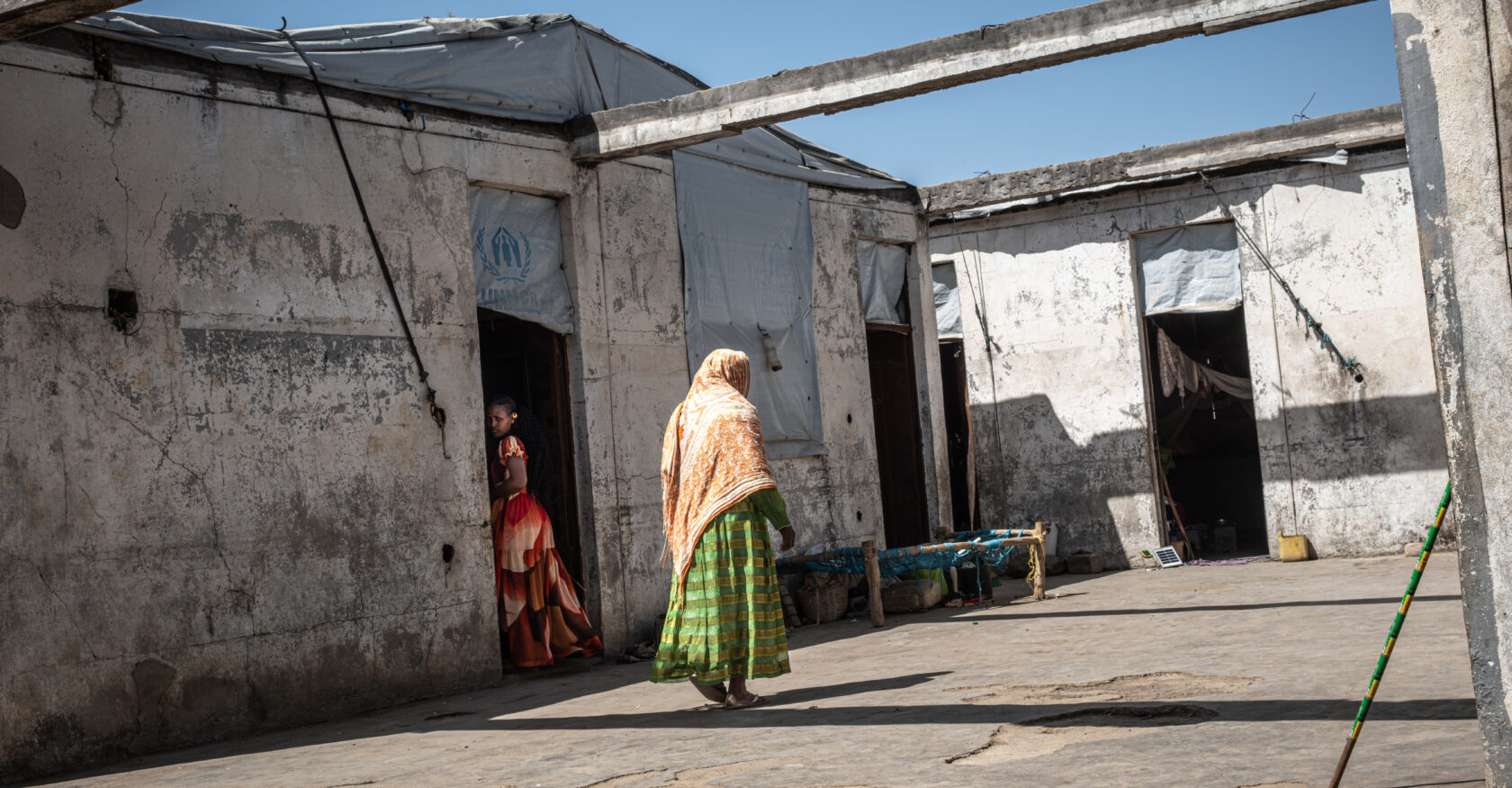
Nearly 800,000 people remain displaced across Tigray, many sheltering in schools, unfinished buildings, or camps like Hitsats. Large parts of western Tigray remain under Amhara forces’ control, and Eritrean troops continue to maintain positions in the north.
Politically, the region remains unsettled. The TPLF, which before the war was a main player in Ethiopia’s political scene for decades, has had its legal status revoked by the national election board and is excluded from Ethiopia’s June 1 elections. The party itself is internally divided between factions advocating dialogue with Addis Ababa and others rejecting cooperation with the federal government. Key provisions of the peace agreement, including the disarmament and reintegration process and the restoration of contested territories, remain unimplemented.
At the same time, relations between Ethiopia and Eritrea have again deteriorated. Both governments have recently reinforced positions near contested areas, raising fears that Tigray could once again be drawn into confrontation.
For many young people, the future feels suspended.
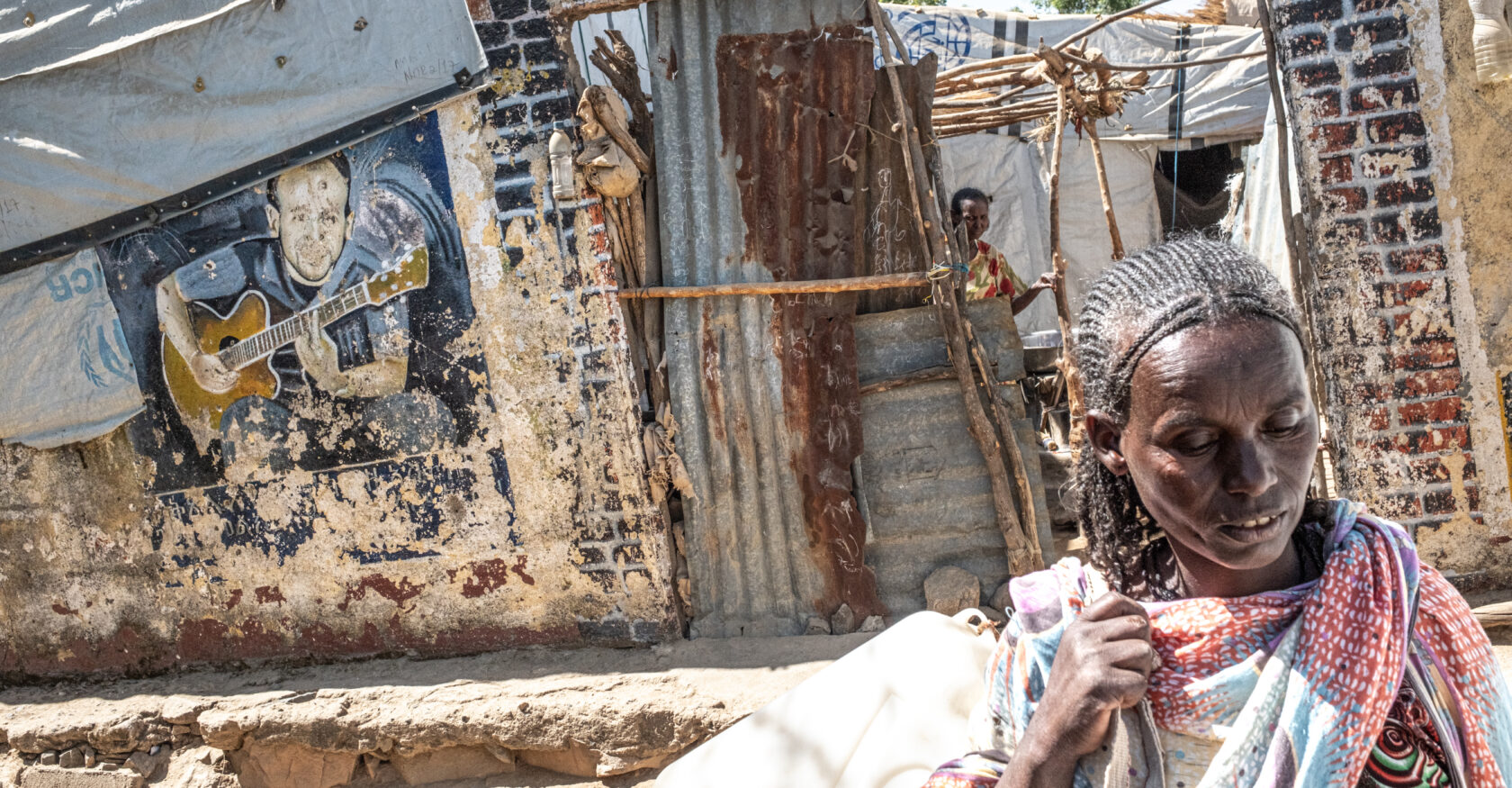
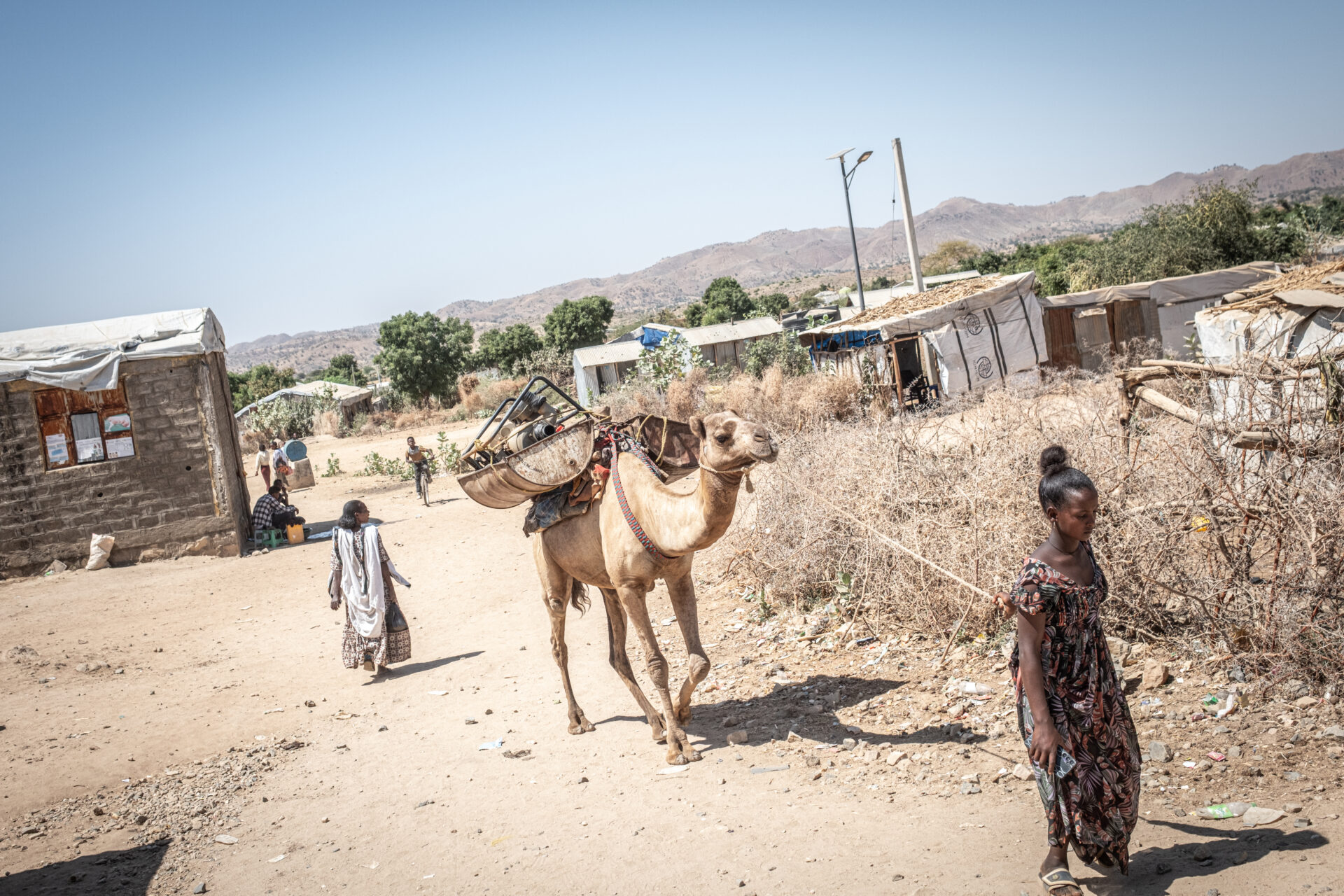
Hitsats lies in a dry plain near the Eritrean border. Built to host Eritrean refugees fleeing the war that began in 1998, its aging concrete structures now house Tigrayan IDPs in improvised living spaces between two rocky hills.
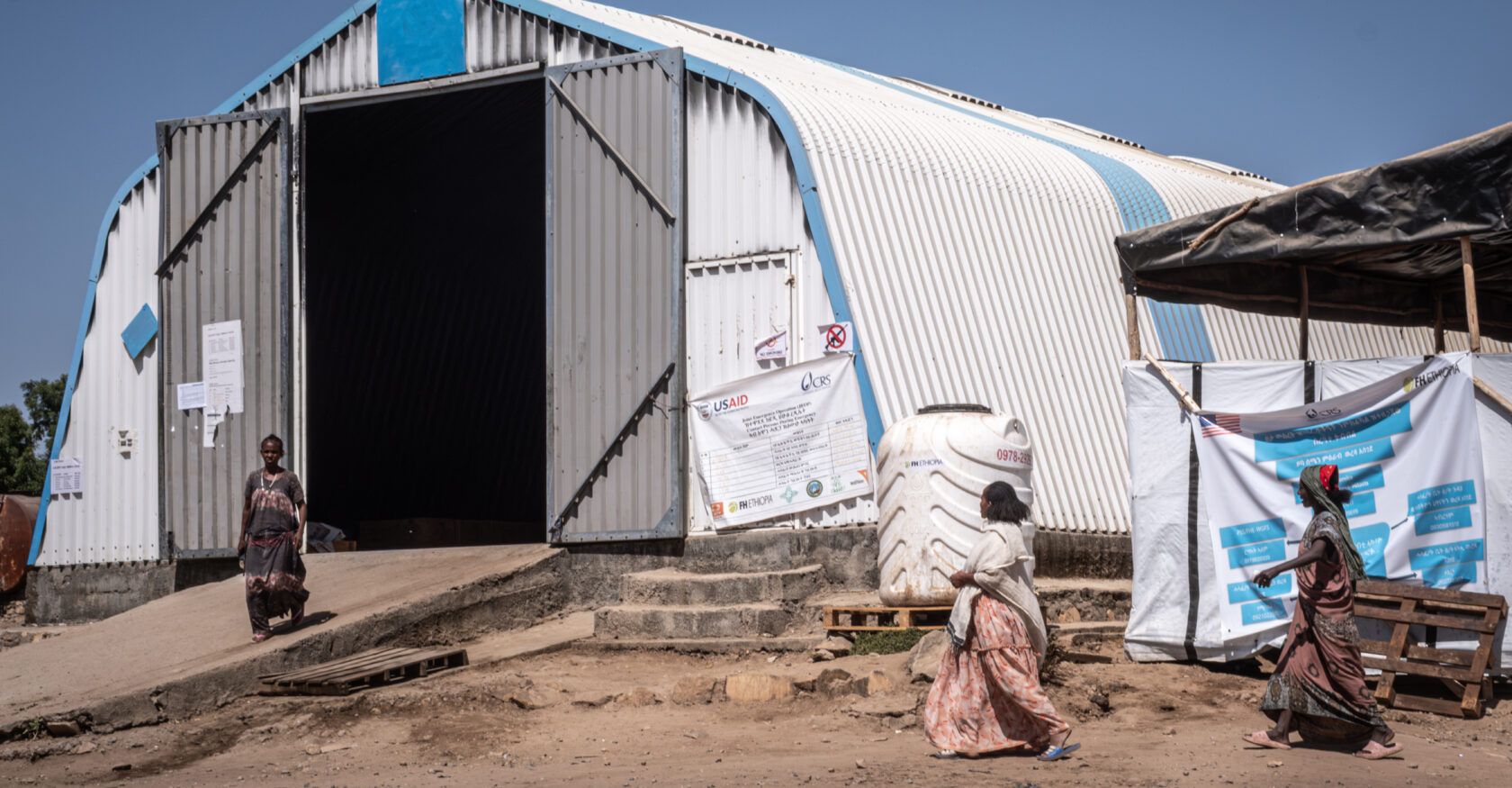
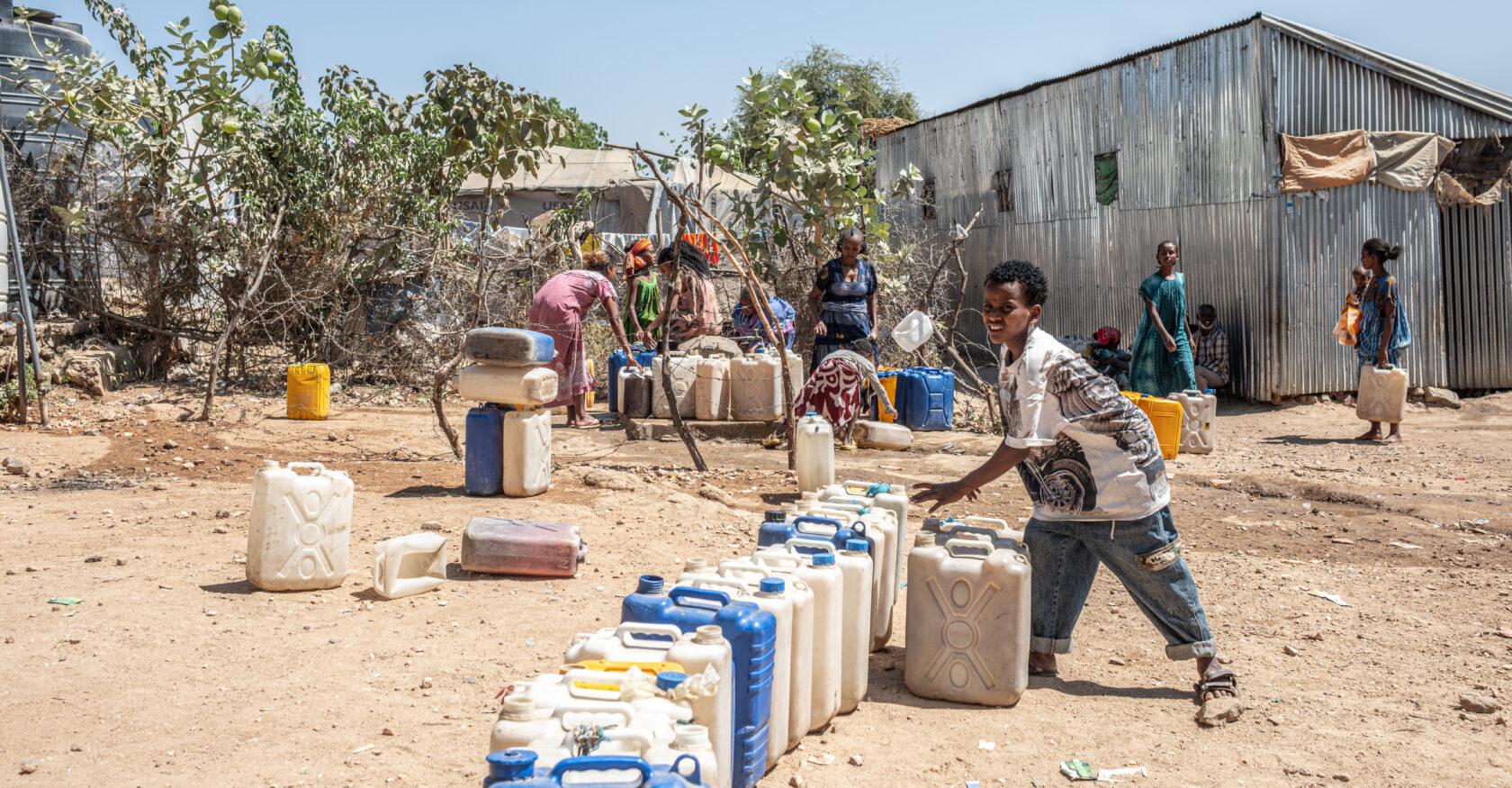
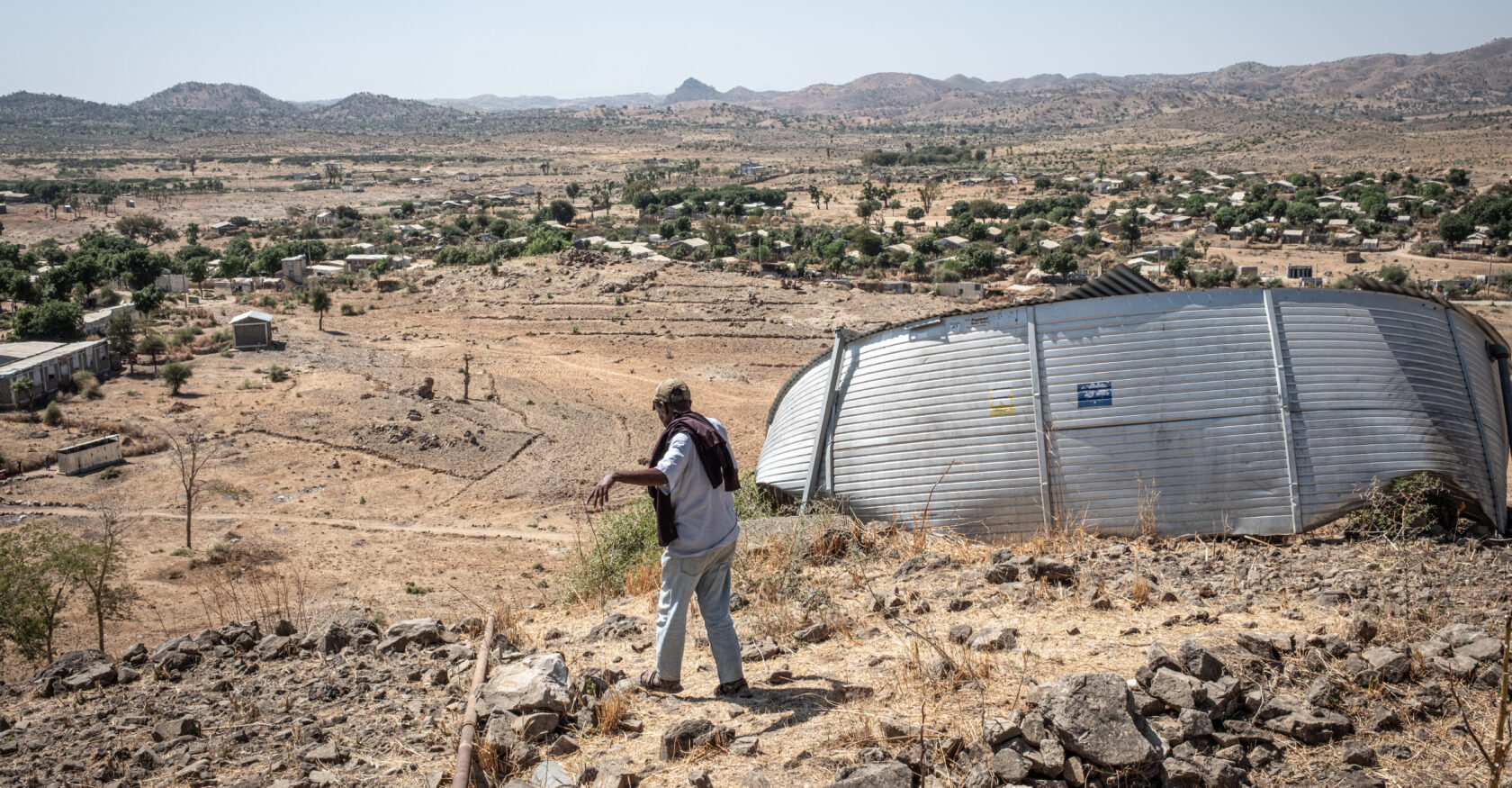
Near one of the few functioning wells, people queue with yellow jerrycans to draw water. On a nearby hill, three large water tanks once supplied the camp. Two were destroyed by strong winds, and only one remains operational. Without sufficient storage, access to clean water remains fragile. At a food distribution point, women wait for sacks of sorghum. Not far away, young boys try to sell small dried fish caught from a nearby pond. Every source of income matters here.