






Skip to content

Letter from Beirut: Searching for Solace Between Israeli Airstrikes

As Israel escalates its war on Lebanon, much of the country's displaced search for ways to get by in Beirut.

Words: Madeline Edwards
Pictures: João Sousa
Date:

The Israeli spy drone’s loud hum starts suddenly, the opening salvo of an ugly concerto. It is flying low today. Down on the street, passersby stop to look at the sky and point as the MK draws its circles above Beirut. 

“Sorry, the sound was distracting,” I say, turning away from the window and back across the table at Samiha Abo Hawash, who has met me for coffee. The 29-year-old math teacher, with gentle eyes, fled Tyre, Lebanon’s southernmost major city, several weeks ago. Her four-year-old daughter, Lydia, and two parents came with her. 

Though they lived in Tyre, the family are Palestinian and hail originally from Haifa, the next major city down along the eastern Mediterranean coast, before the Nakba uprooted them. That recent night in March, they had no destination in mind. Instead, they simply had to leave, toward anywhere, to escape Israel’s bombs. The five of them ended up in Beirut’s bustling Hamra district, in a crowded maze of streets that juts out into the sea, where they are now staying with a family friend. 

A month has passed since a coordinated US-Israeli attack on Iran ignited a deadly regional war. 

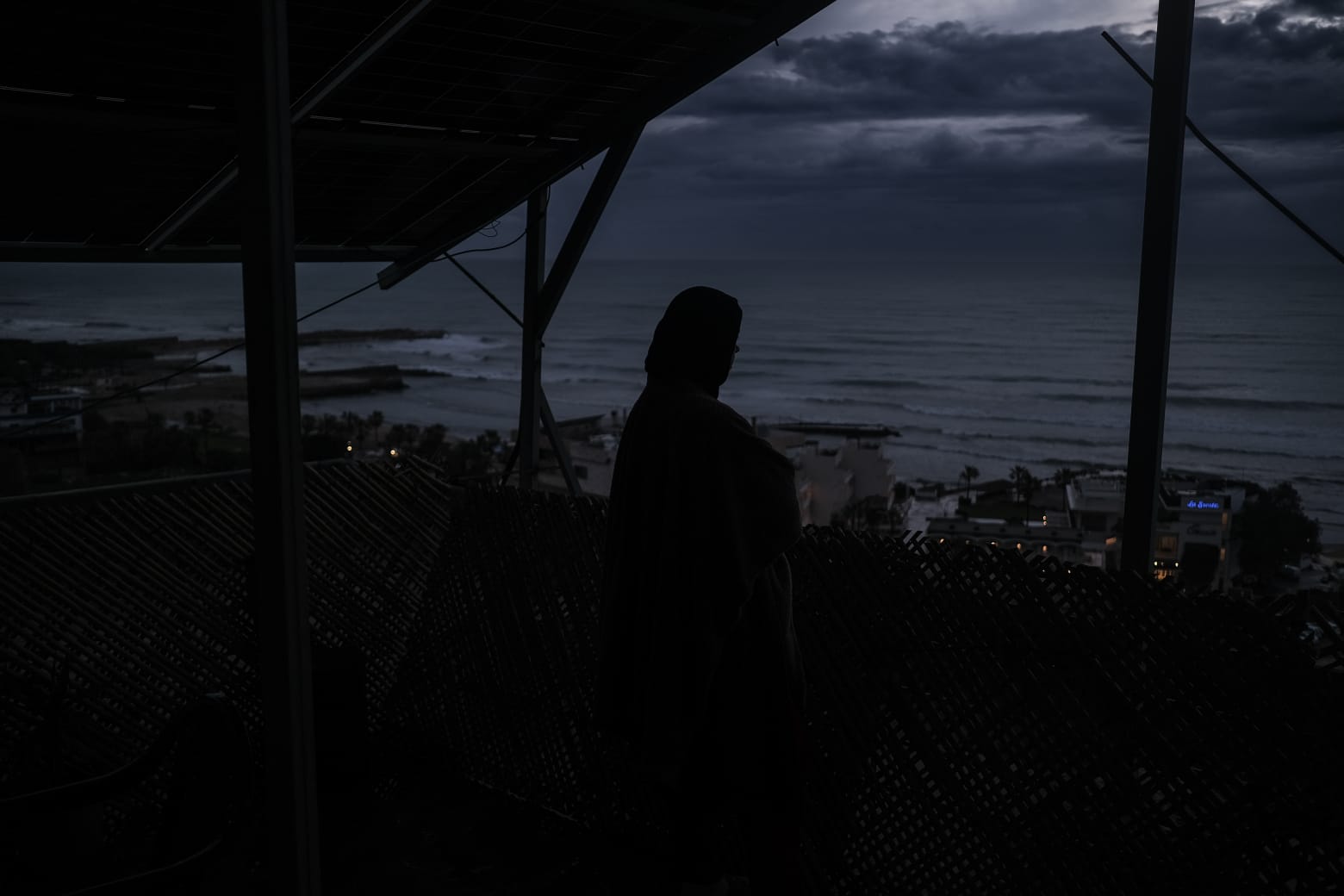
Three days into that war, Hezbollah fired a salvo of rockets at Israel, which responded with heavy bombs on southern Beirut. The sounds woke up my partner and me, and our flatmate, late at night. We ran to the window overlooking Beirut’s skyline, but we already knew what it was. We also knew Lebanon had now become a part of the war.

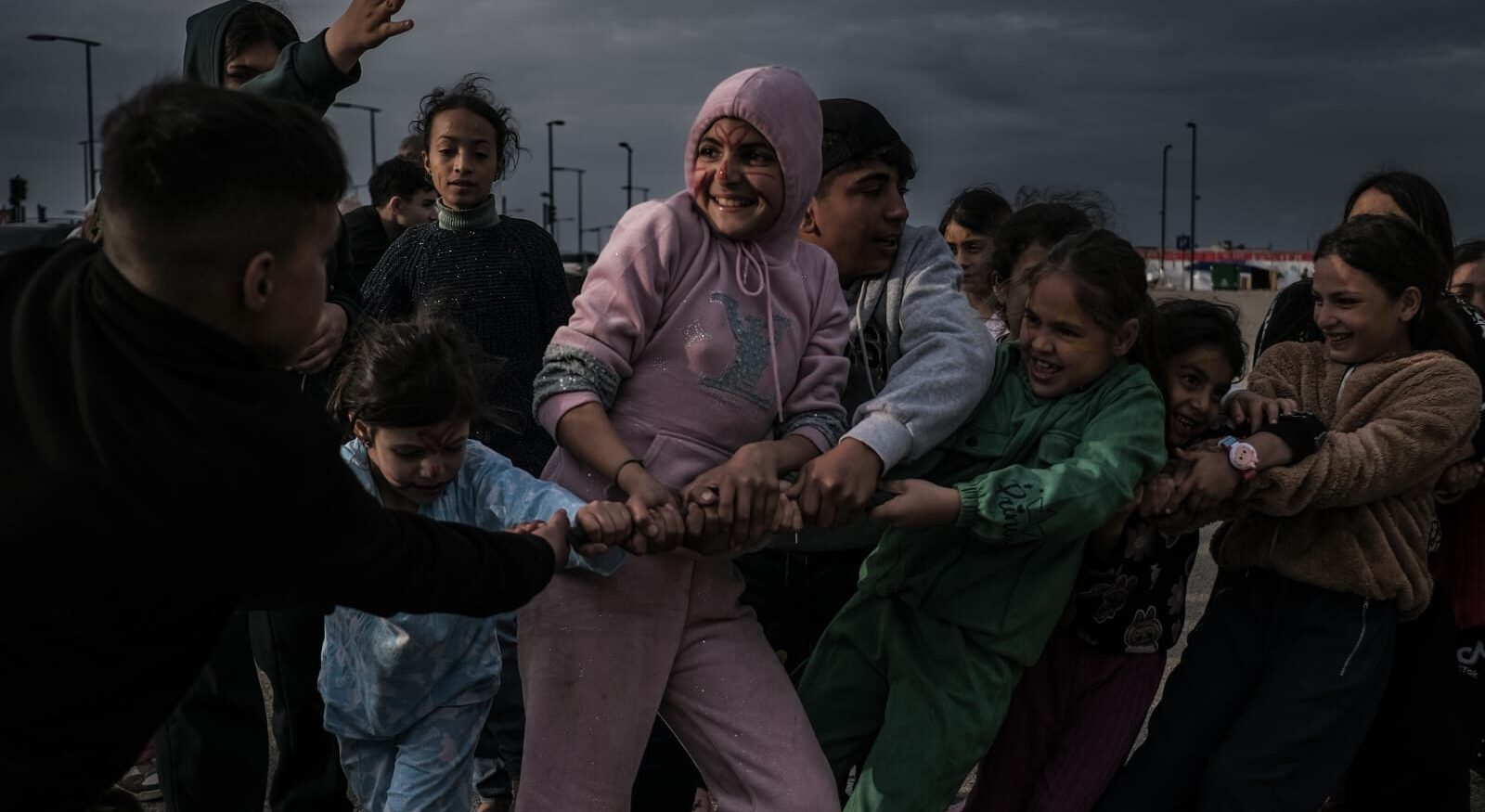
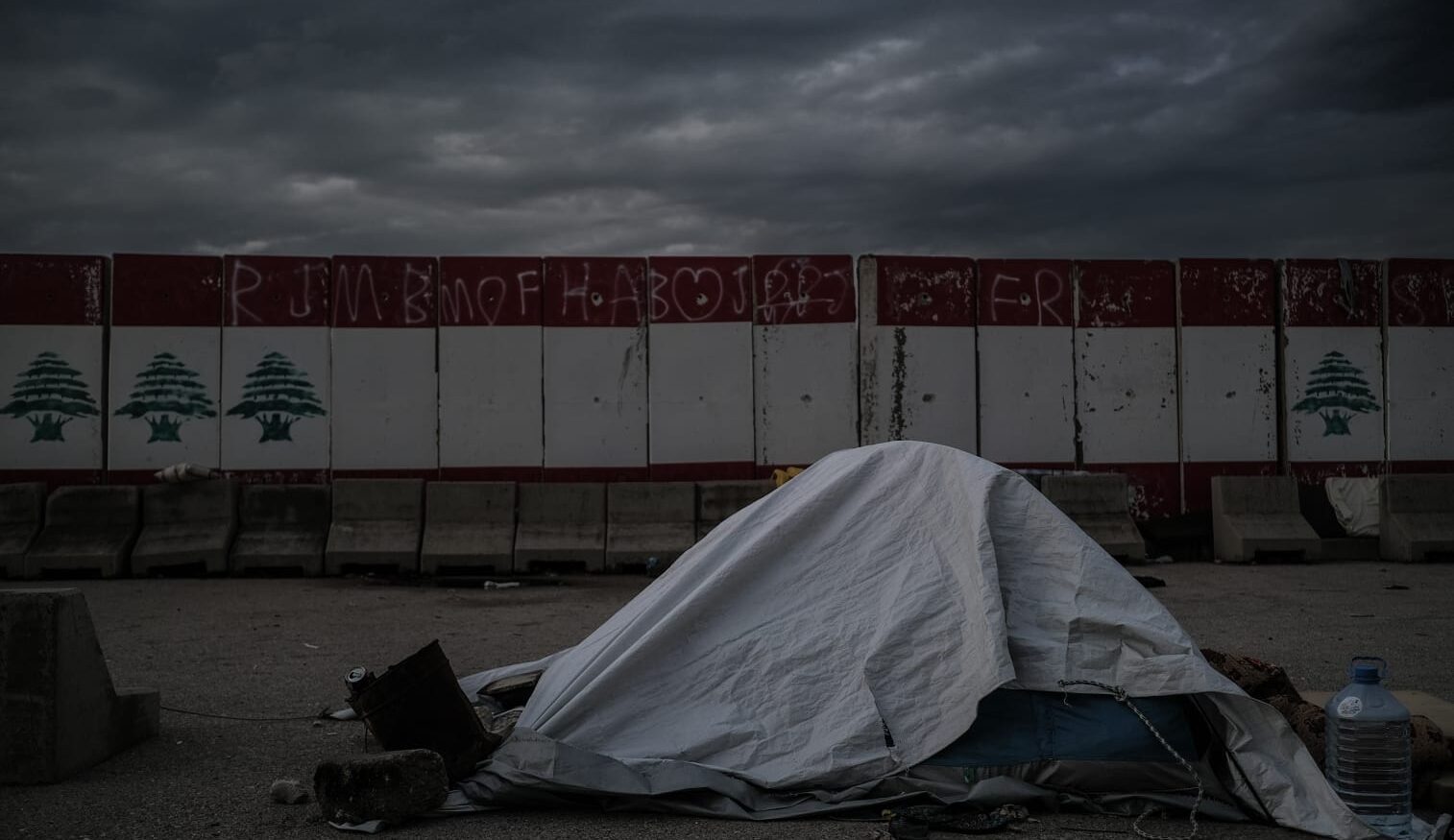
Samiha is among the 1.2 million people who have been displaced by Israel’s bombs since that night. Thousands of them now simply live on the street in Beirut, in tents, with nowhere else to go. Israel killed seven of them earlier in February, on Beirut’s public beach. They are among the more than 1,100 killed and 3,200 wounded so far by Israeli strikes, according to Lebanon’s health ministry. Those numbers still tick upward daily.

This is the second war between Israel and Hezbollah since 2024. Really, though, today’s war is merely the second act of a conflict that never truly ended the first time around. A ceasefire in November 2024 brought some reprieve to what had been a roughly two-month round of fighting that saw Israeli bombs devastate parts of Beirut and the south, though Israel nevertheless continued its near-daily strikes on parts of southern Lebanon and, occasionally, the Bekaa Valley and southern Beirut suburbs, in what it said were attacks on Hezbollah personnel and infrastructure in majority-Shia Muslim regions of the country. Among the deadliest strikes during that time targeted a car in south Lebanon, killing a father and his three young children who had been inside, driving to visit relatives. Only the mother and one teenage daughter survived. 

I remember visiting my friend in a particularly beautiful corner of rural south Lebanon earlier that summer. Overnight, the sound of low booms echoed through the hills. And, often, the hum of an unseen Israeli drone somewhere above us.
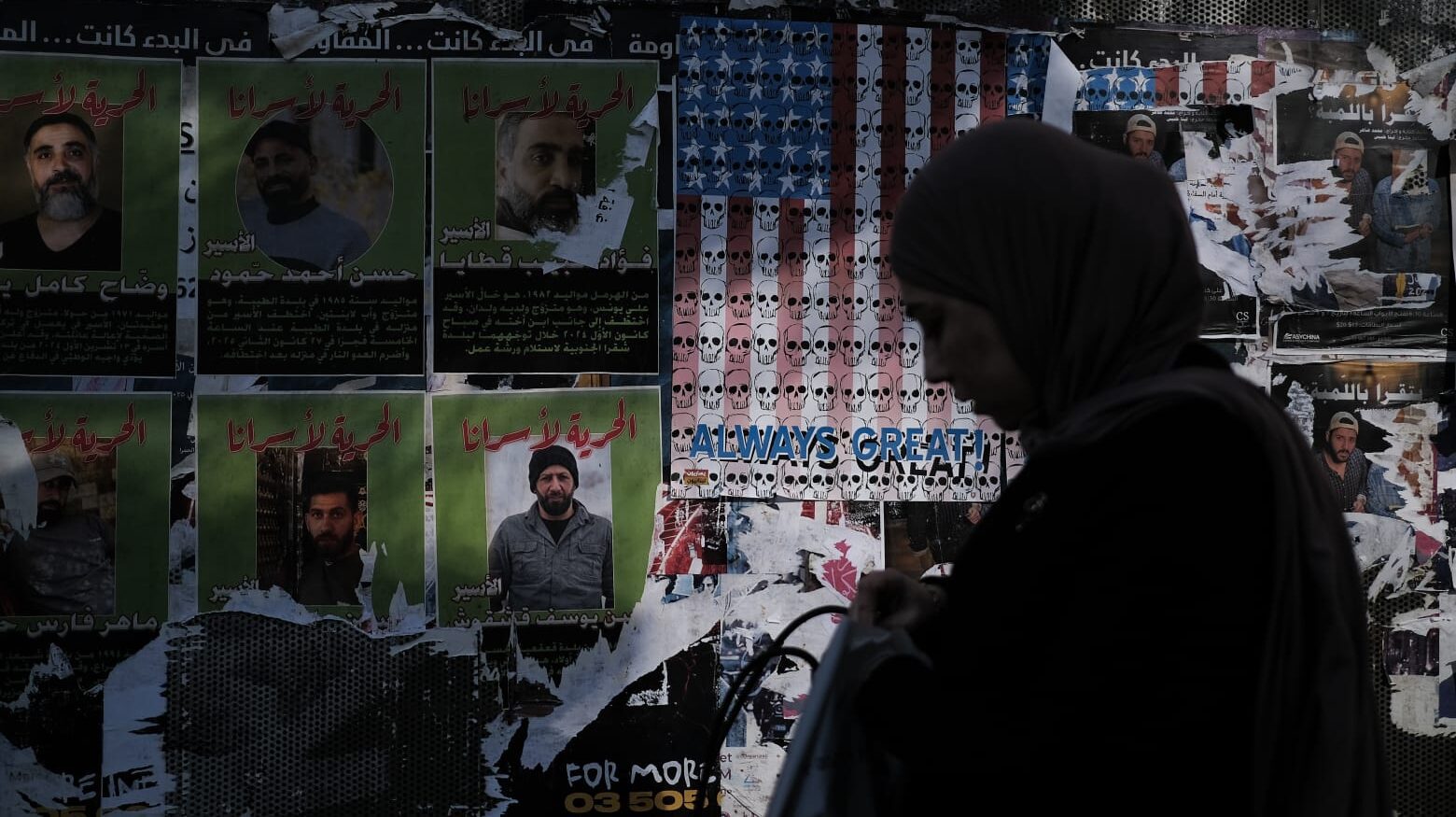
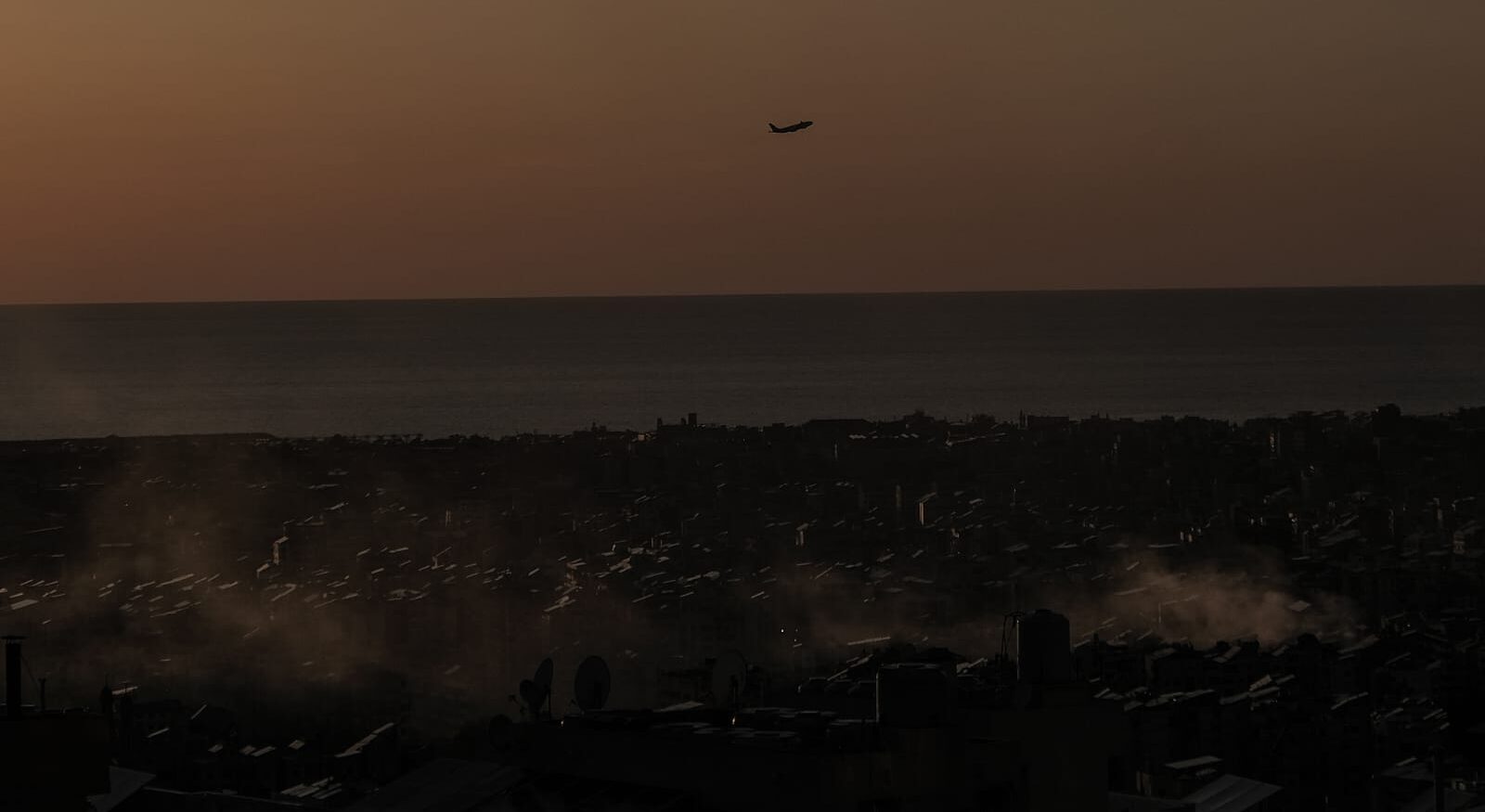
JoaoBeirut (1)
JoaoBeirut (2)
JoaoBeirut (3)
JoaoBeirut (4)

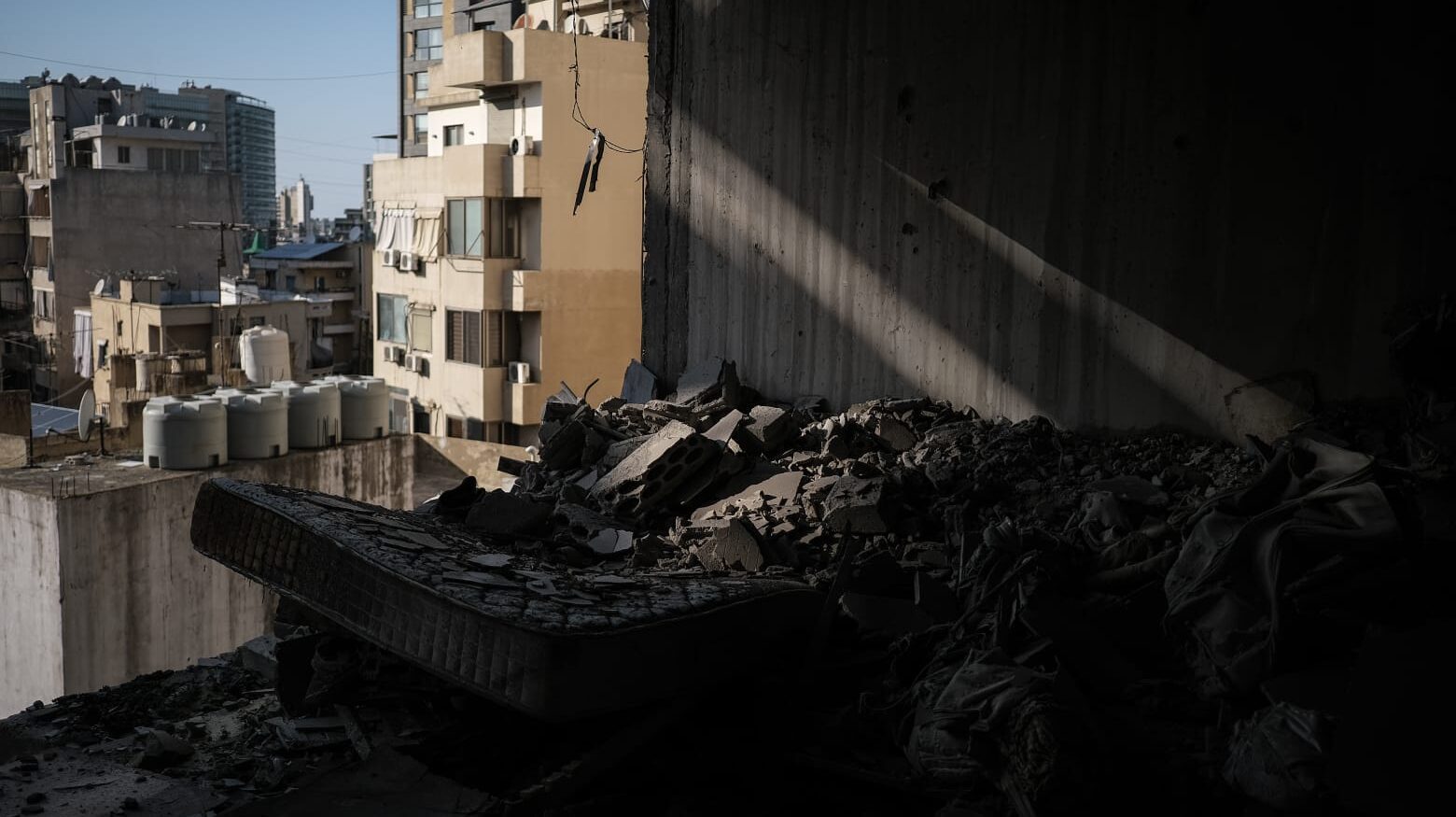
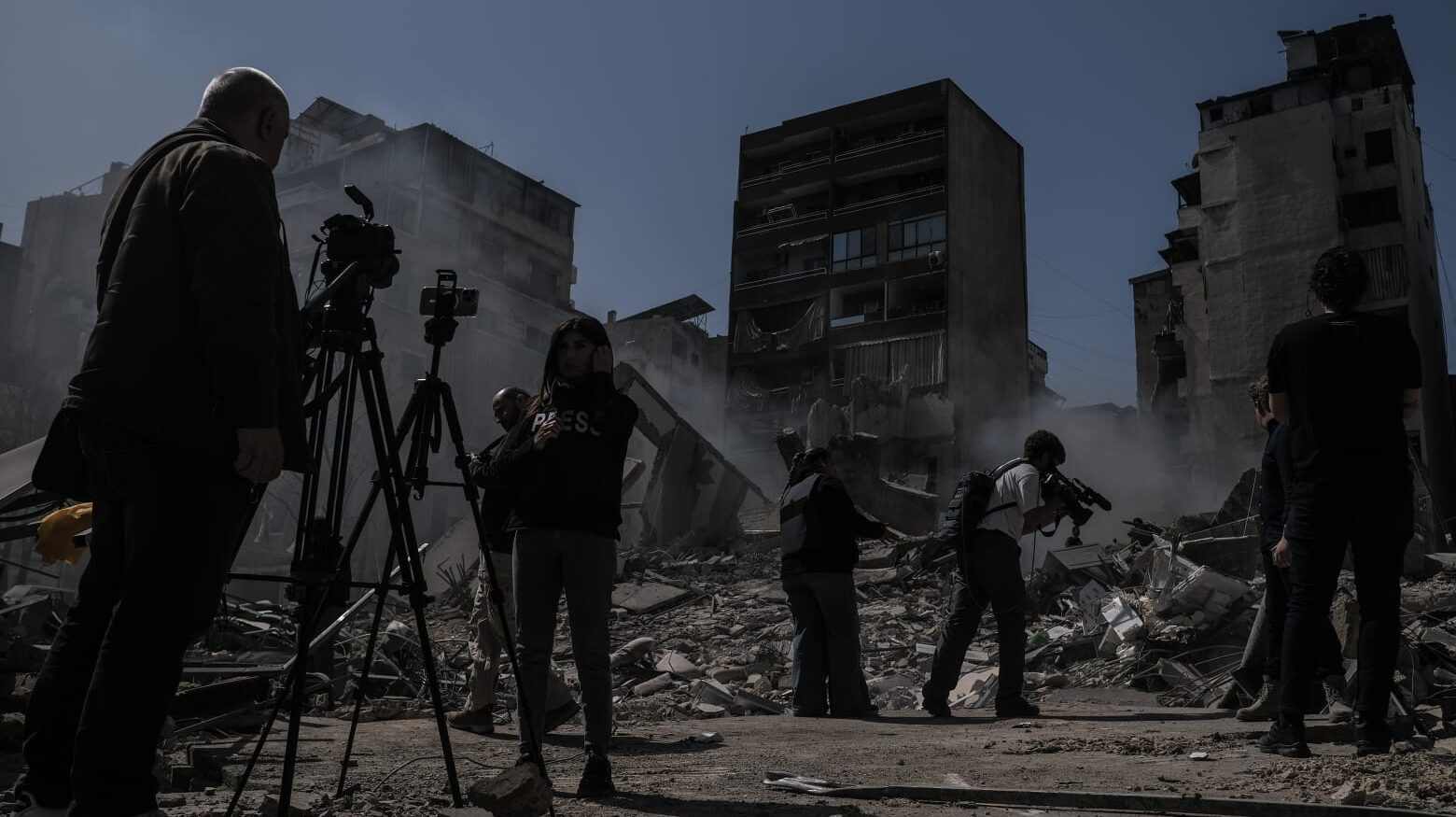
Now, Israel has threatened to invade and occupy that area, a swathe of Lebanon south of Litani River, and has already pockmarked much of the Beirut southern suburbs with heavy bombs. Israeli leaders are also threatening to make parts of Lebanon “like Gaza” — that is to say, a hellscape of mangled apartment buildings and entire neighborhoods reduced to rubble. 

Yet Lebanon, unlike Israel, and unlike the Gulf states now also caught in this war, has no siren system to warn of incoming bombs. There are no public bomb shelters. There are only the frantic social posts from Israeli military spokesperson Avichay Adraee, “warning” which buildings, neighborhoods, or entire districts are to be bombed next. Sometimes there are only moments to pack up and leave. Sometimes there are no “warnings” at all.

When it was time for Samiha to flee Tyre, she knew only because of the deafening sound of automatic gunfire outside that woke her up late at night. Local guys were using the loudest method at their disposal to warn residents of an incoming Israeli attack. 

Cars crowded the way out. “It took us hours to get to a part of Tyre that’s just 10 minutes away by walking,” she remembers. Finally, the family made it to Beirut, though they had to leave many of their belongings behind.

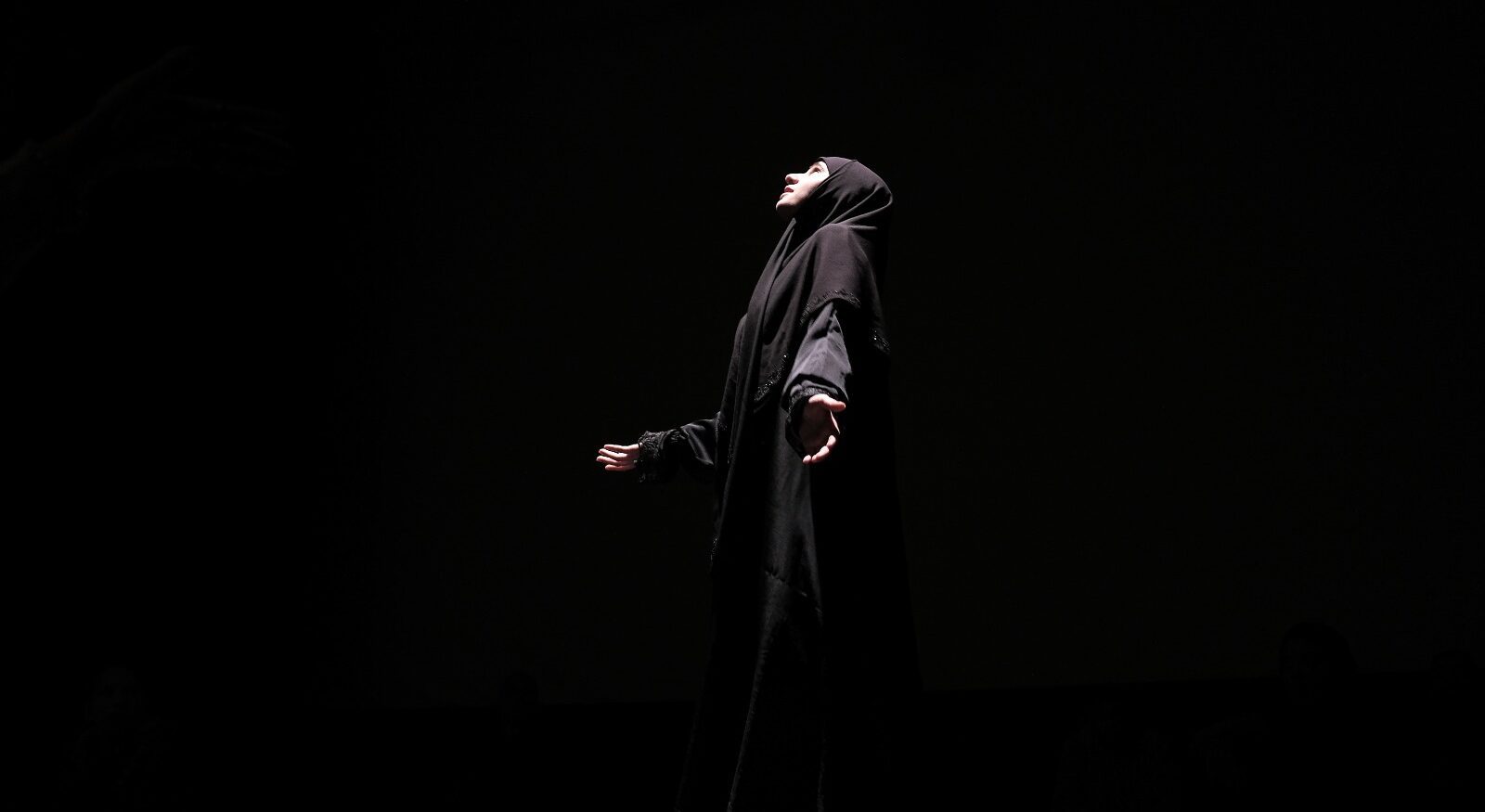
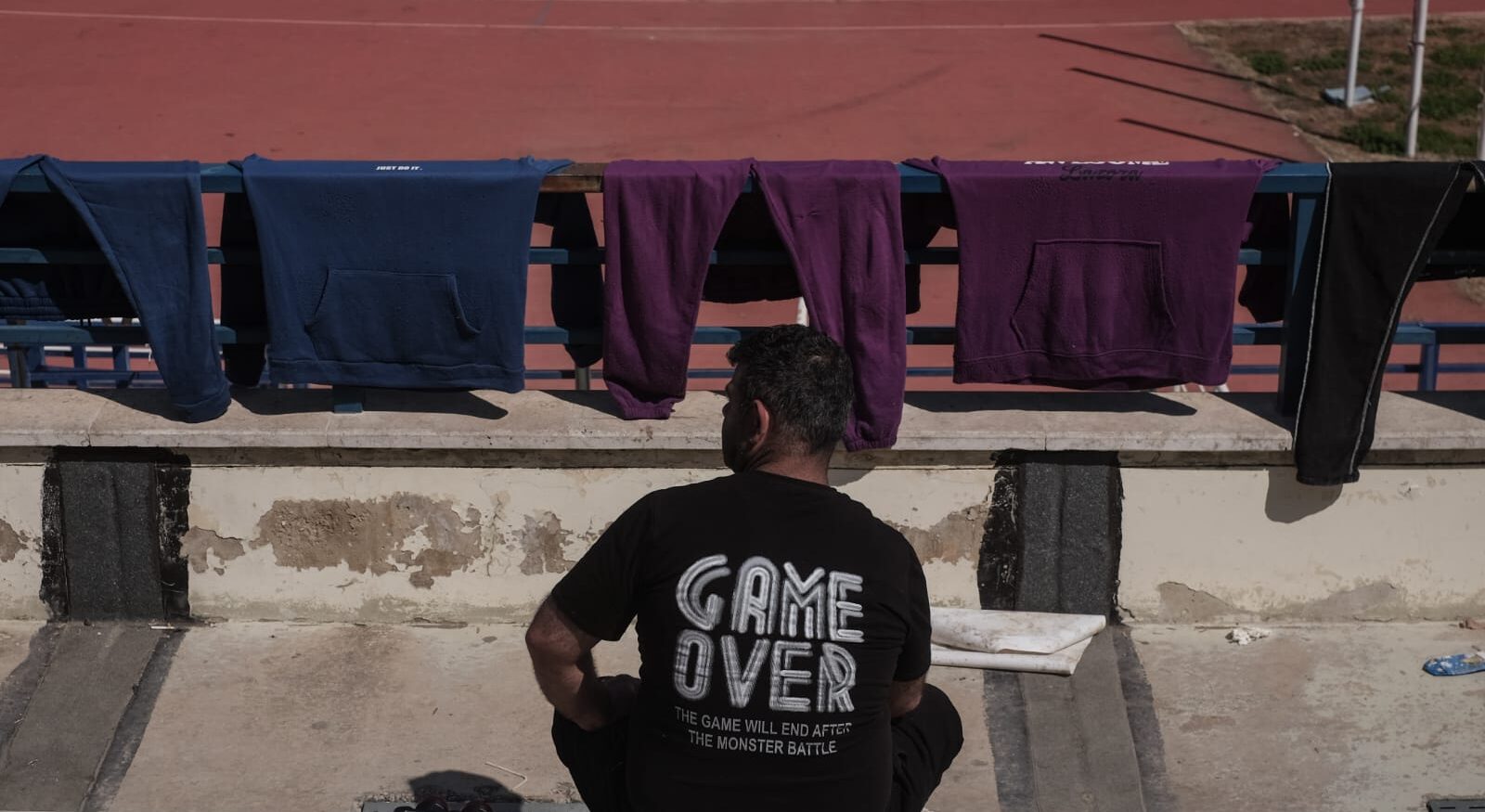
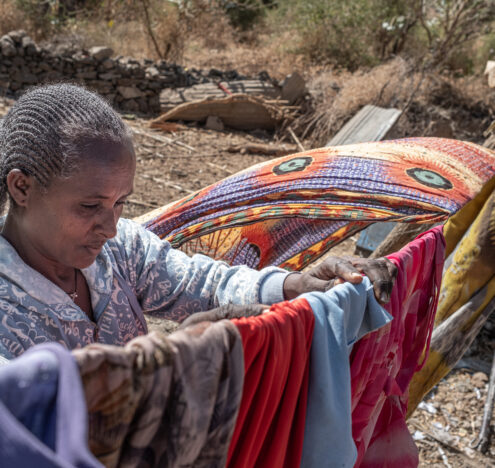
To walk through Hamra, my favorite part of Beirut, is to pass by the familiar shops, cafes, and friends’ apartments, all now rendered part of a deadly battlefront against our will. There is the theater, now advertising film screenings for displaced children: Toy Story, Toy Story 2, Toy Story 3. Inside, displaced families sleep in makeshift clusters, with some of the teenagers taking part in a play about their experiences fleeing home. There are the boutique hotels, now draped in the drying laundry of displaced families who have moved in. Nobody knows how permanent or fleeting the new arrangement will be. 

Even Barzakh, the cafe where I sit with Samiha, is now half-running half as a soup kitchen supplying the surrounding schools, themselves now serving as shelters for the displaced. One afternoon this month, as I meet with Barzakh manager Khodr Issa, two young volunteers return giant rice and stew pots from a delivery to a displaced shelter southeast of Beirut. Behind the counter, young women in matching volunteer vests wrap sandwiches, adding them to a vast pile that will soon be delivered to a nearby school shelter for dinner.

Much of the aid response to the war has been like this one: run by local businesses and nonprofits, funded by donations from Lebanese people themselves. Even so, this round of war has already seen far fewer donations than in 2024, Khodr says. At that time, Barzakh also took part in providing food to the displaced. Worse yet, the donations are already tapering off as the weeks of war roll on. 

BeirutJoao (1)
BeirutJoao (2)
BeirutJoao (3)
BeirutJoao (4)

At the beginning, in early March, “it was almost $7,000 [in donations] per week,” to fund food and blankets for displaced families. “Now it’s almost $2,500,” he says, but the staff are still cooking as many meals as possible, he says. 

Khodr is still numb from the previous war. “I’m going to be 40 next month. I’ve seen four or five wars so far. … In the last war, I lost two friends. We still didn’t process it, weren’t able to grieve. I went into a shock, but I thought if I fall apart now, people won’t eat tonight.” 

Also in Barzakh, librarian Rand, who asks that I not share her family name, works part-time sorting books and magazines for sale in the bookstore section of the cafe, in Arabic and English. She lives nearby and hears the sounds of the bombs often. There is also her mother’s hometown of Shebaa, a rural village on the border with Israeli territory that is now part of the area under threat of full invasion and occupation. 

“The last time I went there was like a dream,” Rand tells me over cigarettes out on the cafe balcony. She remembers the local cherries and blackberries, and the village-made labneh

It’s not clear yet when anyone might be able to return, as Israel sends more troops to invade south Lebanon. 

With no end in sight, Rand is finding some solace in reading. Her favorite book at the moment is Assata: An Autobiography, a 1988 memoir by Black American political activist Assata Shakur. A member of the Black Panthers and Black Liberation Army, Shakur was convicted in the 1973 murder of a New Jersey State Trooper. According to her account, police brutally beat her after her arrest. She later escaped prison and lived in Cuba, where she had obtained political asylum, until her death last September. 

“The way she writes, it’s incredible,” Rand says. “It’s like, ‘We might die but we’ll keep fighting until the end.’”

Meanwhile, Samiha says she’s found little comfort these days, now stuck in Hamra, and “nothing” of the small joys she remembers in Tyre. There, she had painted her own bedroom and made the house her happy place. 

“I wish I could have taken the whole house with me.” Sometimes she works to grade her students’ homework, sent to her online because her school is no longer in-person. Her daughter, Lydia, also watches educational videos sent to her by her teachers. It isn’t Lydia’s first war, though Samiha tries to explain to her, in terms she can understand, what is happening to them. “I tell her we are not alone.”

“She only asks me about her toys, about her coloring supplies,” which the family had to leave behind in their flurry to leave Tyre. Sometimes there are snippets of Lydia understanding that her home is under fire. “She was talking about her school, saying, ‘My school isn’t far from where they were bombing just now!’”

Some days, Samiha simply takes walks through Hamra, to think. “Usually I’m a positive person,” Samiha tells me. “But now, I don’t know.” 

The drone’s buzzing drags on. I catch a glimpse of it, in quick bursts, tracing mechanical circles among the flocks of birds.

** All photos by João Sousa. Sousa is a photojournalist based in Lebanon and focused on social issues.

Madeline Edwards

Hey there!

You made it to the bottom of the page! That means you must like what we do. In that case, can we ask for your help? Inkstick is changing the face of foreign policy, but we can’t do it without you. If our content is something that you’ve come to rely on, please make a tax-deductible donation today. Even $5 or $10 a month makes a huge difference. Together, we can tell the stories that need to be told.

SIGN UP FOR OUR NEWSLETTERS