













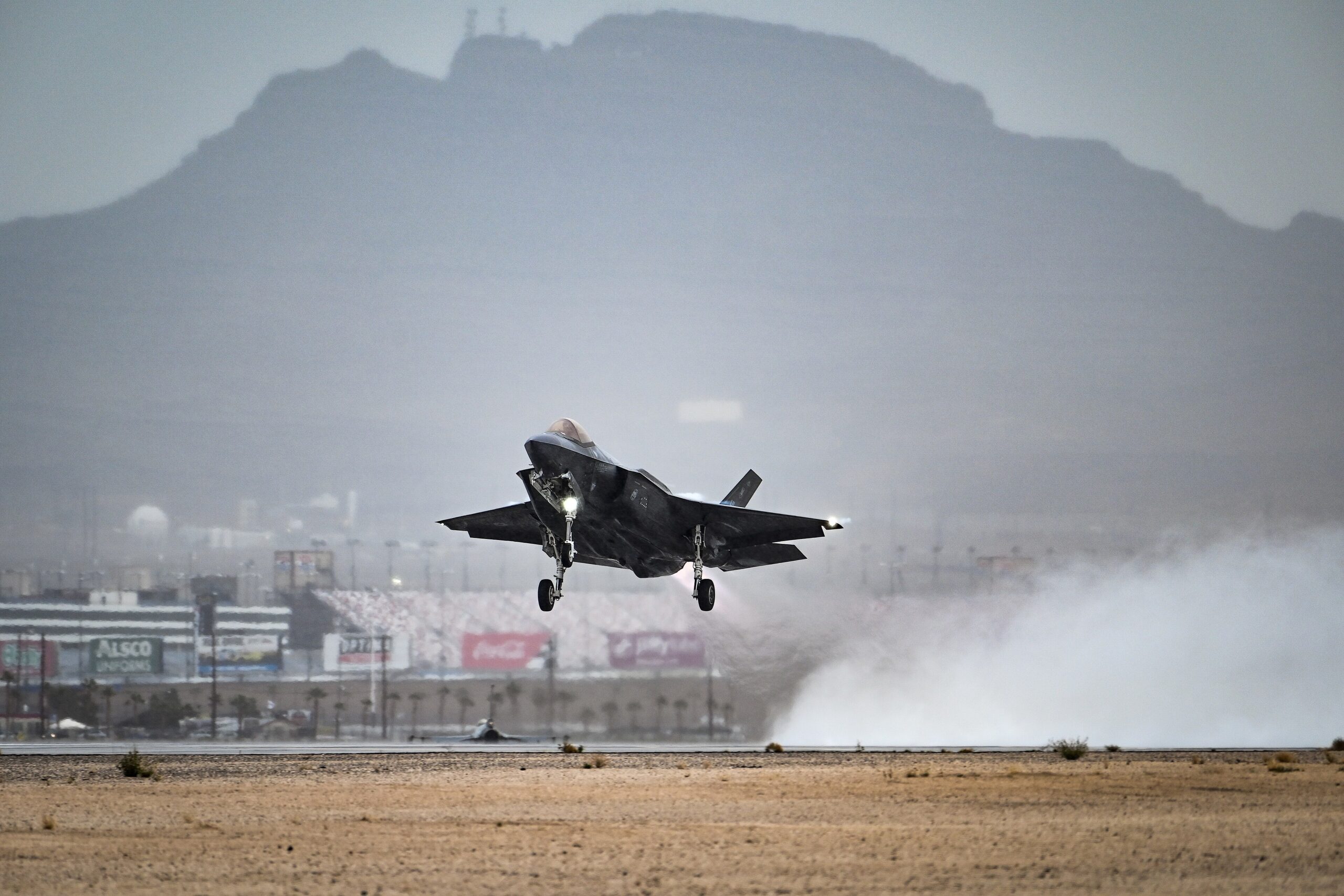
A Pentagon Inspector General audit has delivered a sharp critique of the F‑35 Joint Strike Fighter program, concluding that persistent management failures, weak oversight, and unresolved sustainment problems continued to undermine the aircraft’s readiness and long‑term affordability despite years of corrective promises. The report portrays a program still struggling to translate massive investment into reliable operational capability.
The audit examines how the Department of Defense has managed key aspects of the F‑35 program, managed by Lockheed Martin, and found that longstanding deficiencies remained largely unresolved. Inspectors say the program office and senior defense officials have failed to adequately address chronic sustainment challenges, including aircraft availability, maintenance delays, and escalating costs.
Those shortcomings, the report warns, threaten the Pentagon’s ability to meet combat readiness goals while placing growing strain on service budgets.
Central to the audit’s criticism is the F‑35’s sustainment model, which inspectors describe as overly complex, poorly governed, and insufficiently transparent. The report found that the Department has continued to rely heavily on contractor‑controlled logistics systems without establishing effective mechanisms to validate cost data or performance claims. As a result, the Pentagon lacks a clear understanding of what it actually cost to keep the aircraft mission‑ready and has limited leverage to drive improvements.
Inspectors have also highlighted the F‑35’s persistently low mission‑capable rates as evidence of systemic failure.
The F-35 averaged a 50% readiness rate in fiscal year 2024. This means half of the Pentagon’s fleet was not ready to take to the skies. The audit said this “is 17% lower than the average minimum performance requirement.”
Despite repeated commitments to improve readiness, the audit found that availability targets are routinely missed and that corrective actions are either delayed or inadequately implemented. Maintenance backlogs, spare‑parts shortages, and software reliability issues have continued to ground aircraft across the services, limiting training and operational flexibility.
The audit has also criticized the Department’s handling of the F‑35’s global supply chain, noting that the program’s sprawling network of domestic and international suppliers complicated oversight and accountability.
“F-35 squadrons are also cannibalizing parts to keep aircraft flying instead of being able to rely on receiving parts from Lockheed Martin’s supply chain,” the audit notes. “F-35 squadron officials indicated that they cannibalized parts from other aircraft because of part shortages or supply chain issues with Lockheed Martin.”
Inspectors say the Pentagon has not fully assessed the risks associated with this structure, including vulnerabilities tied to foreign sourcing and contractor performance. Those weaknesses, the report suggests, have left the program exposed to disruptions that could further degrade readiness.
Cost control is another major area of concern. The Inspector General found that sustainment costs have remained significantly higher than projected and that the Department lacks a credible plan to bring them down to affordable levels. The report says officials have relied on optimistic assumptions and incomplete data when forecasting long‑term costs, obscuring the true financial burden of the program. Inspectors warn that without more rigorous cost analysis and enforcement mechanisms, the F‑35 risks crowding out funding for other priorities.
The audit takes particular aim at the Pentagon’s oversight of contractor performance. Inspectors say the Department has not consistently enforced contractual requirements or used available tools to hold contractors accountable for missed targets. In several cases, the report found that performance shortfalls were documented but not followed by meaningful corrective action. This pattern, auditors argue, weakens incentives for improvement and perpetuates a cycle of underperformance.
While acknowledging incremental progress in some areas, the Inspector General concludes that the Department’s overall approach to managing the F‑35 remains reactive rather than strategic. The report says leadership attention tends to focus on near‑term fixes rather than structural reforms needed to stabilize the program. As a result, many of the same issues identified in earlier audits have continued to resurface.
The audit issues a series of recommendations aimed at strengthening oversight, improving cost transparency, and accelerating sustainment reforms. Inspectors urge the Department to establish clearer accountability for readiness outcomes, enhance data validation processes, and develop a realistic plan to reduce long‑term operating costs. They have also called for more aggressive use of contractual remedies to address persistent performance problems.
Defense Department management has concurred with some recommendations but has pushed back on others, arguing that ongoing initiatives would address many of the concerns raised. The Inspector General, however, cautions that similar assurances have been offered in the past without producing lasting results. Auditors say they will continue to monitor the program and assess whether promised reforms translate into measurable improvements.
The F‑35 program is still struggling to escape the consequences of its early design and acquisition decisions, according to the audit. Despite its central role in US and allied airpower, the aircraft remains burdened by sustainment challenges that inspectors say are neither fully understood nor effectively controlled. Without sustained leadership attention and structural change, the F‑35 risks remaining a costly and fragile cornerstone of US military aviation rather than the reliable, affordable platform it was originally intended to be.